Key Takeaways
- Texas offers 1,400-acre border land for potential Trump administration deportation facilities, highlighting immigration policy complexities and governmental tensions.
- Planned border infrastructure includes a 1.5-mile wall and potential detention centers, supporting Trump’s intensified immigration policies.
- Political and legal challenges expected against mass deportations, with concerns over migrants’ rights and community impacts.
In the midst of heated debates and political divides over immigration in the United States, a notable proposal has surfaced involving the Texas General Land Office. This office has offered a significant piece of land—a 1,400-acre ranch along the U.S.-Mexico border—to support the incoming Trump administration’s plans for large-scale deportations of undocumented immigrants. This development not only highlights the complexities surrounding immigration policy but also underscores the growing tension between different levels of government when it comes to border security and enforcement.
The Proposal: Using Texas Land for Border Enforcement

The land offered is strategically located in Starr County ??, within the Rio Grande Valley, an area close to the border between the United States and Mexico. It’s considered a prime spot due to its flat terrain, which is suitable for building facilities to help with the processing, detention, and coordination of deportation operations. Texas officials regard this as a valuable opportunity to establish infrastructure that can support broader deportation efforts.
Texas Land Commissioner Dawn Buckingham has extended a formal offer to President-elect Trump, inviting his administration to utilize this land for deportation facilities. She emphasized that Texas is keen to collaborate with federal agencies to implement what she described as possibly the largest deportation of violent criminals in U.S. history. This move comes amid efforts by the Texas General Land Office to enhance border security after acquiring the property in late October 2024. The previous owner had opposed the construction of a border wall and had reportedly obstructed law enforcement activities, which according to Buckingham, contributed to increased criminal activity on the land.
Plans for Construction and Expansion
The proposal is consistent with broader strategies by the state of Texas to reinforce border security. An immediate plan involves the construction of a 1.5-mile stretch of border wall on this property. This initiative was rapidly approved by Buckingham, with construction authorized shortly after the land acquisition. This effort is part of Governor Greg Abbott’s aggressive border policy, which has involved deploying National Guard troops, setting up barriers, and using floating devices in the Rio Grande for security purposes.
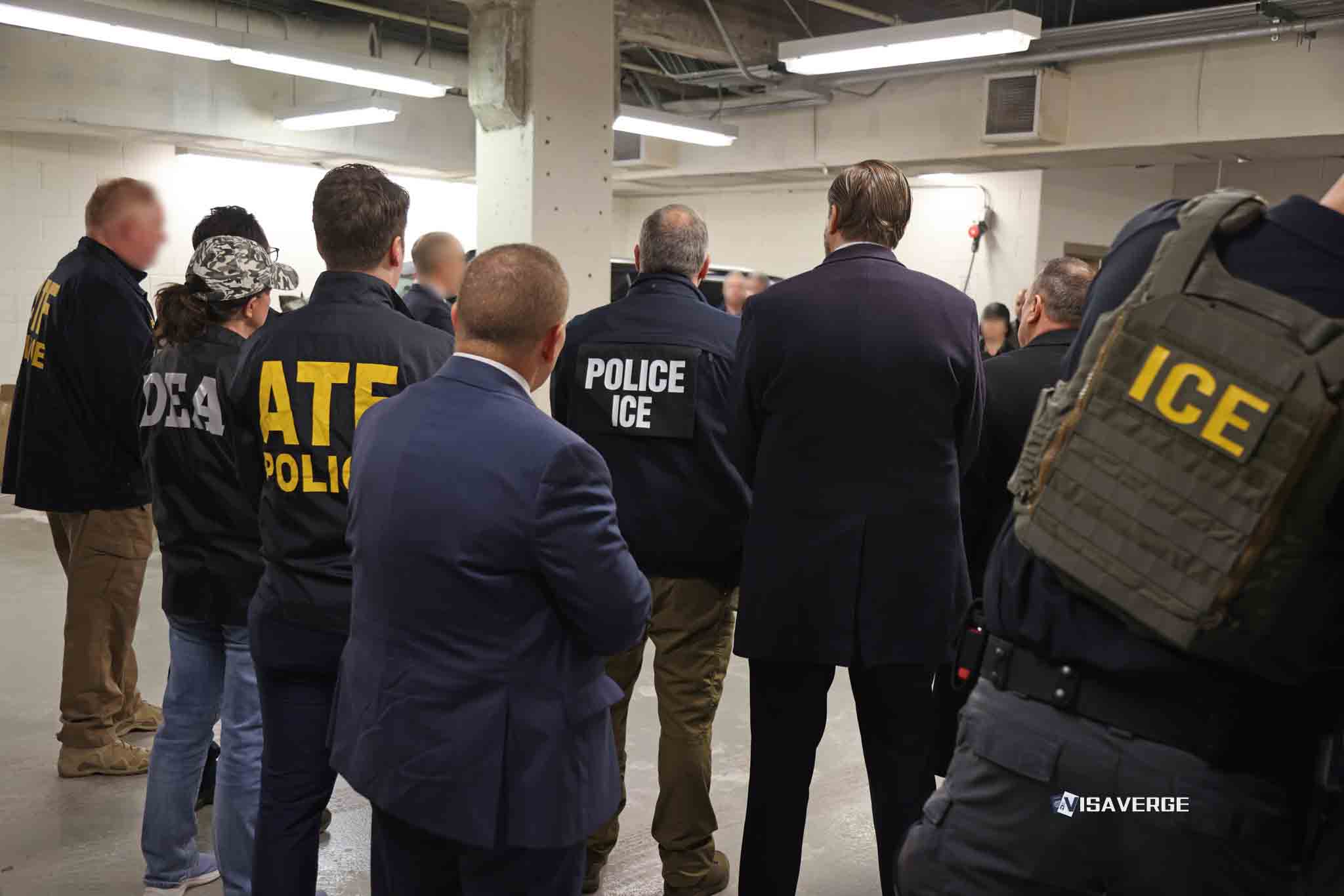
If the Trump administration accepts this offer, the ranch could become a key location for operations aimed at deporting large numbers of undocumented immigrants. Facilities to be built may include detention centers capable of housing thousands of individuals awaiting deportation. While specific plans for these facilities haven’t been finalized, it’s expected they might vary from temporary setups akin to those used by Customs and Border Protection to more permanent structures managed by Immigration and Customs Enforcement (ICE).
Trump’s Immigration Policies
President-elect Trump’s focus on immigration has been a significant part of his political platform. He has pledged to intensify policies from his first term, linking illegal immigration to various issues like drug trafficking and rising living costs. His plans to ramp up deportation efforts are poised to commence on his very first day in office, prioritizing individuals without legal documentation, especially those with criminal records.
To achieve these objectives, Trump has brought together advisors who endorse tough immigration policies. Among them is Stephen Miller, set to serve as deputy chief of staff for policy, and Tom Homan, previously acting director of ICE, now named “border czar.” Both have pointed out that the availability of large-scale detention centers near the border is crucial for facilitating these deportations.
However, the road ahead involves significant logistical challenges. Currently, ICE detains approximately 38,863 immigrants daily across the United States, a number approaching the limits set by recent federal budgets. Expanding mass deportation efforts as Trump envisions will require substantial resources and new infrastructure to manage additional detainees effectively.
Political and Legal Hurdles
While the Texas proposal indicates support from Republican-led states for stricter immigration controls, it also brings to light the deep political rifts between states with different stances on immigration. For instance, California, governed by Democrats, has reaffirmed its sanctuary policies, which limit cooperation with federal immigration enforcement.
Recently, Los Angeles declared itself a “sanctuary city,” restricting local resources from participating in federal deportation activities. Similar moves are expected in other Democrat-controlled areas, contributing to a somewhat fragmented system of immigration enforcement across the country.
Moreover, this approach faces potential legal challenges. Advocacy groups are anticipated to contest mass deportation initiatives on the grounds of constitutional rights, arguing that such measures might infringe on due process or violate international human rights agreements. These legal disputes could delay or disrupt some of the actions that Trump’s administration aims to take.
Impact on Migrants and Local Communities
The proposal for new detention facilities has sparked worries about their effects on migrants and local communities near the border. Critics point out that large, rapidly-built detention centers often suffer from overcrowding and substandard conditions. Additionally, there’s uncertainty about how undocumented people would be identified and transported to these facilities.
Starr County, in particular, is one of the poorer regions in Texas, lacking the infrastructure necessary to support any large-scale federal operations. Some locals might see increased security as beneficial, but others express concerns about possible disruptions and the impact on community life.
Financial Aspects
Building new detention centers and expanding deportation measures is expected to involve substantial expenses. The Biden administration had allocated $3.4 million in 2024 for ICE, enabling the detention of up to 41,500 individuals daily—a number that Trump’s plans could potentially surpass. Additional funds would be essential not only for construction but also for staffing, managing transport logistics, and handling legal matters related to deportations.
Details of the financial arrangement for the Starr County ranch, such as acquisition costs or developmental expenses, have not been disclosed by Texas officials. Nonetheless, Land Commissioner Buckingham argues that such spending is justified for the sake of national security.
A Path Marked by Controversy
As preparations continue for Trump’s return to the presidency in January 2025, his administration is expected to face considerable obstacles in realizing its extensive immigration plans. The proposal by Texas highlights both the possibilities and difficulties inherent in these efforts. While there is clear support from some Republican-led states, there is also a need to address complex logistical issues and robust opposition from Democratic leaders and human rights organizations.
The proposed use of the Starr County ranch is a clear indicator of how immigration policy remains a source of division within American politics—impacting not only local communities along the border but also shaping broader national debates about federal powers and state rights. Whether this initiative becomes a pivotal element in Trump’s deportation strategy or simply another point of contention in the U.S. immigration discourse remains to be seen.
As discussions evolve and policies attempt to take root, immigration is certain to continue being one of the most heated and impactful issues facing the United States. For those interested in keeping abreast of immigration policies and developments, resources like VisaVerge.com offer valuable insights and updates on these ever-evolving topics.
For official information regarding immigration procedures and policies, one can visit the U.S. Citizenship and Immigration Services website, which provides comprehensive details on various immigration forms and processes.
Learn Today
Deportations: The act of expelling a foreign national from a country, often due to illegal immigration status or criminal behavior.
Undocumented Immigrants: Individuals residing in a country without official permission, typically lacking recognized legal status or documentation.
Detention Centers: Facilities where immigrants are held, often while awaiting decisions on their immigration status or pending deportation.
Sanctuary City: A city that limits cooperation with federal immigration enforcement, often to protect undocumented immigrants from deportation.
Constitutional Rights: Legal protections granted by a country’s constitution, such as due process, which may be invoked in immigration legal challenges.
This Article in a Nutshell
Texas Offers Land for Border Enforcement: A Bold Proposal
Texas proposes a 1,400-acre ranch near the U.S.-Mexico border for deportation facilities under the incoming Trump administration. This initiative underscores escalating border security debates, highlighting intergovernmental tensions and logistical challenges. As immigration policies polarize, the plan may reshape local dynamics and national discourse on federal-state power divisions.
— By VisaVerge.com
Read more:
• Texas Hospitals to Ask About Patient Citizenship Status
• Texas Sues Biden Over Missing Citizenship Data for Voters
• Texas Lawmakers Push for Voter Citizenship Proof
• Texas Vehicle Crash: Aryan Raghunath Orampati Among Four International Students Killed
• Texas Sues Over Biden’s Green Card Program: Ken Paxton Leads Charge