President Donald Trump’s steep new tariffs on Indian goods and tougher visa rules are raising fresh alarm in Washington, as U.S. Representative Sydney Kamlager-Dove warns they could badly damage India–US relations and make Trump, in her words, “the president who lost India.” Her warning comes amid rising fear among immigrants.
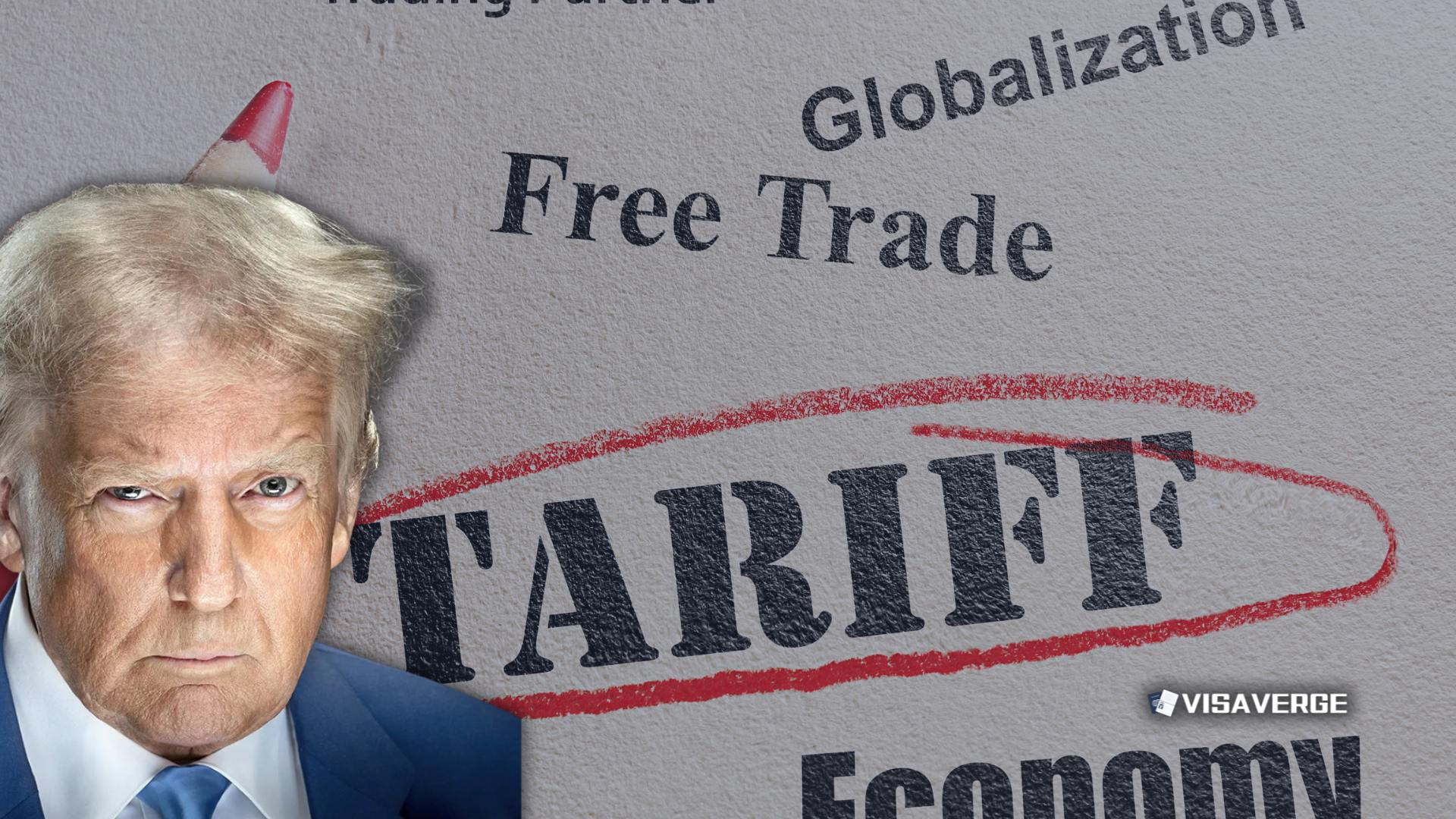
Her comments follow Trump’s move in August 2025 to impose sweeping tariffs of up to 50% on a wide range of Indian exports, from electronics to apparel and food products. Lawmakers say the trade fight is now spilling into immigration, hitting students, H-1B workers, and families across both countries today.
Tariffs near legal limits and political warnings
According to an India Today report cited by lawmakers, some U.S. tariffs on key Indian products now sit near the legal ceiling, leaving little room for quiet compromise. Representative Pramila Jayapal has warned that these steps are “damaging India and hurting America,” arguing they also risk long-term harm to migrants.
“The president who lost India” — a warning from Representative Sydney Kamlager-Dove that captures both political and personal stakes.
Direct economic and everyday impacts
The most direct shock comes through higher prices. Indian students and H-1B workers in the United States already face tight budgets, with tuition, rent, and health insurance rising each year. When tariffs push up the cost of imported phones, laptops, clothes, and familiar food, everyday life becomes even harder.
Indian-owned companies that operate in the U.S. or depend on cross-border supply chains are also squeezed. Higher import costs, driven by tariffs as high as 50%, raise expenses for employers that sponsor H-1B workers or recruit Indian graduates. Some firms are delaying expansion, which can mean fewer new roles abroad.
Key affected groups and knock-on effects
- Indian students
- Higher living costs and uncertainty about scholarship budgets.
- Stricter visa checks slowing F-1 approvals at consulates in India.
- Increased difficulty using Optional Practical Training (OPT) and STEM OPT extensions if companies become cautious about hiring foreign graduates.
- H-1B workers
- Program tightly controlled by USCIS; proposals include fee increases and tougher renewals.
- Employers face higher legal costs and more paperwork.
- Some firms may relocate projects to India or Canada instead of sponsoring U.S.-based roles.
- Employers & companies
- Higher import costs raise operating expenses.
- Delayed expansion can reduce new hiring for roles that would have gone to Indian graduates or H-1B professionals.
USCIS guidance and compliance burden
USCIS guidance for the H-1B program, posted on its official website at https://www.uscis.gov/working-in-the-united-states/temporary-workers/h-1b-specialty-occupations, already sets strict rules on wages, job duties, and work locations.
Any extra compliance burden, lawmakers warn, will fall hardest on Indian professionals whose careers depend on stable, renewable visas and on employers who sponsor their long-term stays.
Green-card backlog and diplomatic spillovers
Green-card applicants feel the diplomatic chill in a different way. For Indian workers already trapped in employment-based queues that advocacy groups say can stretch for more than 80 years, any slowdown in visa bulletin progress or consular processing is devastating.
Immigration lawyers warn strained India–US relations make it harder to win broader fixes, such as:
– Recapturing unused green cards from past years
– Raising country caps through Congress
When governments argue over tariffs, they are less likely to coordinate on long-promised relief for skilled workers stuck in limbo abroad.
Non-resident Indians (NRIs) and broader community impacts
Non-resident Indians who have spent years building lives in the United States now face a climate of rising uncertainty. Many hold temporary work visas while they wait for green cards, run businesses, or support family on both sides of the ocean. Sudden policy swings can upend those plans.
- Reports of sharper questioning at airports, especially for frequent travelers.
- Worries about potential changes to tax or remittance rules, affecting money transfers and property investment in India.
- Digital nomads face greater scrutiny; without a dedicated visa category they often travel on B-1 or B-2 visas and face detailed questioning about income and clients.
Political stakes and strategic partnerships
Lawmakers from both parties say the broader damage goes beyond border checks and paperwork. They note that India is now one of America’s most important partners in defense, technology, and global supply chains, and that students and skilled workers form the glue holding many of these ties together.
Representative Kamlager-Dove has warned that losing India as a close ally because of trade and immigration missteps would harm U.S. interests for “generations.” Her phrase echoes concerns of many in the Indian diaspora, who fear current choices could push young Indians to study, work, and build companies elsewhere.
Diplomatic efforts and ongoing uncertainty
Trade officials from both countries are trying to limit that risk. High-level delegations have resumed talks in New Delhi aimed at:
– Trimming tariffs
– Easing customs delays
– Building semiconductor and technology supply chains
U.S. officials say they want to protect exchanges that bring Indian students and researchers to American campuses.
President Trump has hinted during remarks he may reduce tariffs “at some point,” but he has not laid out a timeline or conditions. That uncertainty keeps Indian exporters, U.S. retailers, and families guessing how long higher prices will last and whether deeper rifts could spill into new visa restrictions.
Practical advice for students, families, and employers
For Indian students considering applications this year, education advisers now urge extra planning. Recommended steps include:
- Allow more time for visa interviews.
- Prepare detailed documents about funding and ties to India.
- Have backup plans in case university budgets shift or scholarship offers change.
Other recommended precautions for affected communities:
– Keep visa approval notices, pay records, and travel histories well organized.
– Monitor institutional announcements from universities and employers about hiring plans.
– Consider alternate study/work destinations (Canada, Europe) as contingencies.
Economic and hiring consequences
According to analysis by VisaVerge.com, prolonged tariff disputes often lead companies to pause hiring or move work abroad, limiting chances for new H-1B filings. Recruiters report some U.S. firms are shifting entry-level coding and analytics roles to India-based teams while waiting to see how policy changes unfold.
At the same time, large American universities that depend on tuition from international students are lobbying in Washington. They warn that souring India–US ties could cost them a vital student group, forcing budget cuts that might hit:
– Research labs
– Scholarship funds
– Academic programs
Community response and final takeaway
For many Indian families already settled in the United States, the dispute feels personal. Parents who arrived decades ago as students or engineers now watch their U.S.-born children apply to college or seek internships, unsure whether a path of study, work, and progress will remain open.
Community leaders urge those affected to stay informed and keep documents in order. While no single step can cancel the impact of tariffs or a stalled green-card file, planning can reduce shocks if rules tighten again.
The warning from Sydney Kamlager-Dove that Trump could be remembered as “the president who lost India” captures both political and personal stakes. Behind the fight over tariffs lies a deeper question: will India–US relations continue to draw students, H-1B workers, and families together, or will policy choices slowly push them apart?
Trump’s August 2025 tariffs—up to 50%—and tougher visa rules risk straining India–U.S. ties, raising prices and complicating life for Indian students, H-1B workers, NRIs, and employers. Lawmakers warn that trade conflict jeopardizes long-term cooperation and could stall fixes to green-card backlogs that already exceed decades for some Indian applicants. Universities and firms may delay hiring or expansion. High-level talks seek tariff reductions and smoother customs, but uncertainty persists, prompting contingency planning.