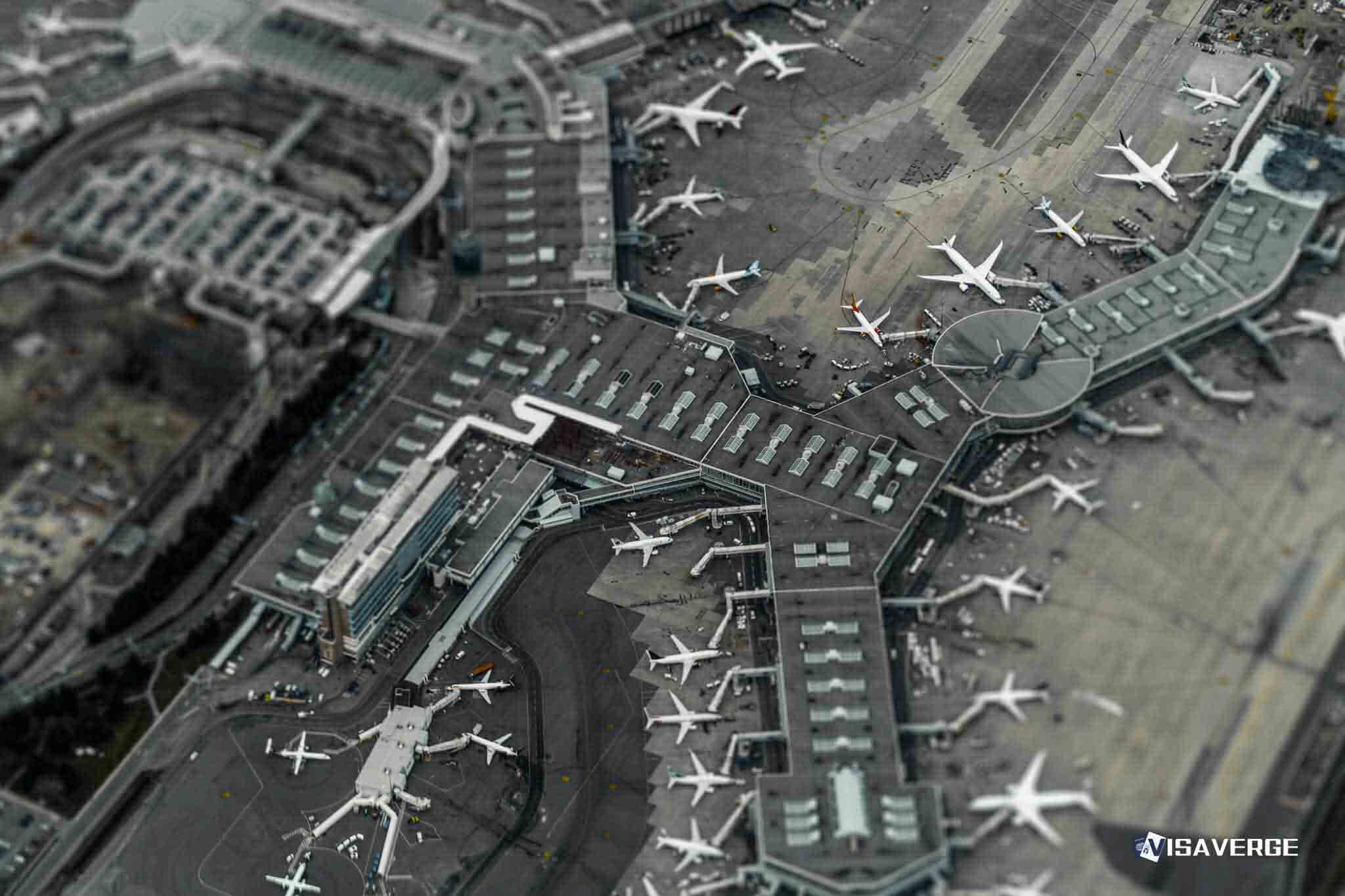
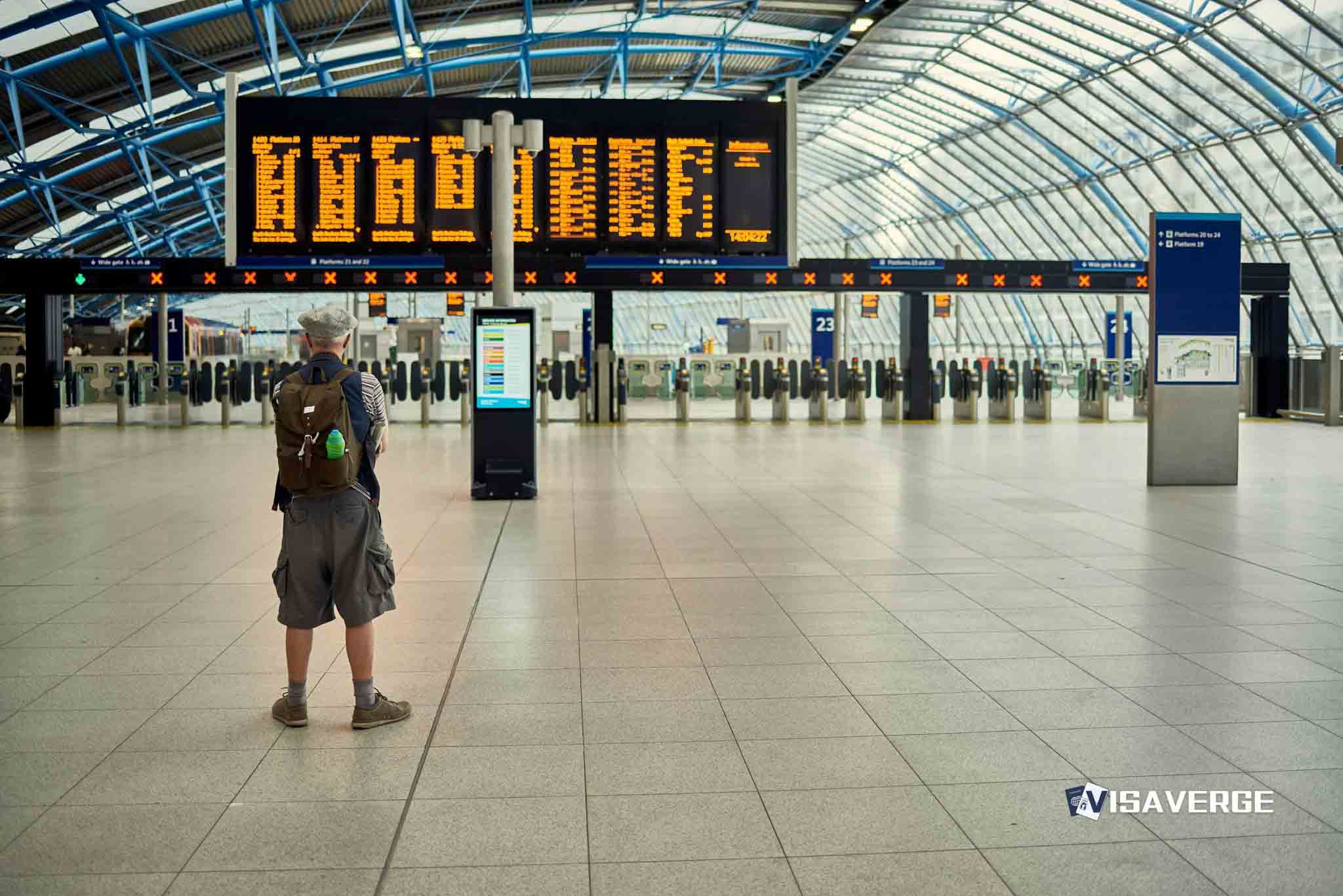
(JAPAN) A sharp diplomatic chill between China and Japan has spilled into the skies, with Chinese airlines cancelling more than 1,900 flights to Japan in December 2025, a move that aviation analysts say amounts to about 40% of all planned services for the month. The cut, widely referred to as the “Takaichi Fallout”, follows remarks by Japanese Prime Minister Sanae Takaichi on November 7, 2025, in which she suggested Japan could intervene militarily if conflict breaks out in the Taiwan Strait. Beijing’s swift response has hit tourism, business travel, and short‑term migration channels between the two Asian powers just as cross‑border trips were starting to recover after the pandemic.
Scale and industry response

Chinese state broadcaster CCTV and several aviation specialists have confirmed that the scale of the flight cancellations marks the largest coordinated reduction in air links between the two countries since COVID‑19. Major Chinese carriers have cut or suspended routes, including:
- Air China
- China Eastern
- China Southern
- Hainan Airlines
- Sichuan Airlines
- Xiamen Airlines
Some smaller airlines, such as Loong Air, have pulled out of Japan entirely, leaving many regular travelers with few options and higher prices on the remaining flights.
Immediate effects on travelers and tickets
The timing of the Takaichi Fallout is especially painful for people who depend on frequent travel between China and Japan for work, study, or family reasons. December is normally a busy period, with students returning home, families reuniting, and tourists using year‑end holidays to visit. Instead:
- Many Chinese travelers are cancelling trips or putting plans on hold.
- Chinese airlines have said they will offer free refunds and changes for tickets to Japan with travel dates before December 31, 2025.
- That refund policy does not solve the wider problem: far fewer seats are available, and many hoping to apply for short‑term visas or extend stays are reconsidering.
Government messaging and travel warnings
The Chinese government has also moved beyond airline schedules to send a political message. On November 14, 2025, China’s Ministry of Foreign Affairs and Ministry of Culture and Tourism issued a travel warning urging Chinese citizens to avoid visiting Japan because of “security risks.”
“Security risks.” — wording used in China’s travel advisory (Nov 14, 2025)
Diplomats and migration experts see this as more than a simple safety notice. They say it forms part of a pattern in which Beijing uses economic pressure—including tourism cuts and transport limits—as a tool in wider disputes. Analysis by VisaVerge.com indicates similar tactics have appeared in past tensions with other countries, often hitting tourism and short‑term labor flows long before any formal sanctions.
Economic impact on Japan’s tourism and hospitality
For Japan’s hospitality sector, which had counted on a strong winter season, the sudden loss of about 40% of December 2025 flights from mainland China is already biting.
- Hotels that once filled rooms with Chinese tour groups and repeat visitors report sharp drops in bookings.
- Industry observers say premium‑class airfares on the remaining routes have risen by 18%, putting visits further out of reach for middle‑income travelers.
- Smaller guesthouses and family‑run inns, especially in cities and regions that invested heavily in Chinese tourism after the pandemic, now face an unexpectedly “soft” holiday period.
Wider effects on migration and everyday life
The impact reaches beyond short hotel stays. Regular movement between the two countries supports a web of informal migration:
- Spouses who travel back and forth to keep binational families together
- Businesspeople who manage offices on both sides
- Would‑be students scouting universities before applying for longer study visas
With flight capacity cut so sharply, many of these people now face longer, more expensive journeys or must reroute through third countries. While no change has been announced to Japanese visa rules for Chinese nationals, the practical effect of the flight cancellations is to make lawful, short‑term entry harder and more costly in practice.
Legal, administrative, and personal consequences
Immigration lawyers in Tokyo report clients asking whether to delay moves, school starts, or work assignments in Japan until the situation becomes clearer. Key points they raise:
- Long‑term residence and work permits remain in place, but reduced air links could hamper urgent travel tied to visa interviews and document updates.
- Business trips needed to support Japanese branches may become difficult to schedule.
- Family members who planned short visits to help new arrivals settle now find tickets unavailable or far more expensive, complicating sensitive adjustment periods.
On the Chinese side, the travel warning adds another layer of pressure. Travelers must now weigh higher costs and fewer seats alongside the official message that travel might carry “security risks.” In past cases, such notices have led to tighter checks by local authorities and, at times, trouble for travel agencies selling group tours. While there has been no open ban on travel to Japan, the combined effect of political signals and airline actions is likely to push down new visa applications for tourism and short business visits in the coming months.
Government and local responses in Japan
Japanese officials face a delicate balance:
- On one side are security concerns and alliance politics tied to the Taiwan Strait.
- On the other are local economies that rely heavily on Chinese visitors and cross‑border workers.
City governments and tourism boards that spent months rebuilding links with Chinese tour operators now must explain to local businesses why new bookings have suddenly dried up again. Some analysts warn that air capacity between the two countries could finish 2025 at only about 55% of pre‑COVID levels, leaving a deep hole in regional travel and migration patterns that may not quickly recover even if relations thaw.
Outlook and longer‑term implications
Chinese authorities have reportedly instructed airlines to keep the current level of flight reductions in place through March 2026. If that guidance holds:
- Students hoping to begin courses in early 2026, seasonal workers, and people applying for new long‑term visas could struggle to find affordable ways to enter Japan in time.
- Some may apply to universities or employers in other destinations with more stable air links, such as the United States or Canada, shifting part of the human flow that usually moves between China and Japan.
Practical advice for travelers and migrants
For those still planning to travel to Japan despite the Takaichi Fallout, careful preparation is more important than ever. Lawyers and travel agents urge:
- Check airline schedules frequently — routes can change quickly.
- Monitor consular advice and government travel warnings.
- Confirm visa and entry requirements early; use official resources like the Japan Ministry of Foreign Affairs visa information page: https://www.mofa.go.jp/j_info/visit/visa/index.html
- Book well in advance where possible, and plan for higher fares and limited seat availability.
Final note
Although the dispute began with comments about possible military action in the Taiwan Strait, its most direct effects are now felt by ordinary travelers, migrant workers, and families with ties across the East China Sea. The Takaichi Fallout shows how quickly political tensions can reach airports, consulates, and living rooms, reshaping the simple act of boarding a plane.
For many who once treated the route between China and Japan as routine, the winter of December 2025 marks a sudden return to uncertainty—this time not because of a virus, but because of words and the diplomatic storm that followed.
Following Prime Minister Sanae Takaichi’s November remarks, Chinese carriers cancelled over 1,900 December 2025 flights—about 40% of schedules—while Beijing issued a travel warning. The reductions, kept through March 2026, cut tourism, business travel and short‑term migration, pushed premium fares up roughly 18%, and left many travelers facing fewer seats and higher costs. Japanese local economies and universities saw booking drops; travelers should monitor airline updates, confirm visas, and prepare for reroutes or higher prices.
Live Government Data
State Dept • CBPBusiest Border Crossings
- Otay Mesa 190 min
- Calexico 180 min
- Nogales 165 min