- The State Department codified a formal dress rule requiring business formal attire for all diplomatic and official engagements.
- Visa applicant rules for forms, fees, and interviews remain entirely unchanged despite the internal protocol shift.
- The policy reflects a shift toward stricter discipline and heightened institutional authority within U.S. embassies and consulates.
(WASHINGTON, D.C.) — The State Department has codified a new diplomatic dress rule in the Foreign Affairs Manual, requiring business formal attire for diplomats and staff in meetings or official engagements with foreign interlocutors unless otherwise specified, while leaving visa eligibility, forms, fees and interview requirements unchanged for ordinary applicants.
The rule, described as the first formal policy of its kind, also calls for a polished and professional personal appearance. For travelers seeking B-1/B-2, F-1, H-1B or immigrant visas, the immediate effect is narrower than the symbolism: application standards still rest on visa law, the Foreign Affairs Manual’s visa sections, the DS-160 process and published State Department interview guidance.

Assistant Secretary Dylan Johnson said the policy ensures diplomats “project credibility, respect, and the dignity of the nation we serve.” A State Department official said the measure responds to diplomats dressing “pretty informally” in recent years.
The change points instead to a shift in how Washington wants its overseas presence to look and act. It signals stricter protocol, discipline and more uniform presentation in U.S. diplomacy, moving away from prior flexibility under Biden-era policies.
That matters beyond clothing because embassies, consulates and official visa units are where foreign governments, international organizations and applicants encounter the United States face to face. Consular work remains a legal process, but it also operates inside a diplomatic setting shaped by hierarchy, etiquette and the image officials project abroad.
For most applicants, the practical message is that the checklist has not changed. Consular officers still decide cases based on statute, regulations, the application record, interview answers and required supporting evidence.
Applicants still need the correct form, a passport, fee payment, an appointment record where applicable, and original or certified civil documents when required. The new standard does not create a new applicant dress rule.
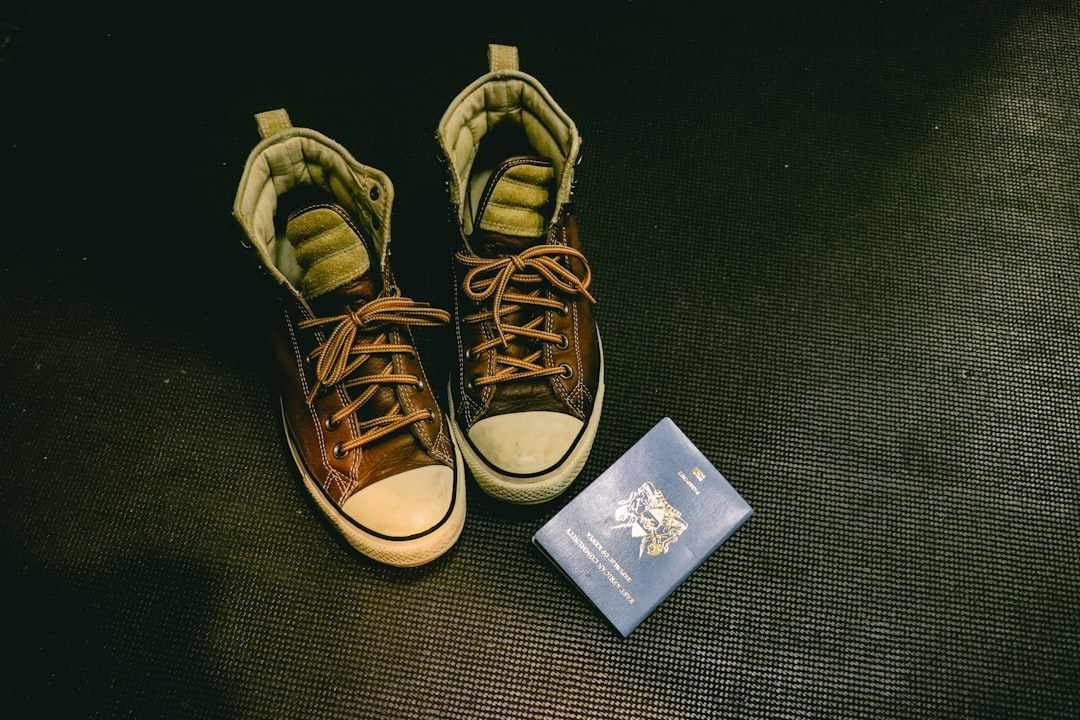
Published consular guidance continues to emphasize business casual presentation for interviews. Examples in that guidance include collared shirts with dress pants for men and blouses with knee-length skirts or pants for women, while steering applicants away from jeans, sneakers or flashy items.
That advice remains guidance rather than a formal rule for applicants. The State Department has not altered who qualifies for a visa, what documents an applicant must bring, or how an officer adjudicates a case.
Still, the new dress standard could shape how interviews feel inside a post. A more formal institutional culture can translate into more scripted public windows, sharper distinctions between routine customer service and official discretion, and greater emphasis on orderly presentation inside embassies and consulates.
For A-1, A-2 and G visa holders, the implications are closer to the department’s core mission. Those categories cover diplomats, foreign government officials, dependents and, in some cases, personal staff operating within a diplomatic ecosystem that already sits apart from ordinary tourist or business travel.
State Department guidance says A-1 and A-2 visas are for diplomats and foreign government officials traveling on official duties, with separate rules for immediate family members and A-3 personal employees. The Foreign Affairs Manual places these travelers in a distinct legal category, separate from ordinary applicants.
Embassies and consulates generally do not require interviews for A-1 and A-2 applicants, though a consular officer may request one. That framework remains in place under the new rule.
Processing rules and category-specific paperwork also remain unchanged. Dependents and certain employees continue to operate under existing rules, including separate employment-authorization pathways for qualifying dependents.
What changes is the signal sent in official interactions. If the department now formally directs its own personnel to appear in business formal attire when meeting foreign counterparts, foreign ministries and embassy teams can read that as a message that Washington wants more protocol and less informality in official settings.
That message is one of heightened formality and less tolerance for blurred lines between official and unofficial settings. In that sense, the dress rule functions less as an internal office policy than as a marker of how the U.S. diplomatic system wants to present itself.
That symbolic layer also reaches people thinking about careers in diplomacy. Recruiting materials for Foreign Service and related roles have long stressed judgment, composure, communication and cultural adaptability, and the new standard places professional presentation more squarely inside that bundle of skills.
For aspiring diplomats, including international students in the United States who hope to pursue State Department careers later, the dress rule reads as a hiring-culture clue as much as an appearance standard. It suggests the department increasingly views “professional presentation” not as an extra, but as part of representational competence.
That approach extends beyond entry-level roles. Mid- and senior-level positions now place emphasis on zealously executing policy under leadership direction, tying outward presentation to the department’s broader expectations of discipline and loyalty in carrying out policy.
The timing also fits a wider policy turn. Implemented in recent days as of early April 2026, the standard aligns with broader Trump administration efforts to standardize expectations across the workforce, including loyalty in executing policy and workforce restructuring.
Even so, the rule does not displace the documents and statutes that govern visas. Core materials remain the DS-160, the Foreign Affairs Manual’s visa sections and existing visa law.
That distinction is central for ordinary readers of VisaVerge and others following immigration policy. The dress rule concerns protocol, not eligibility.
A student applying for an F-1 visa still faces the same legal and documentary framework. A worker seeking an H-1B visa, a tourist applying for B-1/B-2 travel, and a family member pursuing an immigrant visa still move through the same forms, fees and evidence requirements.
No new filing burden has been added for those applicants. No interview requirement has been added because of the dress rule, and no fee or civil-document standard has been rewritten.
What may change is the tone surrounding those encounters. In high-volume posts, professionalism and consistency can shape public trust in the system, and a stricter visual code for staff may reinforce an atmosphere of order and official authority.
For A, G and NATO ecosystem travelers, the shift carries a different weight. Their travel already unfolds within a world of protocol, official status and government-to-government interaction, and the new standard reinforces that those categories remain distinct from ordinary visa processing.
That distinction extends to how diplomatic families and official delegations experience U.S. missions abroad. While the paperwork remains continuous, the conduct of business may feel more formal as consular and embassy staff adopt a clearer visual expression of state authority.
The department’s own protocol resources have long treated dress and etiquette as part of diplomatic practice. The new rule formalizes that expectation in the Foreign Affairs Manual, giving it sharper institutional force than informal custom or office preference.
In that sense, the policy touches immigration without changing immigration law. Visa systems are administered by people, and the department now is directing those people more explicitly to look and act like representatives of state power.
That makes the rule relevant even to people who will never hold an A-1 or G visa. Consular sections are often the most visible part of the U.S. government abroad, and the way officers present themselves can influence how applicants, foreign officials and partner institutions read the seriousness and style of American governance.
The development also offers a reminder that changes in government culture do not always arrive through new forms or statutes. Sometimes they arrive through signals embedded in protocol, etiquette and what officials are told to wear when they stand in for the United States.
For ordinary applicants, the conclusion remains straightforward: do not treat the diplomatic dress rule as a new requirement for a visa case. Business casual guidance for interviews still applies, and the legal standards governing approval remain the same.
For diplomatic and official travelers, the message is broader than wardrobe. Washington is reinforcing a formal distinction between official and unofficial settings and telling its personnel to present themselves accordingly.
For future U.S. diplomats, the rule points to a department that increasingly links appearance, judgment and discipline as part of foreign representation. For the wider immigration system, it shows how consular work is framed overseas: not only as document processing, but as one of the clearest expressions of American authority abroad.
That is why the new State Department standard matters beyond the dress code itself. As VisaVerge readers track policy shifts, the diplomatic dress rule stands as a sign that the people conducting U.S. business overseas are being asked, more explicitly than before, to embody the institution they represent.