(EVERETT, WASHINGTON) Southwest Airlines is now telling investors and employees to expect the long-waited Boeing 737 MAX 7 certification sometime in the first half of 2026, a timeline that would likely push the first regular passenger flights into late 2026 or even 2027, depending on when planes can be delivered and placed into service. The shift matters far beyond fleet planning: in the Seattle-area aerospace corridor, where Boeing’s supply chain reaches deep into immigrant communities, another year of delay can mean another year of hiring pauses, job uncertainty, and complicated immigration choices for workers tied to the program.
Airline posture and timeline changes
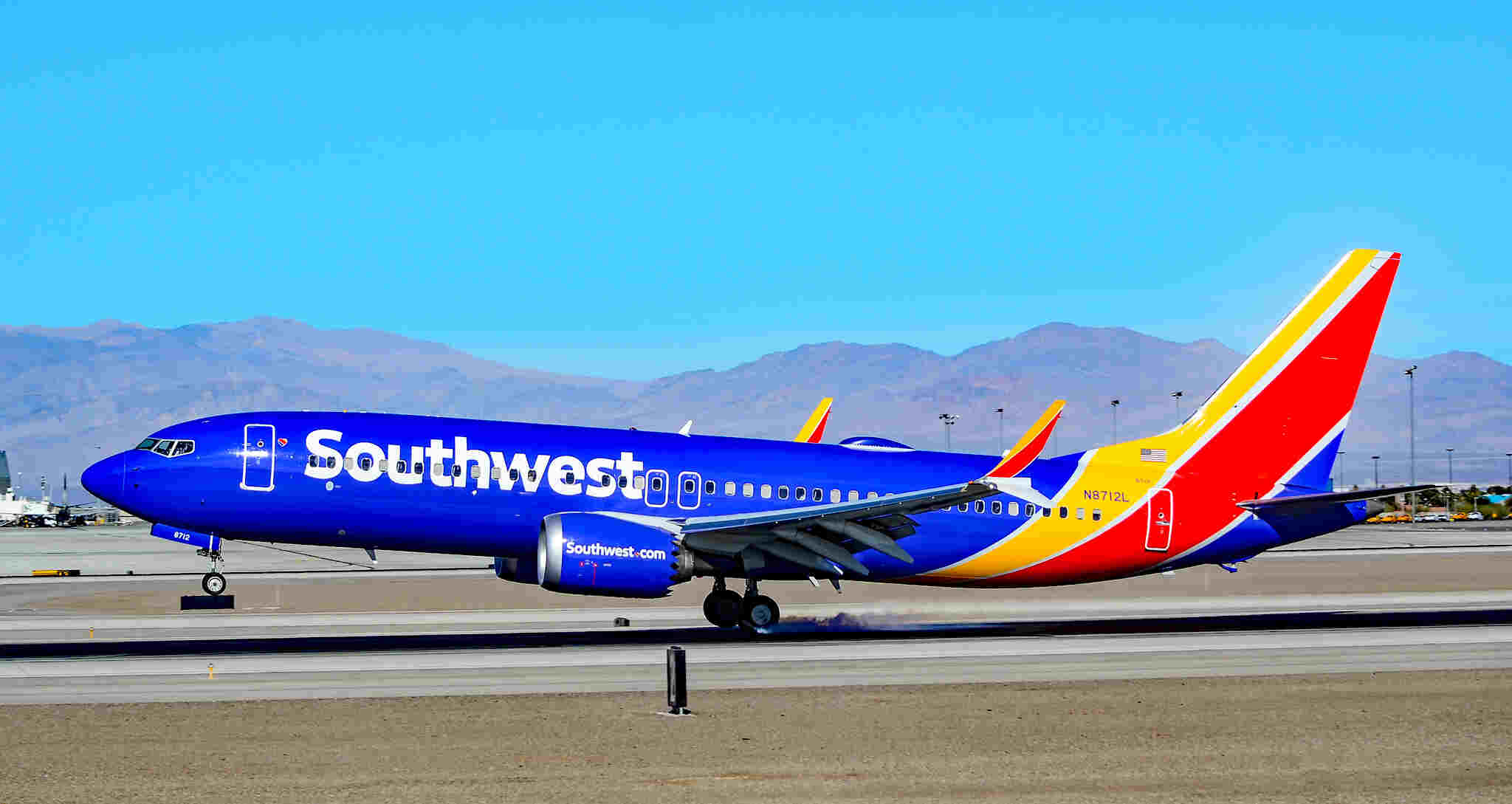
Southwest Airlines has been careful in its public positioning. The carrier:
- Removed the MAX 7 from immediate fleet planning in January 2024, while saying it remains committed to the aircraft.
- Has stated it is willing to wait for first deliveries into 2026 or 2027.
- Recently indicated certification is “maybe first half of 2026,” which contrasts with some industry chatter suggesting August 2026.
Based on the provided material, no source confirms an exact August 2026 certification month. The broader expectation is early-to-mid 2026.
Why certification matters for workers — especially immigrants
For many workers in aviation — engineers, mechanics, software specialists, and quality inspectors — the word “certification” is more than a technical milestone. It triggers production schedules, overtime decisions, and contract renewals that can directly affect visa status.
- Many high-skilled workers in the U.S. depend on continued employment to maintain legal stay.
- Program slowdowns can force difficult choices: switching jobs, changing visa status, or leaving the country to avoid non-compliance.
- Delays can create hiring pauses and uncertainty in communities where Boeing’s supply chain employs many immigrants.
Technical issue and Boeing’s response
Boeing has pointed to progress on the technical issue central to the delay:
- A key hurdle was an engine anti-ice concern flagged by the FAA, related to a potential risk to passenger safety “via airflow disruption or decompression.”
- Boeing completed a redesign of a key anti-ice system as of November 2025, which the company says resolves a major certification issue for the MAX 7 (and MAX 10).
- Even with the redesign finished, the project still depends on FAA review and sign-off. The material provided describes FAA certification for the MAX 7 and MAX 10 as broadly projected for 2026.
Expect delays to ripple through visas and job stability for immigrant workers. Proactively verify visa expiry dates, discuss extensions early, and have backup plans for contract roles if hiring slows.
Important: redesign completion does not equal certification — FAA testing, documentation review, and regulatory sign-off remain necessary.
Executive comments and industry interpretation
On a July 29, 2025 earnings call, Boeing CEO Kelly Ortberg said:
“Solutions are maturing” but they are “taking longer,” and he confirmed the timeline had pushed certification to 2026.
Industry readers have interpreted this as meaning the remaining work is less about inventing a fix and more about proving — through testing, documentation, and regulatory review — that the fix works across all required scenarios.
Impacts on workforce, visas, and local communities
When schedules slip due to regulatory review, companies often:
- Keep core teams in place but delay hiring spikes.
- Postpone long-term commitments and expansions.
Those delays disproportionately affect workers on temporary visas who may have limited ability to absorb layoffs or cuts in hours without jeopardizing status. Lawful permanent residents can also be strained, particularly if they support family abroad who are awaiting related immigration processes.
Practical consequences include:
- Delayed training calendars, route planning, and aircraft retirements at airlines like Southwest.
- Ripple effects into airport jobs and contractor ecosystems — cabin cleaning, catering logistics, and specialized maintenance — where many immigrants work.
- Personal decisions by workers about staying in aerospace, changing employers, or leaving the U.S. altogether.
- Avoidance of international travel by workers who fear re-entry complications if their job conditions change while they are abroad.
- Delays to promotions, transfers, or employment-based green card timelines when employer plans shift.
Historical context and program legacy
The MAX program carries the weight of prior crises:
- The 2018–2019 crashes killed 346 people.
- This led to a 2019–2020 global grounding and later safety reforms.
- These events reshaped regulatory scrutiny and public perception of Boeing — a reality that adds stress to local communities when production or approvals halt.
The MAX 7 first flew on March 16, 2018, but still awaits final approvals for full commercial use. That long development runway changes career planning and family decisions for workers who have built lives around the program.
Certification vs. entry into service
For clarity: “certification” means a regulator’s formal finding that an aircraft design meets required safety standards for commercial operations.
- The FAA’s role and process are explained at: (https://www.faa.gov/aircraft/certification).
- The first delivery after certification is expected, per the provided material, to go to a Boeing Business Jet customer.
- That means Southwest passengers may not see the MAX 7 in regular service immediately after FAA sign-off; airline entry into service often follows deliveries and airline readiness.
VisaVerge.com notes that gaps between regulatory approval and airline entry into service can be as consequential to workers as the certification date itself, since hiring and staffing plans often follow actual deliveries.
Key dates and milestones (summary table)
| Event | Date / Timing |
|---|---|
| MAX 7 first flight | March 16, 2018 |
| MAX program crashes | 2018–2019 (346 fatalities) |
| Global grounding | 2019–2020 |
| Southwest removed MAX 7 from immediate planning | January 2024 |
| Boeing anti-ice redesign completed | November 2025 |
| Boeing CEO confirmation of certification delay to 2026 | July 29, 2025 |
| Current public expectation for certification | First half of 2026 (broadly projected) |
| Earliest likely regular passenger flights | Late 2026 or 2027, depending on deliveries |
Takeaway
For now, the headline for immigrant workers and their employers is patience. Boeing has cleared a redesign milestone, Southwest still wants the plane, and the FAA holds the final gate. But each month the schedule slips is another month families in the aerospace community — many of them immigrants — must live with an uncertain timeline while trying to keep their jobs, legal status, and futures intact.
Boeing’s 737 MAX 7 certification is broadly projected for the first half of 2026 after a November 2025 anti-ice redesign. FAA testing, documentation review, and regulatory sign-off remain necessary, so airline service may not start until late 2026 or 2027 depending on deliveries. Southwest removed the MAX 7 from immediate planning in January 2024 but remains committed. Delays carry workforce consequences, particularly for visa-dependent employees across Boeing’s Seattle-area supply chain.
Live Government Data
State Dept • CBPBusiest Border Crossings
- Nogales 165 min
- San Ysidro 160 min
- Nogales 150 min