Key Takeaways
01
South Korea declared martial law, the first since 1987, prompting significant local and global attention and debate.
02
Martial law included suspended political activities, media control, military enforcement, and legal authority for arrests without court approval.
03
National Assembly opposed martial law swiftly; this highlights South Korea’s commitment to democratic governance despite internal political tensions.
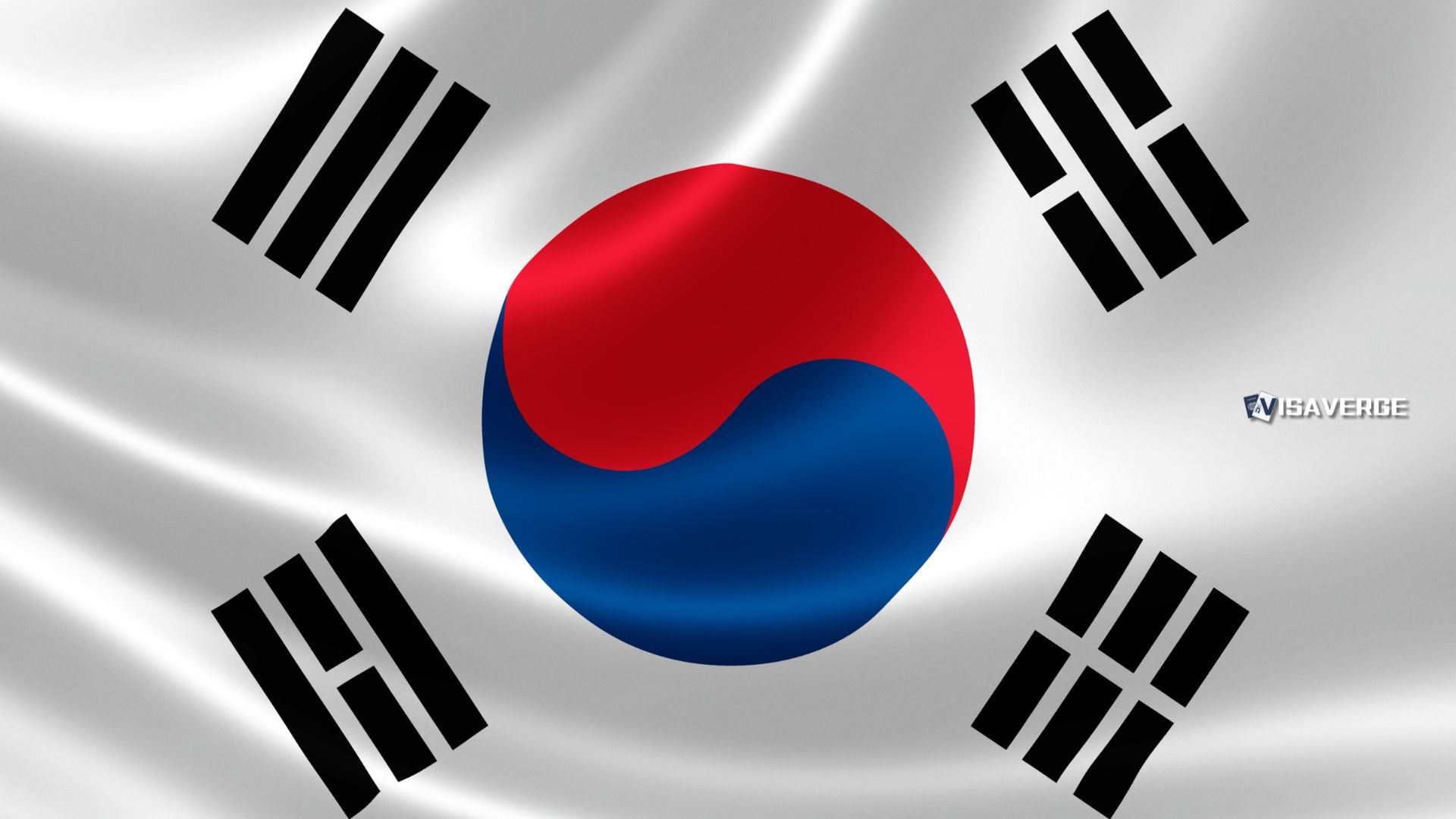
South Korea?? has recently declared martial law, a significant move that has stirred both local and international attention. President Yoon Suk Yeol’s bold action on December 3, 2024, represents the first time South Korea has experienced martial law since its transition to democracy in 1987. This dramatic decision has initiated a wave of discussions about its potential effects on the nation’s democratic landscape and its civil liberties.
Understanding Martial Law
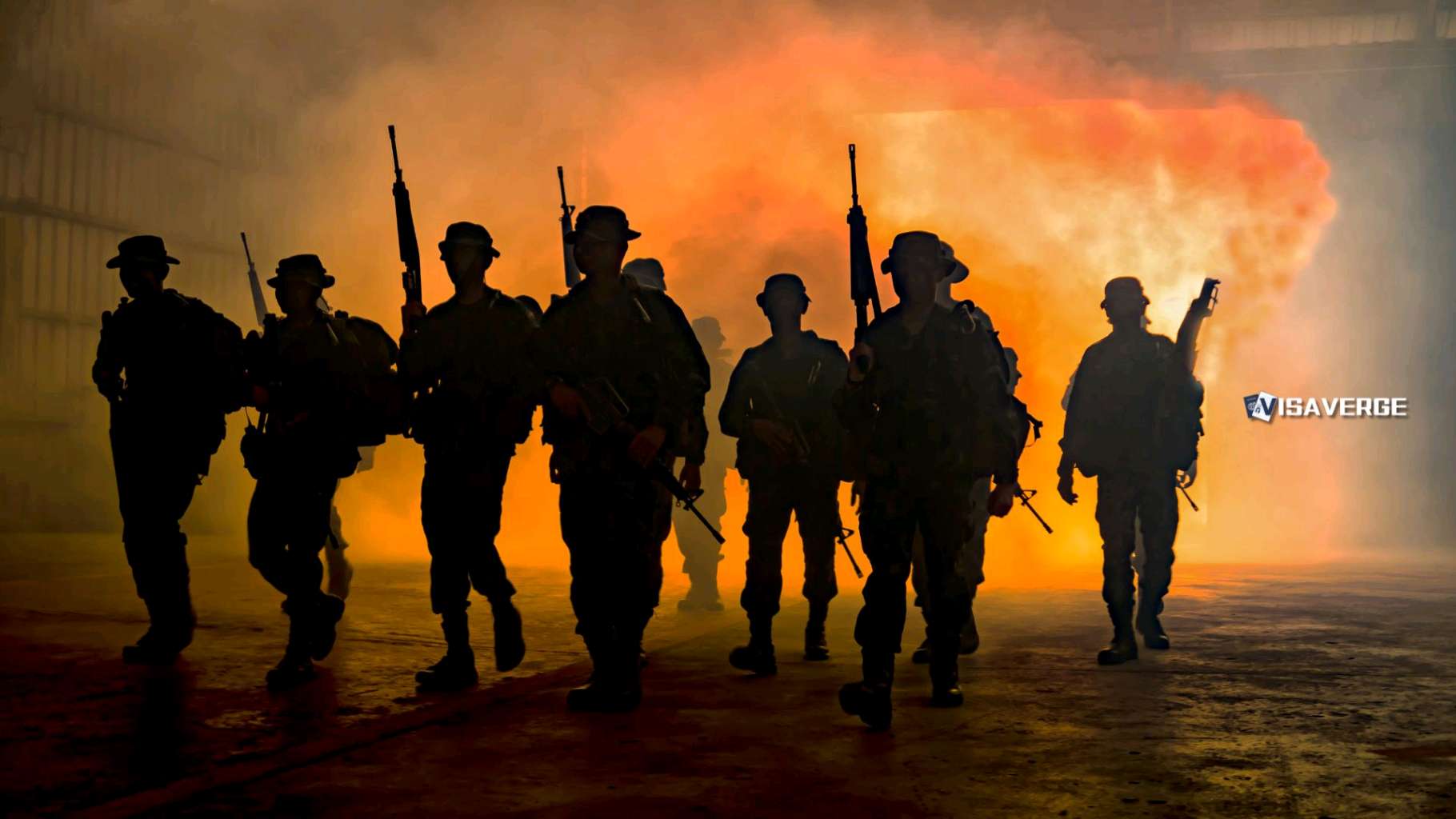
Martial law means that the military temporarily controls the government instead of civilian leaders. Normally, this happens if there is a big emergency, like a war or natural disaster. When martial law is in place, everyday rules are put aside. Soldiers take over important jobs, and regular legal rules may not apply. This can include making strict rules for the public to follow, censoring the news, and allowing soldiers to arrest people without a court order. In South Korea??, the president has the power to declare martial law when there is a big threat to national safety.
Background Leading to the Declaration
President Yoon Suk Yeol has faced a challenging political climate since taking office in 2022. His leadership has been marked by low approval ratings, with recent surveys showing only 25% public support. This has partly stemmed from personal controversies and opposition control over the National Assembly. This environment has significantly hindered his ability to push forward his agenda.
In a televised announcement, President Yoon claimed North Korea and sympathizers within South Korea’s opposition were significant threats. He argued they were disrupting government operations and needed to be stopped to maintain peace. This decision came amid political battles, including budget disputes where the opposition slashed funding for national defense and discussions to impeach top government officials, all of which added to the tension and led to the declaration of martial law.
Provisions of the Martial Law Decree
Several strict measures were implemented under the martial law decree:
- Suspension of Political Activities: All political gatherings were stopped. This means that the National Assembly and political parties cannot have meetings or discussions. This has silenced many opposing voices, limiting democratic processes.
- Media Control: News outlets were placed under military control, leading to censorship. This has raised concerns about freedom of speech and the public’s right to be informed.
- Military Enforcement: Soldiers were stationed in key areas, including the National Assembly building in Seoul, to maintain order and enforce the martial law measures.
- Legal Authority: The military was given the power to arrest people without needing court approval, which worries many about possible human rights violations.
Immediate Impacts and Reactions
The move to enforce martial law met with strong resistance both domestically and internationally. In South Korea??, opposition leader Lee Jae-myung called it “illegal and unconstitutional.” Criticism also came from Yoon’s own People Power Party, with members like Han Dong-hoon challenging the strategy. This internal conflict suggests growing disputes within the party itself regarding President Yoon’s leadership style and methods.
Interestingly, the National Assembly quickly acted to challenge the martial law, showcasing South Korea’s commitment to democratic governance. They convened an emergency meeting and voted to lift the martial law, highlighting the resilience of legislative authority in holding executive actions in check.
Public and Economic Reactions
The public’s reaction was tumultuous, with citizens taking to the streets in protest. Images circulated of confrontations between demonstrators and military forces, reiterating the tensions between the government and its people. There was widespread fear about losing democratic freedoms that have been hard-fought since the country’s democratic transition in 1987.
Economic markets weren’t immune to the turmoil either. The South Korean?? stock market saw declines as confidence wavered due to the political unrest. Notably, the iShares MSCI South Korea ETF fell by 2.8%, echoing investor anxiety over instability.
International Response
Globally, South Korea’s martial law declaration did not go unnoticed. Many countries stressed the importance of returning to democratic norms. Global observers, such as the U.S. National Security Council, stated they would be closely watching developments, emphasizing the need for dialogue and peaceful resolution.
The international community underscored the significance of maintaining democratic processes. When the National Assembly moved to lift martial law, it was seen as a positive reinforcement of democratic values and received international commendation.
Legal Framework and Historical Context
Under South Korea’s?? constitution, the president has the power to declare martial law in emergency situations. But it’s essential that such declarations receive oversight from the National Assembly, which can revoke martial law if deemed necessary. This check-and-balance system safeguards against executive overreach, protecting democratic interests.
Looking back, South Korea’s history has seen martial law used during political upheavals. The Gwangju Uprising in 1980 is a significant instance where martial law was applied nationwide, resulting in tragic civilian casualties. These past events serve as somber reminders of the potential for martial law to disrupt civil liberties and the importance of preserving constitutional rights.
Conclusion: The Path Forward for South Korea
As South Korea?? stands at this critical crossroads, President Yoon Suk Yeol’s martial law declaration has reignited debates on the balance between national security and civil liberties. While facing internal and external pressures, the president’s approach highlights ongoing tensions within the country’s political landscape.
The swift response from the National Assembly to counteract martial law represents a robust reminder of the power of democratic institutions in South Korea??. It reflects a deep commitment to upholding constitutional governance, even amidst escalating political tensions.
Moving forward, it is crucial for South Korea’s leaders, including President Yoon, to engage in dialogue with the opposition and the public. Staying committed to open communication and collaboration will be vital in navigating these turbulent times. It is important for both sides to focus on the country’s well-being and find solutions that balance safety with freedom.
For further understanding of the martial law declaration process in South Korea??, refer to the official South Korean government website for factual and up-to-date information here.
The current situation not only defines the immediate trajectory of South Korea?? but also underscores how democratic institutions cope and adapt to significant challenges. With careful negotiation and dedication to democratic ideals, there is hope for a path forward that secures both the nation’s integrity and its people’s freedoms, thus setting a lasting precedent for future governance.
Learn Today
Martial Law: Temporary military control over a government, suspending ordinary law, often enacted during emergencies.
Civil Liberties: Rights and freedoms protecting individuals from government overreach, essential in a democratic society.
Censorship: Suppressing or controlling information and expression, typically by governmental bodies, to limit access to news or ideas.
Constitutional Governance: System where government power is defined and limited by a constitution, ensuring rule by law and democratic processes.
Gwangju Uprising: Historical 1980 South Korean protest against military rule, significant for civilian casualties and martial law imposition.
This Article in a Nutshell
South Korea’s December 3rd declaration of martial law by President Yoon Suk Yeol stunned the world. This marks the first such declaration since 1987, raising fears over democratic erosion. Amid military enforcement, media censorship, and public protests, South Korea’s commitment to democracy is tested. Could this challenge strengthen or weaken democratic institutions?
— By VisaVerge.com
Read more:
• Yoon Suk Yeol Declares Martial Law in South Korea
• South Korea Student Visa Overstay Solutions
• South Korea Visa: Policy, Application, Requirements & Types
• South Koreans Can Travel These 148 countries visa-free
• South Korea Visa Photo Guidelines and Requirements