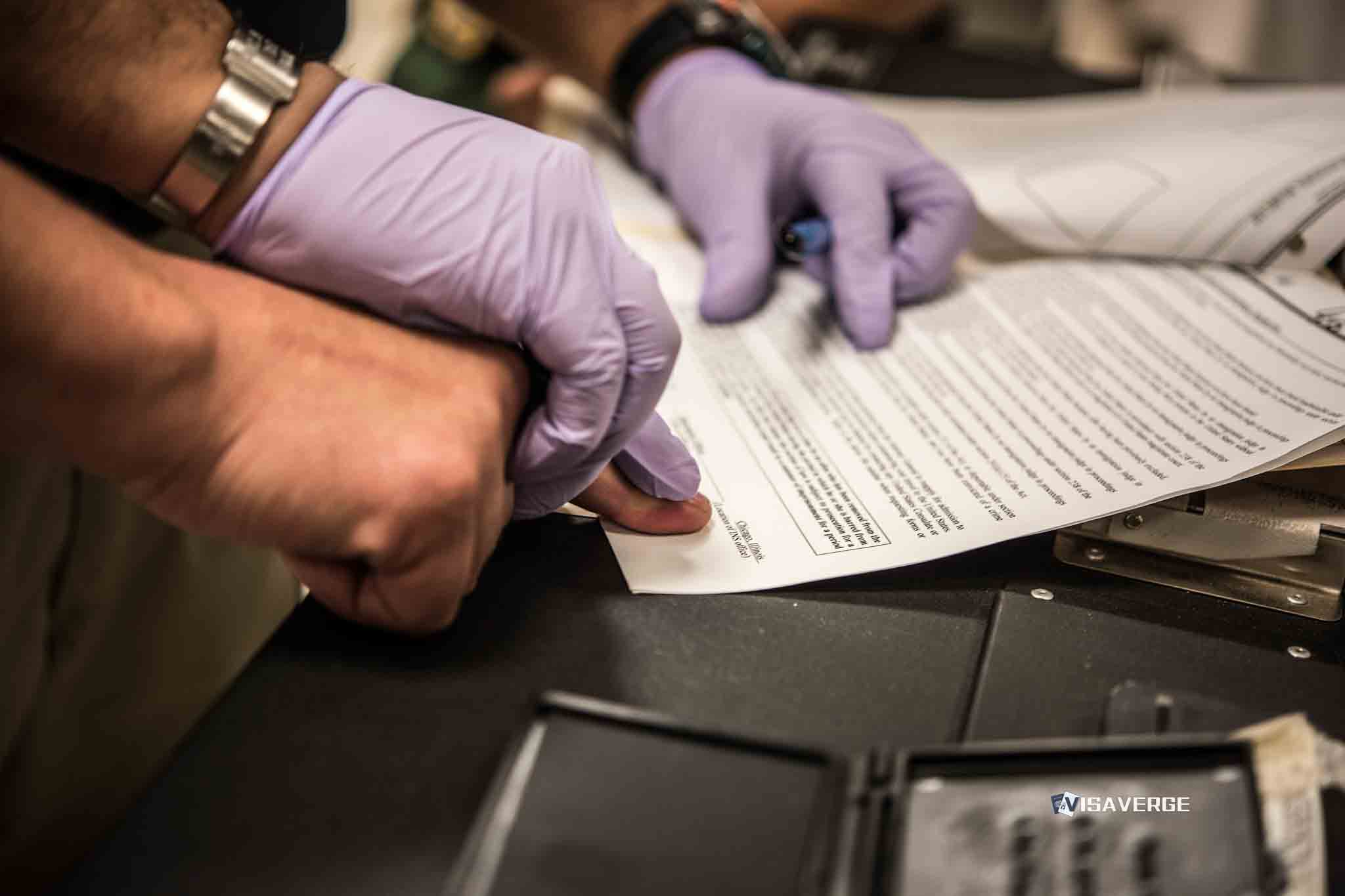
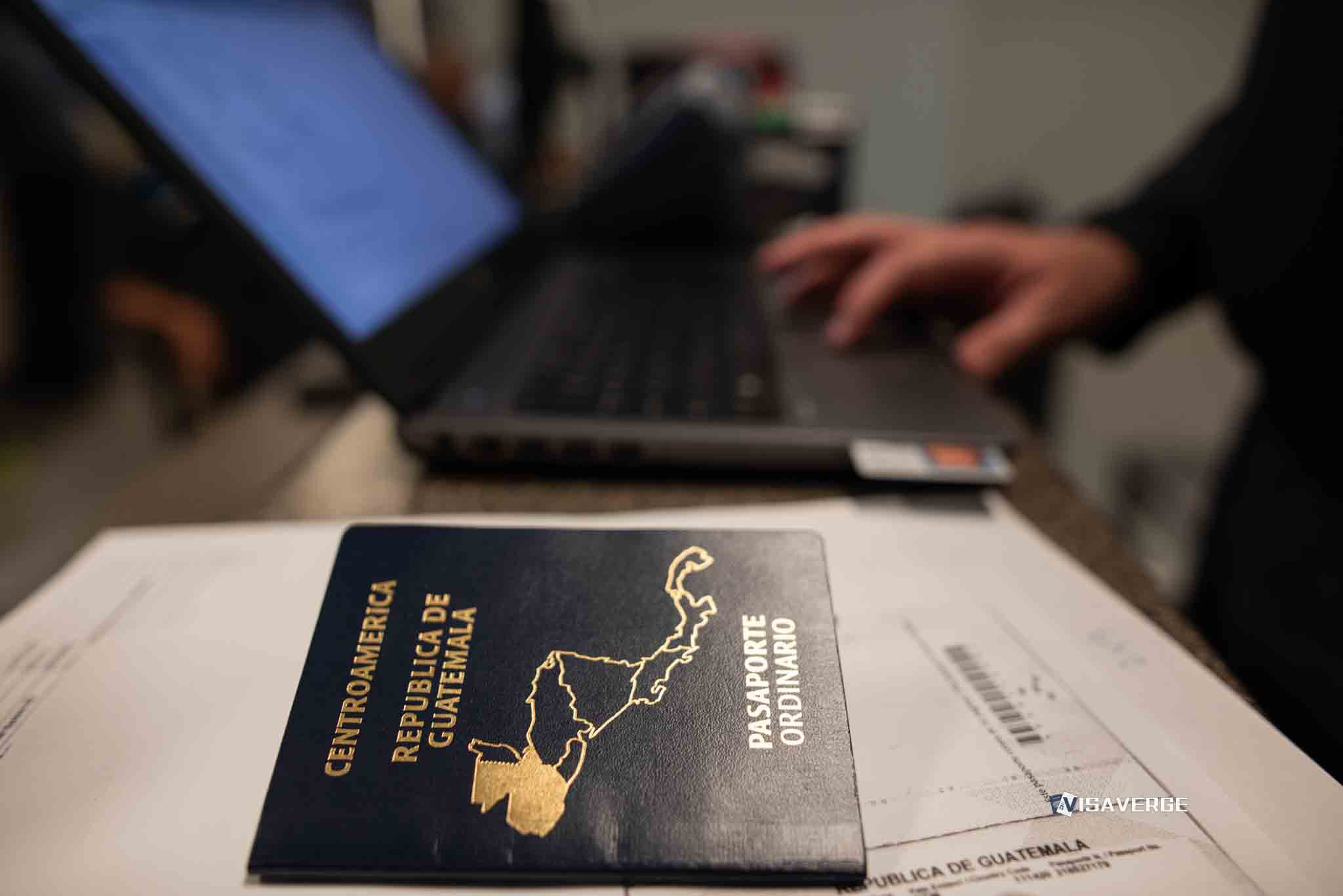
(UNITED STATES) Asylum-seekers in the United States 🇺🇸 are falling into a widening gap between a swelling immigration court backlog and a shrinking supply of immigration lawyers, a squeeze that advocates say is now being exploited daily by scammers on social media. Immigration courts are carrying more than 3.5 million pending cases, according to data from the Transactional Records Access Clearinghouse at Syracuse University, and only about 30% of people in proceedings have a lawyer, down from 65% five years ago. The result is a rush for help in a system where the government does not appoint counsel for those who can’t pay, even though everyone has the right to hire one. For families, the search starts online, where a message can turn costly.
Backlog growth and its effects
That backlog has grown for more than a decade, rising from about 300,000 cases in 2012 to over 3.5 million today, TRAC reported. Record arrivals at the southern border pushed more people into removal proceedings and asylum hearings, and court dockets have filled faster than judges can decide cases.
Many applicants now wait years for their day in court, giving them more time to make mistakes or miss deadlines. Lawyers say the delay also makes it harder to gather proof for an asylum claim because:
- Documents get lost
- Witnesses move
- Memories fade
In 2025, stricter asylum standards and stepped-up enforcement added pressure to people already living in legal limbo. Against that backdrop, small legal clinics report waiting lists that close within hours.
| India | China | ROW | |
|---|---|---|---|
| EB-1 | Apr 01, 2023 ▲31d | Apr 01, 2023 ▲31d | Current |
| EB-2 | Jul 15, 2014 ▲303d | Sep 01, 2021 | Current |
| EB-3 | Nov 15, 2013 | Jun 15, 2021 ▲45d | Jun 01, 2024 ▲244d |
| F-1 | May 01, 2017 ▲174d | May 01, 2017 ▲174d | May 01, 2017 ▲174d |
| F-2A | Feb 01, 2024 | Feb 01, 2024 | Feb 01, 2024 |
Why representation matters
Representation can be the difference between safety and a deportation order. Studies cited by advocates show that about two-thirds of immigrants with counsel avoid deportation orders, including by winning asylum, while success rates are far lower for people who face the judge alone.
- Amy R. Grenier, policy and practice counsel at the American Immigration Lawyers Association, said the shortage of immigration lawyers “has gotten worse recently,” with demand climbing in cities far from the border as new arrivals disperse.
- Christopher Ross, vice president of Migration and Refugee Resettlement Services at Catholic Charities USA, said the chances of winning asylum “increase exponentially” when an applicant has a lawyer who can prepare the case.
Yet for asylum-seekers, the cost is often out of reach, and time is short.
Scams exploiting the gap
That desperation has created fertile ground for fraudsters who pose as attorneys, immigration consultants, or even judges. They often reach victims through Facebook, WhatsApp, or TikTok.
Scams reported by advocates include:
- Forged court papers and fake receipts
- Staged “hearings” over video calls designed to scare people into paying more
- Temporary offices that accept cash then vanish
- Demands for payment in gift cards or cryptocurrency, which are hard to trace
Common red flags:
- Promises of a guaranteed approval
- Unrealistically low fees
- Pressure to pay immediately
- Sudden threats that deportation is “imminent” unless money is sent
In many states, only licensed attorneys or approved representatives may provide legal advice. On social media, those lines blur—and many newcomers don’t know the rules.
Important: In many states only licensed attorneys or approved representatives may provide legal advice. If someone cold-contacts you on social media and guarantees a result or demands payment in gift cards/crypto, treat that as a warning sign.
A cautionary example — New York City Council hearing (April 17, 2025)
At a hearing on April 17, 2025, a case involving an asylum-seeker identified as Christian was presented as a warning. Christian paid $1,750 after being contacted on Facebook by someone claiming to be a lawyer. The person sent notices that looked official but included grammatical errors and sections in a language Christian could not read.
The scheme escalated:
- A Google Meet session was presented as a court hearing, complete with a person in a robe acting as a judge.
- After the staged hearing, the “judge” demanded $5,000 immediately, or $25,000 later, to keep the case alive.
- Christian was told payment had to be sent fast, or delay would trigger removal.
The scheme might have succeeded if a law student had not flagged the paperwork as odd and brought it to the Legal Aid Society, where attorney Deborah Lee stepped in. Lee later described the documents as forgeries, and advocates said the staged video call matched other recent reports.
How legitimate legal help differs
People who have just crossed the border often change addresses, don’t know the court’s schedule, and are terrified of missing a hearing—making them easy targets for confident impostors. Legitimate immigration lawyers report spending unpaid hours cleaning up scam damage by:
- Verifying whether a real case was filed
- Seeking official copies of notices
- Trying to reopen cases lost to no-shows after scams derail them
Service providers stress these hallmarks of real legal aid:
- Do not cold-contact clients on social media
- Do not guarantee a result
- Do not ask for payment through gift cards or cryptocurrency
- Will share a bar number on request
If a “lawyer” refuses to share a bar number, that’s another warning.
How to verify help and report scams
Advocates urge people to slow down and verify help before sending money or personal papers. Recommended steps:
- Check the state bar association to confirm a lawyer’s name and bar number.
- For non-lawyer help, consult the federal Executive Office for Immigration Review (EOIR) list of recognized organizations and accredited representatives:
- Phone: (703) 305-0470
- EOIR roster: https://www.justice.gov/eoir/recognized-organizations-and-accredited-representatives-roster-state-and-city
- Look for these warning signs before paying or sharing documents:
- Cold contact via social media
- Guarantees or promises of a specific result
- Requests for payment via gift cards or cryptocurrency
- Refusal to provide a bar number or written contract
Nonprofits such as ASAP say victims can report fake providers and warn others. ASAP asks people who see suspicious accounts to report them to [email protected].
Capacity constraints and shifting demand
Groups that serve newcomers say the sheer volume of need has outpaced grants and staffing. Examples and challenges:
- The Legal Aid Society in New York is handling many scam cases.
- The Asylum Seeker Advocacy Project (ASAP) and Catholic Charities affiliates help match families with counsel, but capacity changes week to week.
- Buses and flights bringing new arrivals to large cities can overload already crowded legal clinics.
Many asylum-seekers can’t pay private rates but still must file papers and prepare for hearings. Service providers say that gap is where scammers set their hooks. Once money is gone, victims rarely get it back.
Recent policy changes and continuing uncertainty
The risks have grown as delays spread beyond the courtroom. On November 28, 2025, the Trump administration paused all USCIS asylum decisions worldwide amid a 1.4 million asylum backlog at the agency, canceling interviews and leaving applicants in uncertainty. For people with pending claims, that pause can mean months without a work permit renewal decision or a clear next step, while rumors circulate in online communities.
Advocates say scammers thrive during these pauses, offering shortcuts or claiming they can “restart” a case for a fee. Past policies that moved detainees between facilities or cut funding for legal programs also limited access to counsel, they said, even as representation rates climbed earlier in the decade before dropping again.
Impacts on courts and practical advice
For immigration judges, the flood of unrepresented cases can slow hearings because judges must explain basic rights and procedures on the record. Lawyers say that extra time feeds the same backlog that caused the problem.
For families, the stakes are personal:
- A missed hearing can trigger an in-absentia deportation order
- A bad filing can make a strong asylum story look weak
According to analysis by VisaVerge.com, the sharp fall in representation is likely to keep driving both delays and fraud unless funding for legal services grows and enforcement agencies invest more in public warnings.
Practical advice advocates offer to asylum-seekers:
- Keep copies of every receipt and notice
- Insist on written contracts
- Ask direct questions about credentials before sharing passports or sending money
- Verify lawyer credentials through state bar associations
- Confirm accredited representatives through EOIR (see contact above)
Key takeaway: Verify before you trust — check bar numbers, use EOIR’s roster, and be wary of social-media contacts who demand immediate payment or promise guaranteed results.
A swelling immigration court backlog—now over 3.5 million cases—coincides with a falling supply of immigration lawyers, leaving only about 30% of asylum-seekers represented. Scammers exploit this gap via social media, offering fake counsel, forged documents, staged hearings, and demanding untraceable payments. Advocates and legal groups urge verification through state bar registries and the EOIR roster, caution against cold contacts and gift-card or crypto payments, and recommend nonprofits and increased funding to close the representation gap.