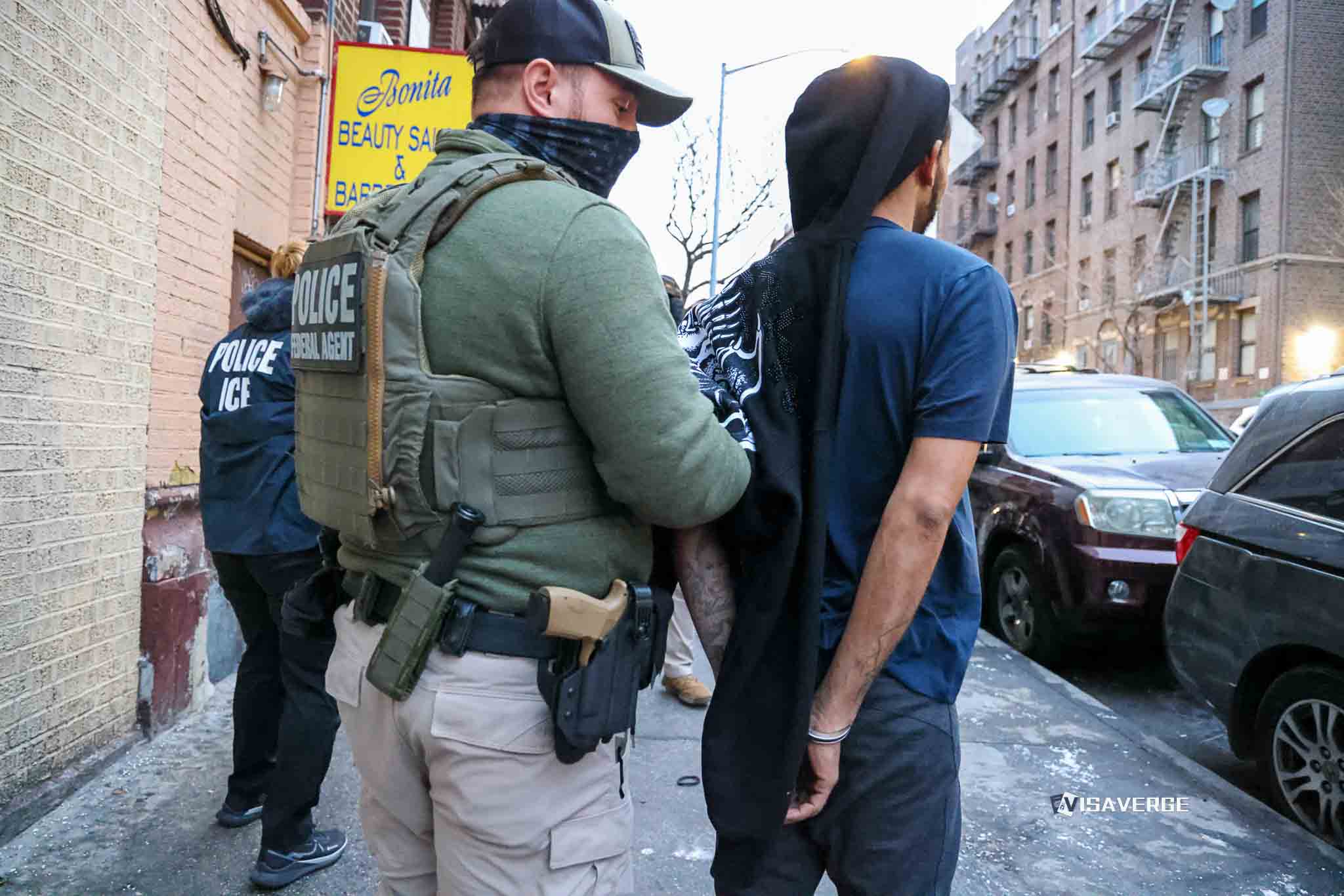
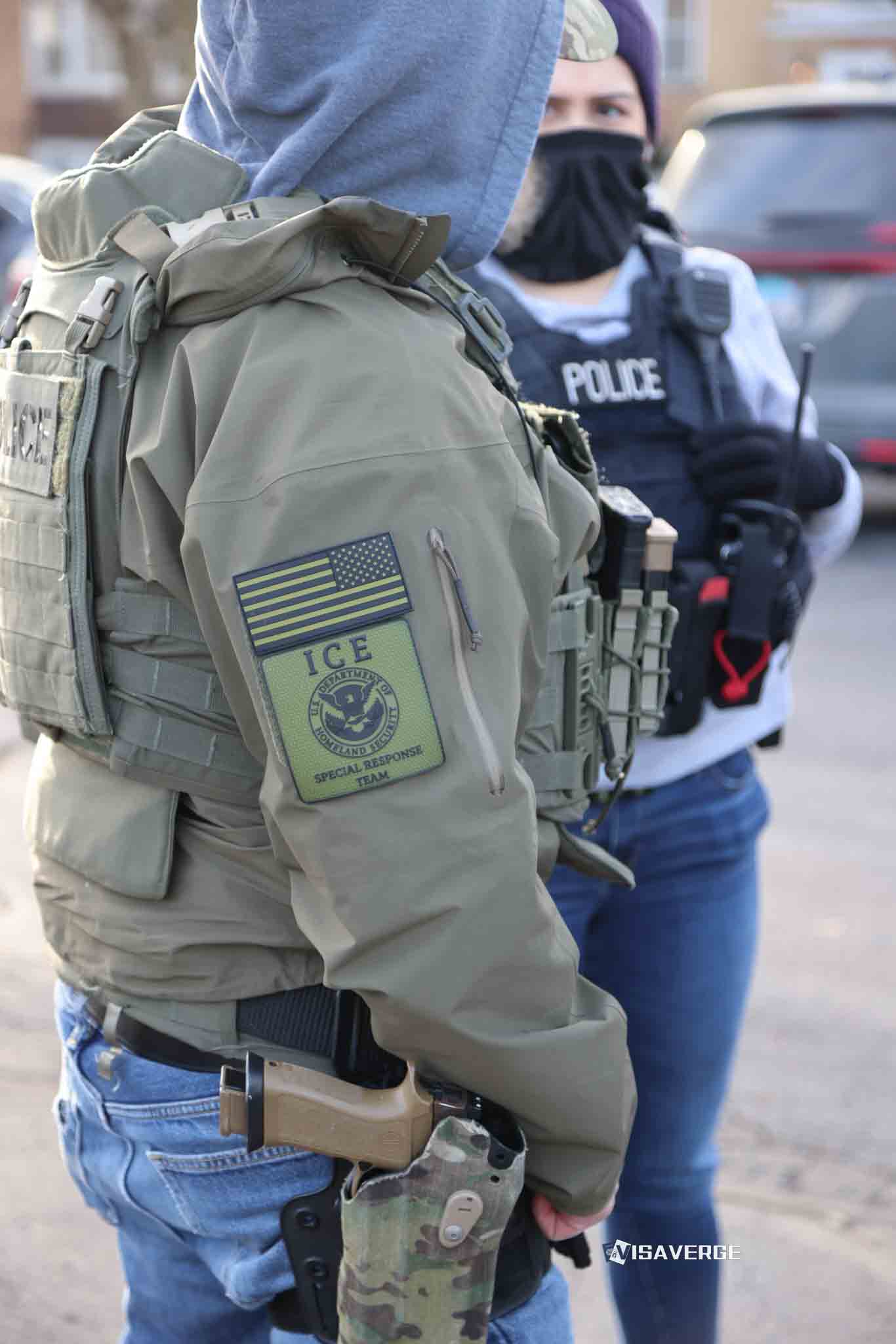
(NEW ORLEANS, LOUISIANA) Shops and sidewalks in some of the busiest Latino corridors of New Orleans have emptied out in a matter of days, as a large federal immigration operation known as Operation Catahoula Crunch moves through southeast Louisiana. The crackdown, led by U.S. Immigration and Customs Enforcement (ICE) under the Department of Homeland Security, has brought more than 250 federal agents into the region with an internal goal of around 5,000 arrests over a two-month period, according to planning documents. The sweep centers on the New Orleans metro area and stretches into parts of Mississippi, reshaping daily life for immigrant families and small businesses.
Immediate effects on neighborhoods and businesses

In Hispanic neighborhoods that usually stay busy late into the evening, the shift has been sudden and stark. Many Hispanic-owned businesses that depend on local immigrant customers now sit nearly empty during hours that used to be crowded.
In Kenner and other parts of Jefferson Parish, small restaurants that once hosted family birthday dinners, grocery stores that carried familiar products from Central and South America, and neighborhood shops that served as informal community hubs all report dramatic drops in customers. Owners describe the same pattern: full dining rooms and steady sales just weeks ago, followed by silence and rows of unused chairs.
Free toolUSCIS Receipt Number DecoderSome business owners have decided they cannot risk staying open at all while Operation Catahoula Crunch is under way. They have locked their doors, pulled down metal shutters, or posted hand-written signs explaining they are “closed until further notice.” Others try to keep serving loyal clients but do so with skeleton staff and shortened hours, watching the door each time it opens. Regulars who do come in often rush through their shopping or meals, glancing outside for unmarked cars and plainclothes officers they now fear might be nearby.
Reports of enforcement in everyday places
Reports from workers and families describe immigration enforcement actions reaching deep into ordinary routines. People in multiple neighborhoods say they have seen agents at workplaces, waiting outside home-improvement stores such as Home Depot, and near schools and routine immigration check-in locations.
Some mention seeing unmarked vehicles they believe are tied to ICE and officers in plain clothes they no longer trust as just strangers on the street. Whether every sighting is accurate or not, the result is the same: parents keeping children home, workers skipping shifts, and many residents avoiding public spaces whenever they can.
Widespread business concern and economic impact
The Louisiana Hispanic Chamber of Commerce says the impact reaches far beyond a handful of shops in New Orleans. The group reports that about 60% of its nearly 900 member businesses across the state have expressed serious concern about Operation Catahoula Crunch.
Many of those businesses are now scaling back services, limiting schedules, or closing at least temporarily as they wait to see how aggressive the sweeps become. Chamber staff say they are hearing daily from owners who worry that one encounter with agents could break apart their families or wipe out years of slow, careful business growth.
Snapshot: How businesses are responding
- Locked doors, pulled metal shutters
- Posted signs: “closed until further notice”
- Operate with skeleton staff and reduced hours
- Postpone community events or move them indoors
Community guidance and family-level strategies
In community meetings and informal gatherings, local leaders share simple, defensive advice:
– Carry identification at all times
– Avoid driving if undocumented
– Stay close to home when possible
– Share information quickly when someone spots enforcement activity
Join local legal aid clinics and know-your-rights workshops; save hotline numbers; share information with trusted neighbors in your preferred language to help families navigate potential raids.
Trusted messengers pass along details in Spanish and other languages about what to do if ICE knocks at the door, how to stay silent, and how to ask for a lawyer. According to analysis by VisaVerge.com, many mixed-status families—where some members have legal status and others do not—watch these developments with special anxiety because a single raid can divide a household overnight.
Public reaction and official responses
At a recent New Orleans City Council meeting, anger and fear over Operation Catahoula Crunch spilled into public view. Local officials and immigrant advocates sharply criticized the operation, arguing that it reaches far beyond the narrow group of people federal officials often describe.
While federal agencies say such actions focus on “the worst of the worst,” council members and legal workers insisted that parents with long ties to the city and workers with no serious criminal history are being swept up. They warned that the operation, advertised as targeting public safety threats, is instead shaking entire neighborhoods.
“Our neighbors, our friends, our family members,” Homero López, legal director at Immigration Services and Legal Advocacy (ISLA) in New Orleans, said, describing broad sweeps and racial profiling. He said the operation is pulling those people out of the community.
For many residents, that phrase captures the heart of their fear: that people they greet each day at school pick-up, at Sunday church services, and in line at the supermarket could suddenly disappear without a chance to say goodbye or to find legal help in time.
Social and cultural fallout
The economic and social fallout appears everywhere once-bustling areas have turned still. Long strips of shops now show dark windows in the middle of the day. Outdoor plazas that once echoed with music, children playing, and street vendors now sit quiet.
Community events are postponed or moved indoors, if they happen at all. Past fears of immigration raids have often pushed people into the shadows, but residents say the scope and clear planning of Operation Catahoula Crunch make this moment feel even more intense. Every new story of an arrest, whether confirmed or repeated secondhand, spreads quickly through text chains and messaging apps, reinforcing the sense of risk.
Community response: aid, legal help, and organizing
Against this backdrop, community organizers, church groups, and legal workers are racing to offer support. They are setting up legal aid clinics, holding know-your-rights workshops, and organizing mutual aid networks so that families who lose a breadwinner to detention can still pay rent and buy food.
ISLA and similar groups focus on explaining basic rights during encounters with ICE, while volunteer networks collect donations of groceries, diapers, and cash for families now too scared to work. Trusted local media and social media pages share hotline numbers and remind people not to open doors without a warrant.
Official information and the personal dilemma
Federal officials have not publicly detailed day-to-day tactics of Operation Catahoula Crunch, but ICE describes its broader enforcement role on its official website at U.S. Immigration and Customs Enforcement. For many people in the New Orleans area, those national descriptions feel distant from the sudden changes in their own streets and workplaces.
They say the choice they now face is harsh and simple: stay inside and lose income, or go out and risk an encounter that could change their lives. As the operation continues, the empty chairs in small dining rooms and the shuttered doors of once-busy Hispanic-owned businesses show how deeply that choice is already reshaping this corner of Louisiana.
Operation Catahoula Crunch, a large ICE enforcement sweep in southeast Louisiana, deployed over 250 agents with internal plans aiming for around 5,000 arrests in two months. The crackdown has emptied Latino commercial corridors, forced many Hispanic-owned businesses to close or reduce hours, and generated widespread fear as agents appear near workplaces, schools and stores. Community organizations and legal advocates are providing clinics, workshops and mutual aid while demanding transparency and protection for families and small businesses.