What Happened at the Houston Gas Station?
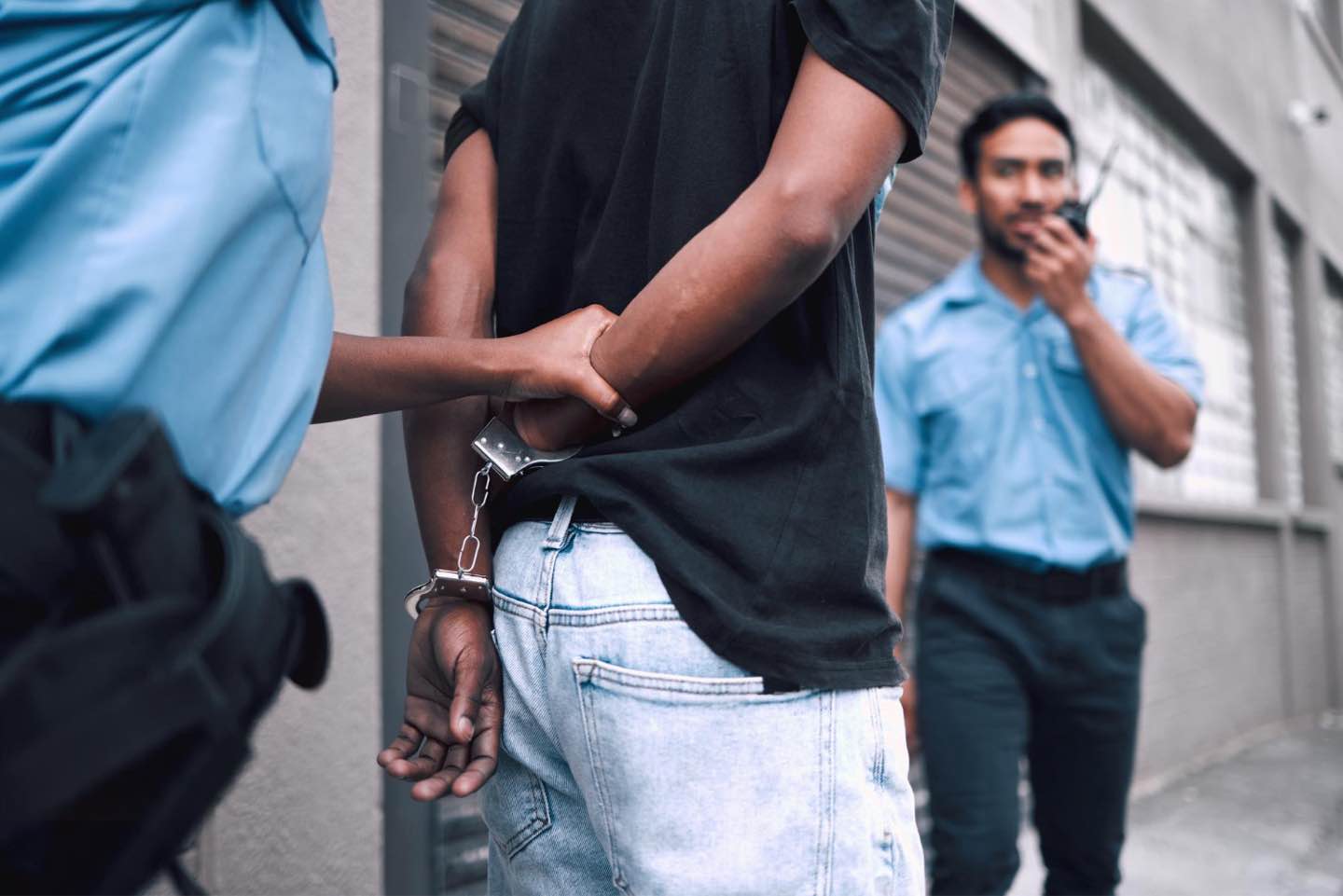
In a shocking turn of events, what was initially reported as a robbery at a Houston gas station on January 27 ended in tragedy and revealed a deep-seated immigration fraud scheme. The incident, which resulted in the death of the alleged robber, Rasshauud Scott, unfolded under the eyes of unsuspecting bystanders and later took the internet by storm when the real narrative was uncovered by the Houston police.

How Did the Texas Robbery Scam Unfold?
The scene appeared to be a typical gas station robbery. Surveillance videos captured Scott running away when a bystander, thinking he was witnessing a real crime, fatally shot him. However, investigations later revealed that this was not a simple robbery but a meticulously planned act to manipulate U.S. immigration laws.
The key players in this plot were the supposed victims, who were actually in cahoots with Scott, and another accomplice, William Winfrey, 30. Their motive was shockingly calculated: to create a scenario that would qualify them for U-Visas, which are given to immigrants who are victims of crimes and help in police investigations.
What Are U-Visas and How Are They Related to Immigration Fraud?
U-Visas are a type of work visa in the United States set aside for immigrants who have been victims of crimes and are willing to assist in legal and police proceedings. This form of visa offers a path to remain in the country legally for those who might otherwise not qualify for residency. However, as seen in this incident, the system can be susceptible to manipulation.
ABC-13 News reported that text exchanges between Winfrey and Scott prior to the incident included instructions to make the staged robbery look realistic. This discovery not only highlights the calculated nature of the setup but also the lengths some will go to exploit humanitarian provisions for personal gain.
What Are the Legal Consequences for Those Involved?
The aftermath of the staged robbery has led to serious legal repercussions for those involved. Winfrey has been charged with murder, considering his role in setting up the fatal scenario. As for the couple, their current legal status and potential charges remain unclear, though their previous involvement in similar scams could compound their legal troubles.
The bystander, who shot Scott under the belief he was stopping a crime, was interviewed by the police and is not expected to face charges. His reaction was based on the perceived threat and his immediate assessment of the situation, illustrating the complex ethical and legal questions that can arise in such manipulated scenarios.
What Can We Learn from This Incident?
This case serves as a poignant example of how the legal system and its benefits can be twisted, leading to tragic outcomes. For those looking to understand more about immigration laws and visas, the official U.S. Citizenship and Immigration Services website offers detailed and reliable information.
For the general public, this incident is a reminder of the unpredictability and complexity of crime and justice. It underscores the importance of remaining vigilant and informed about the mechanisms of law and how they interact with everyday situations.
This story not only sheds light on the darker facets of immigration fraud but also prompts a discussion about the need for stringent checks and balances within the immigration system to prevent such abuses in the future. As this case continues to unfold, it will likely serve as a critical reference point for discussions on immigration policy and crime prevention.
Learn Today:
Glossary or Definitions
- U-Visa: A type of nonimmigrant visa in the United States reserved for victims of crimes who have suffered mental or physical abuse and are willing to assist law enforcement in the investigation or prosecution of the criminal activity. The U-Visa provides a pathway for victims to remain lawfully in the U.S. and potentially obtain permanent residency. However, as seen in the Houston gas station incident, it can be vulnerable to exploitation for fraudulent purposes.
-
Immigration Fraud: The act of deceiving immigration authorities or manipulating immigration processes for unlawful purposes, such as obtaining visas, citizenship, or other immigration benefits through false information, fraudulent schemes, or illegal activities.
-
Legal Repercussions: The consequences, penalties, or legal actions that individuals may face as a result of their involvement in criminal activities or fraudulent schemes, such as staged robberies aimed at manipulating immigration laws. Such repercussions can include charges of fraud, murder, conspiracy, or other related offenses.
-
Victims of Crimes: Individuals who have been directly subjected to criminal activities, such as robbery, assault, human trafficking, or domestic violence, and have suffered physical or emotional harm as a result. These individuals may be eligible for special visas like the U-Visa, designed to protect and support victims who cooperate with law enforcement.
-
Visa Manipulation: The deliberate and deceptive alteration or exploitation of visa regulations, processes, or mechanisms to gain unauthorized advantages, privileges, or benefits, including legal status in a country like the United States. Visa manipulation can involve fabricating evidence, staging criminal incidents, or engaging in fraudulent schemes to circumvent immigration laws or obtain immigration benefits improperly.
This Article In A Nutshell:
A Houston gas station incident unveiled an immigration fraud scheme, not a robbery. Rasshauud Scott’s staged crime aimed to obtain U-Visas. William Winfrey faces murder charges. Legal complexity arose when a bystander, mistaking it for a robbery, shot Scott. The incident highlights loopholes in immigration laws and ethical dilemmas. Be cautious and informed.
— By VisaVerge.com
Read more:
-
Green Bay Police Issue Warning: Latino Community Targeted by Costly Immigration Scam
-
Stay Alert: Rising Incidents of Job Visa Scams in New Zealand Exposed
-
The $400K Fraud: Unveiling the Pat Patel Scam Involving a 23-Year-Old Indian-American
-
Holiday Alert: How to Identify Fake Booking Sites and Other Travel Scams