(ST. ROSE, ST. CHARLES PARISH, LOUISIANA) Federal immigration agents swept through parts of south Louisiana for a second week under an operation known as “Catahoula Crunch,” but public reporting has offered no clear account of what happened from about December 8–14, 2025, leaving families, employers and local officials with fresh fear and few verified facts.
The lack of new numbers matters because the first week of the crackdown, which ended around December 10, was built around an internal target of 5,000 arrests, according to plans reviewed by the Associated Press in November 2025. U.S. Department of Homeland Security officials declined to say how many people were actually apprehended during that opening stretch, and as of December 13, 2025, DHS had still not provided totals or details for the second week.
Initial processing and movements
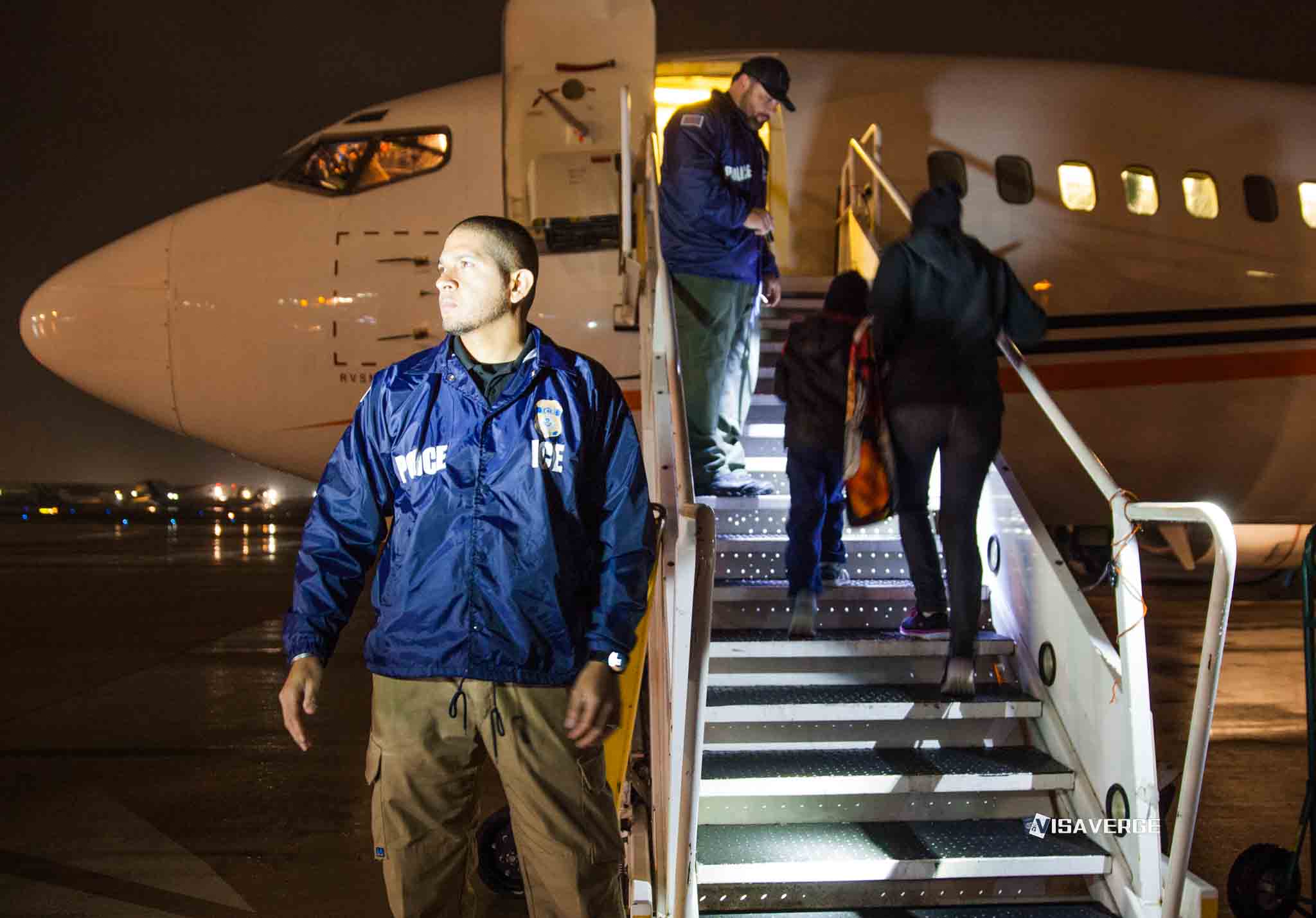
What is known from the initial days is that people taken into custody were first processed at a new ICE facility in St. Rose, St. Charles Parish, a quiet industrial pocket that suddenly became part of the region’s immigration pipeline.
The facility is operated by the contractor BI Inc., and detainees were then moved to a jail in Hancock County, Mississippi, under a DHS intergovernmental agreement, before transfers on to one of Louisiana’s nine immigration detention centers, the AP reported.
Human impact of rapid transfers
For immigrant communities, the step-by-step movement is more than logistics. It can mean missed court dates, lost jobs and days when children do not know where a parent is being held.
| India | China | ROW | |
|---|---|---|---|
| EB-1 | Apr 01, 2023 ▲31d | Apr 01, 2023 ▲31d | Current |
| EB-2 | Jul 15, 2014 ▲303d | Sep 01, 2021 | Current |
| EB-3 | Nov 15, 2013 | Jun 15, 2021 ▲45d | Jun 01, 2024 ▲244d |
| F-1 | May 01, 2017 ▲174d | May 01, 2017 ▲174d | May 01, 2017 ▲174d |
| F-2A | Feb 01, 2024 | Feb 01, 2024 | Feb 01, 2024 |
Advocates say quick transfers also make it harder to find legal help, because a family may call one jail only to learn their relative has already been moved again. The federal government maintains an online lookup tool, the ICE Online Detainee Locator System, but it depends on correct spelling and basic biographical details that families may not have.
Key consequences:
– Missed court appearances and disrupted legal timelines
– Lost income and unstable childcare arrangements
– Difficulty locating detainees due to rapid, multiple transfers
Where enforcement took place and community response
Enforcement in the first week hit suburban areas such as Kenner, which has Louisiana’s highest concentration of Hispanic residents.
Community groups turned to Facebook and other social media to share alerts about Border Patrol and ICE activity — a modern version of neighborhood phone trees — as residents tried to decide whether it was safe to drive to work, walk children to school or open a storefront.
That fear showed up quickly in local commerce. Businesses in Hispanic-heavy neighborhoods shut down, including Taqueria Guerrero in Mid-City, which announced a temporary closure before the operation, and a taco truck at Broad and Canal Streets.
Owners and workers, many of whom depend on daily cash flow, faced a blunt choice:
1. Keep operating and risk an encounter with agents.
2. Close and lose income needed for rent and groceries.
Role of state authorities and confusion over jurisdiction
State authorities also had a visible role. The Louisiana State Police said it provided “operational support,” with uniformed troopers in marked vehicles, according to Sgt. Kate Stegall of LSP Region NOLA.
The presence of state police cars on streets where federal agents were active added to confusion for residents who may not know which agency has stopped them, and what rights apply in that moment.
Reports of U.S. citizens apprehended and calls for oversight
Community tension deepened as reports circulated that U.S. citizens had been apprehended or targeted by agents. The available accounts did not provide names or confirm numbers, but the allegation alone sharpened calls for oversight.
Mistaken identity in immigration enforcement can lead to hours or days of detention even when a person is legally in the United States 🇺🇸. Lawyers often urge citizens and noncitizens alike to carry basic identification, yet that advice offers little comfort when people describe being questioned close to home, school or work.
“Secrecy breeds fear,” said Congressman Troy Carter, who held a press conference demanding transparency about the tactics used in the operation.
His concerns focused on:
– How sites were chosen
– What standards agents followed when making stops
– What safeguards existed to prevent profiling
Protests and political pressure
Protests followed in Metairie, New Orleans and Kenner, with groups chanting and holding posters. Public pressure reflected broader demands that DHS explain its choices and actions during the operation.
Impact on families and daily life
Behind the public rallies, the most painful impact fell inside homes. Reported consequences included teenagers left caring for younger siblings after parents were detained, forcing them to “grow up fast.”
In immigrant households where adults work long shifts, a sudden detention can turn a high school student into the only steady link to school schedules, medical needs and bills, with little time to grieve or even tell friends what happened.
Economic ripple effects and employer uncertainty
The silence about the second week has also left employers guessing. Workplaces do not need to be raided for an enforcement surge to ripple through staffing.
When workers stay home out of fear:
– Small contractors miss deadlines
– Restaurants cut hours
– Families lose wages
According to analysis by VisaVerge.com, fast-moving local crackdowns can also push more people into seeking legal advice at once, creating long waits for appointments even for those who are not in custody.
Ongoing unknowns and ground-level observations
DHS officials have not publicly said whether the operation’s pace changed after the first wave, or whether transfers continued through the St. Rose processing site run by BI Inc.
With no detailed second-week briefings in current coverage, residents have been left to piece together developments from what they see on the ground and what neighbors post online.
At the St. Rose gate, local residents said they have watched buses and vans come and go without any public schedule, feeding rumors that are hard to verify. Carter said the community needs answers because secrecy “breeds fear,” while DHS has kept repeating that it will not discuss ongoing operations.
Without official briefings, even routine traffic stops or workplace visits can be read as part of Catahoula Crunch today.
Advice from advocates for families trying to locate detained loved ones
For families trying to confirm whether a loved one is in immigration custody, advocates stress the importance of recording and keeping the following information:
– Full name (including any alternate spellings)
– Date of birth
– Country of birth
– Copies of key documents stored in a safe place at home
They recommend using the federal locator tool (see above) but warn it depends on accurate biographical details.
Important warning: Even careful preparation does not erase the anxiety that comes with unmarked cars, sudden knocks on doors, and the sense that everyday life can change in minutes.
Summary of critical points
- The operation known as Catahoula Crunch ran across parts of south Louisiana around Dec. 8–14, 2025, with an internal target of 5,000 arrests during the first week.
- Details about actual numbers and second-week activities remain unconfirmed by DHS as of Dec. 13, 2025.
- Detainees were initially processed in St. Rose (St. Charles Parish) at a facility run by BI Inc., then moved to Hancock County, Mississippi, before transfers to Louisiana detention centers.
- Rapid transfers, limited public information, and visible law enforcement activity created wide-reaching fear and disruption in immigrant communities, local businesses and families.
- Advocates urge people to keep accurate personal information and copies of documents to aid in locating detained relatives, but stress that those measures can only partially mitigate the wider social and emotional harms.
Catahoula Crunch swept parts of south Louisiana around Dec. 8–14, 2025. Internal plans set a 5,000-arrest target for the first week, but DHS withheld confirmed totals. Detainees were processed at a new BI Inc. facility in St. Rose, then moved to Hancock County, Mississippi, and Louisiana detention centers. Rapid transfers, scant public information and visible law enforcement presence created fear, business closures and family disruptions, prompting calls for transparency and oversight.