Key Takeaways
• Trump’s April 2025 executive order targets sanctuary cities, threatening loss of federal funding for non-compliance.
• Over 150,000 undocumented immigrants arrested, 139,000 deported, and border ‘got-aways’ reduced by 96% since the order.
• A federal judge blocked funding cuts to sanctuary cities, raising constitutional and legal challenges to federal enforcement.
Sanctuary Cities Face Strong Federal Action as President Trump Orders Immigration Crackdown
On April 29, 2025, President Trump signed a sweeping executive order aimed at what his administration calls non-compliant “sanctuary cities.” This order marks a clear push to increase federal control over how states and local governments work with federal immigration authorities. Coming just before President Trump finishes his first 100 days in office during his second term, this move has set off a new nationwide debate about the limits of federal power, local independence, and the future of immigration laws in the United States 🇺🇸.
What Are Sanctuary Cities and Why Does the Federal Government Target Them?
“Sanctuary cities” is a name given to cities and local governments that do not fully cooperate with federal immigration officials. These local areas often refuse to use their own resources—like their police or jail staff—to help with immigration enforcement unless there is a legal requirement to do so. Many cities believe this policy helps build trust between police and immigrant communities, helps more people report crimes, and protects those who are undocumented from being afraid to seek help.
However, the White House sees things differently. President Trump’s new executive order declares that these sanctuary cities are blocking the enforcement of immigration laws and threaten national security. The order tells the Attorney General and Secretary of Homeland Security to make a public list of states and cities that the federal government believes are interfering with immigration law enforcement. These places will be notified that they are not following the rules. If they do not change their policies, they could lose important federal funding that helps run everything from schools to public safety programs.
Key Details of the Executive Order
- The Attorney General and Secretary of Homeland Security must list all states and local places that do not fully work with the federal government on immigration matters.
- Sanctuary cities and states will be formally told about their status and given a chance to change their rules.
- If they keep refusing, these jurisdictions could lose federal money.
- The order tells top law enforcement leaders to use “all necessary legal remedies and enforcement measures” to force compliance.
- The administration aims to block undocumented immigrants living in sanctuary areas from getting public benefits by introducing tougher checks on who can apply for these services.
These actions signal that the government is pushing hard for local areas to follow federal immigration laws. The White House says this is to better protect American communities from people who may pose safety threats.
Large Federal Raids and New Deportation Strategies
Alongside the executive order, the administration has stepped up actual on-the-ground enforcement. There have been a series of major actions across the country in recent weeks:
- Over 100 immigrants were taken into custody in one large night raid at a nightclub in Colorado 🇺🇸.
- In Florida 🇺🇸, about 800 people were arrested over just four days as part of a larger push.
- The government launched an operation called “Operation Tidal Wave,” which White House officials describe as the “largest deportation operation” ever in the country’s history.
- More than 150,000 undocumented immigrants have been arrested since President Trump returned to office. In the same time, over 139,000 people were deported.
- Government officials report a dramatic 99.99% decrease in “catch-and-release”—a practice where people caught crossing the border illegally were released while they waited for their courts dates—compared with the same time under President Biden.
- The number of people known as “got-aways”—those who crossed the border but were never caught—has dropped by 96%, according to federal sources.
The White House says these numbers show that the new measures are working. “Major change has arrived,” explained a spokesperson, pointing to a strong drop in unauthorized border crossings and quicker removal of those arrested.
Some cities, however, worry these federal tactics may cause more fear in immigrant communities and discourage people from getting help or reporting crimes, including domestic violence or theft. This, they say, could affect public safety in different ways than the administration expects.
Legal and Public Pushback Against the Crackdown
The pursuit of sanctuary cities by the Trump administration has not gone unchallenged. Recently, a federal judge blocked the White House from taking away federal money from sanctuary cities. The judge said that such action violates constitutional principles about how federal and local governments share powers.
Opponents of the new executive order argue the federal government cannot force local law enforcement officers to become immigration agents. Minneapolis Mayor Jacob Frey openly criticized the order, saying, “He can’t require local law enforcement to do certain and specified federal work.”
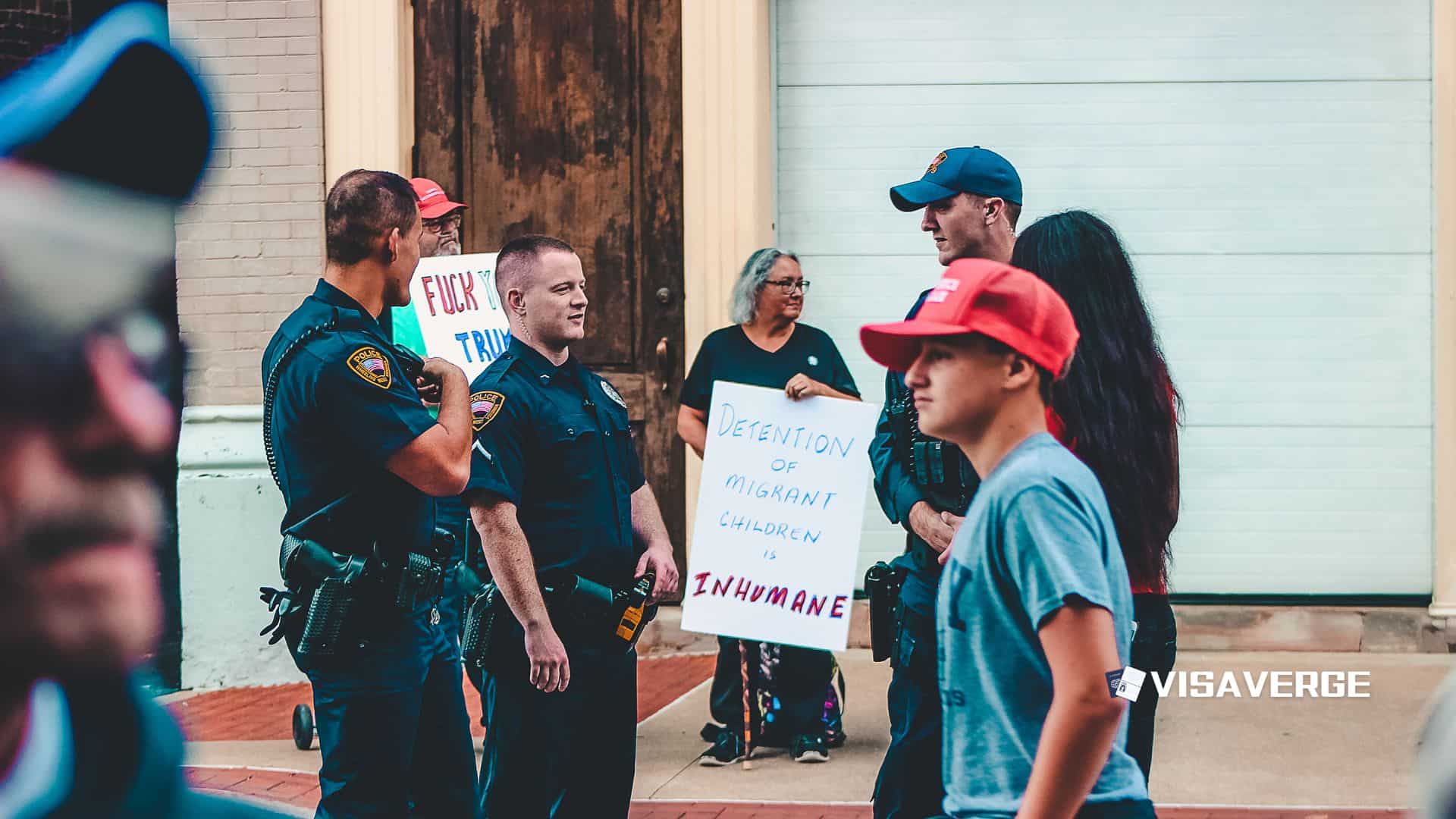
A number of public interest and immigrant rights groups have also voiced concerns. They point to the recent deportation of three U.S. citizen children and their mothers, which has brought fresh controversy. Stories like this are fueling debates about where the line should be drawn between secure borders and family unity.
On top of legal and political opposition, public opinion is also shifting. Recent polls show that only 46% of Americans now support President Trump’s immigration approach, down from 50% earlier this year. This suggests that the more aggressive enforcement approach is dividing the country and encourages further debate.
White House Arguments: Why The Crackdown Is Important
To explain these tough actions, White House officials argue that sanctuary city policies act as a barrier to keeping Americans safe. They claim that when local governments don’t work with federal authorities, people who may be dangerous can escape custody and go on to commit more crimes. The administration shares specific cases where immigrants were released from local jails—even after federal officials asked to hold them—only for those individuals to be arrested later for serious crimes.
White House Press Secretary Karoline Leavitt put it simply: “It’s quite simple: obey the law, respect the law, and don’t obstruct federal immigration officials and law enforcement officials when they are simply trying to remove public safety threats from our nation’s communities.”
Officials describe sanctuary cities as “a lawless insurrection against the Federal Government’s constitutional authority.” This language shows that the White House sees the issue as more than just policy; they view it as a basic challenge to the rule of law.
Background and History: How We Got Here
The modern idea of the sanctuary city has grown over the past two decades. As federal laws around immigration became tighter, some cities—and even whole states—decided to make their own rules to protect certain residents. They often argued their police should build trust with everyone in the city, no matter their immigration status, to increase overall safety.
Past presidents, including President Biden, took a different approach. He supported some flexibility for local governments, saying that immigration enforcement should focus on specific threats and not sweep up everyone. However, under President Trump, the focus shifted back to much stricter enforcement and punishing non-compliance.
What Comes Next for Sanctuary Cities?
With President Trump’s new executive order, sanctuary cities are left with hard choices. They can either change their rules to work with federal authorities or risk losing important funding for key services. This standoff could trigger more lawsuits, as cities argue they are being forced to do the federal government’s work at the local level.
For immigrants, especially those living in sanctuary cities, the order creates new fears about whether they can safely seek support or report crimes without facing possible detention or deportation. Local law enforcement officers also face tough choices about whether to follow federal requests that might go against their own city policies or beliefs.
Employers, schools, and health care providers in these areas may soon see changes, too. If federal funding is cut, local services could shrink, and everyone—immigrants and citizens alike—could feel the impact.
The executive order also brings changes to public benefits. The government is working on new systems to check if someone applying for benefits is eligible, with the goal of blocking undocumented immigrants from getting certain federal help in sanctuary places. This means stricter review of documents, identity, and residency.
Broader Impact on U.S. Immigration Laws
The pressure on sanctuary cities is not happening in a bubble. These actions connect to a larger push to reshape how the United States 🇺🇸 handles all immigration—how people cross the border, what happens if they are caught without documents, and what rights even long-time undocumented workers and their families have.
Officials argue these measures are needed to end what they see as years of weak enforcement. Critics say the crackdown is too broad and sweeps up too many people, sometimes breaking up families and putting children at risk.
As reported by VisaVerge.com, the legal battles, public debates, and tough new rules could shape the country’s immigration debate for years to come. Some say this is the boldest test yet of whether local areas can set their own rules or must fully follow federal orders—especially when it comes to such personal issues as who can call America their home.
If you want to learn more about the details of federal immigration enforcement and resources on sanctuary jurisdictions, the U.S. Department of Homeland Security offers guidance and updates on their official website: Department of Homeland Security.
Summary and Next Steps
Sanctuary cities are now at the center of one of the country’s biggest immigration debates. President Trump’s new executive order gives clear warnings: work with federal immigration agents or lose federal funding. The goal is to strongly enforce immigration laws everywhere, even if local governments disagree.
But not everyone is on board. Lawsuits are underway, public support is changing, and city leaders are promising to defend their own rules in court. Immigrants in sanctuary cities face more uncertainty than ever, and their communities worry about what comes next.
The coming months will show whether these changes lead to safer communities, strained local services, or new ways for federal and local governments to work together on tough immigration questions. For now, the message from Washington is clear: when it comes to immigration enforcement, the rules are changing, and sanctuary cities are first in line to feel the effects.
Learn Today
Sanctuary Cities → Cities or local governments limiting cooperation with federal immigration authorities to protect undocumented immigrants from deportation.
Executive Order → A legally binding directive from the President to federal agencies, often used to manage operations or enforce laws.
Catch-and-Release → A practice where individuals caught crossing the border illegally are released while awaiting immigration court hearings.
Got-aways → People who illegally cross the border and evade arrest or detection by immigration authorities.
Deportation → The formal removal of a foreign national from the United States for violating immigration laws.
This Article in a Nutshell
President Trump’s 2025 executive order escalates pressure on sanctuary cities to comply with federal immigration laws. Non-compliance could mean losing vital funding. Aggressive enforcement includes historic raids and deportations. Legal challenges and shifting public opinion show fierce national debate, with immigrant communities and local governments facing tough choices about cooperation and autonomy.
— By VisaVerge.com
Read more:
• Caribbean Leaders Call for Answers on Possible U.S. Travel Restrictions
• Pakistan Waits for Clarity on Potential US Travel Restrictions
• Flywire Cuts 125 Jobs as Student Visa Restrictions Hit Revenue
• U.S. Expands Visa Restrictions to Tackle Exploitation of Cuban Workers
• Fewer International Students in Netherlands as English Restrictions Tighten