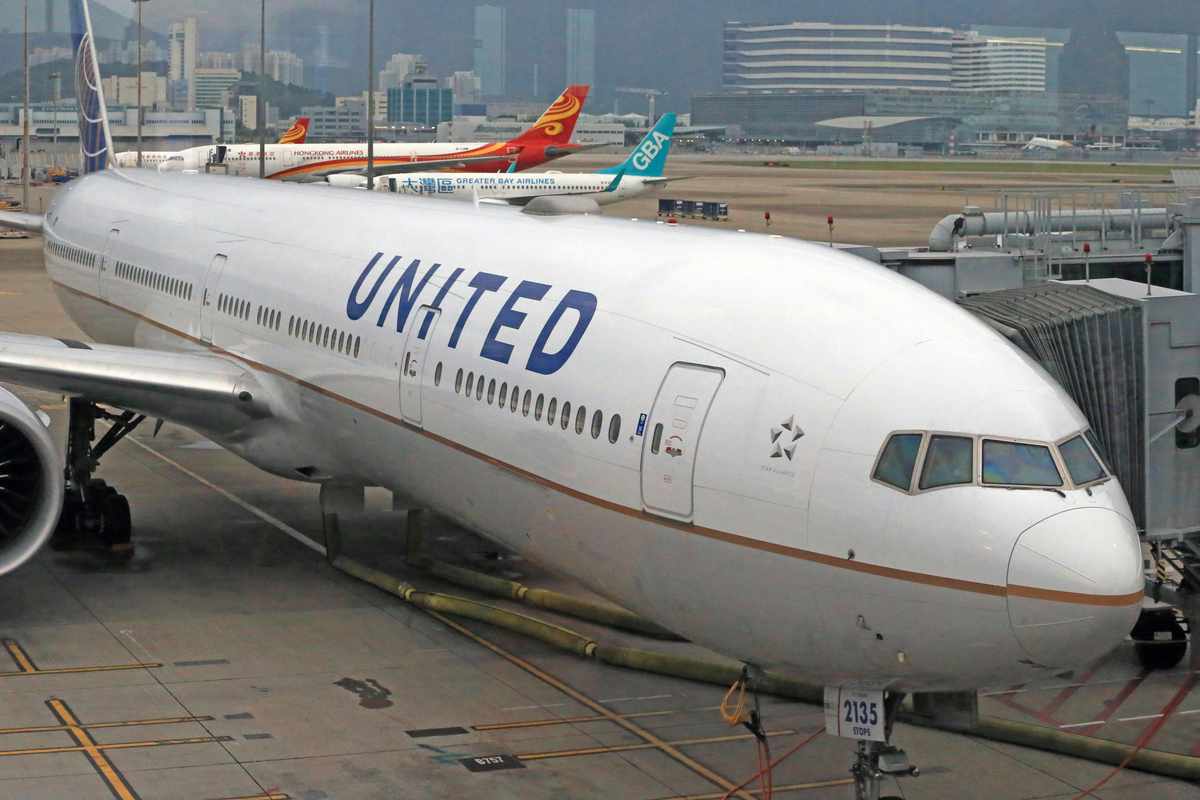
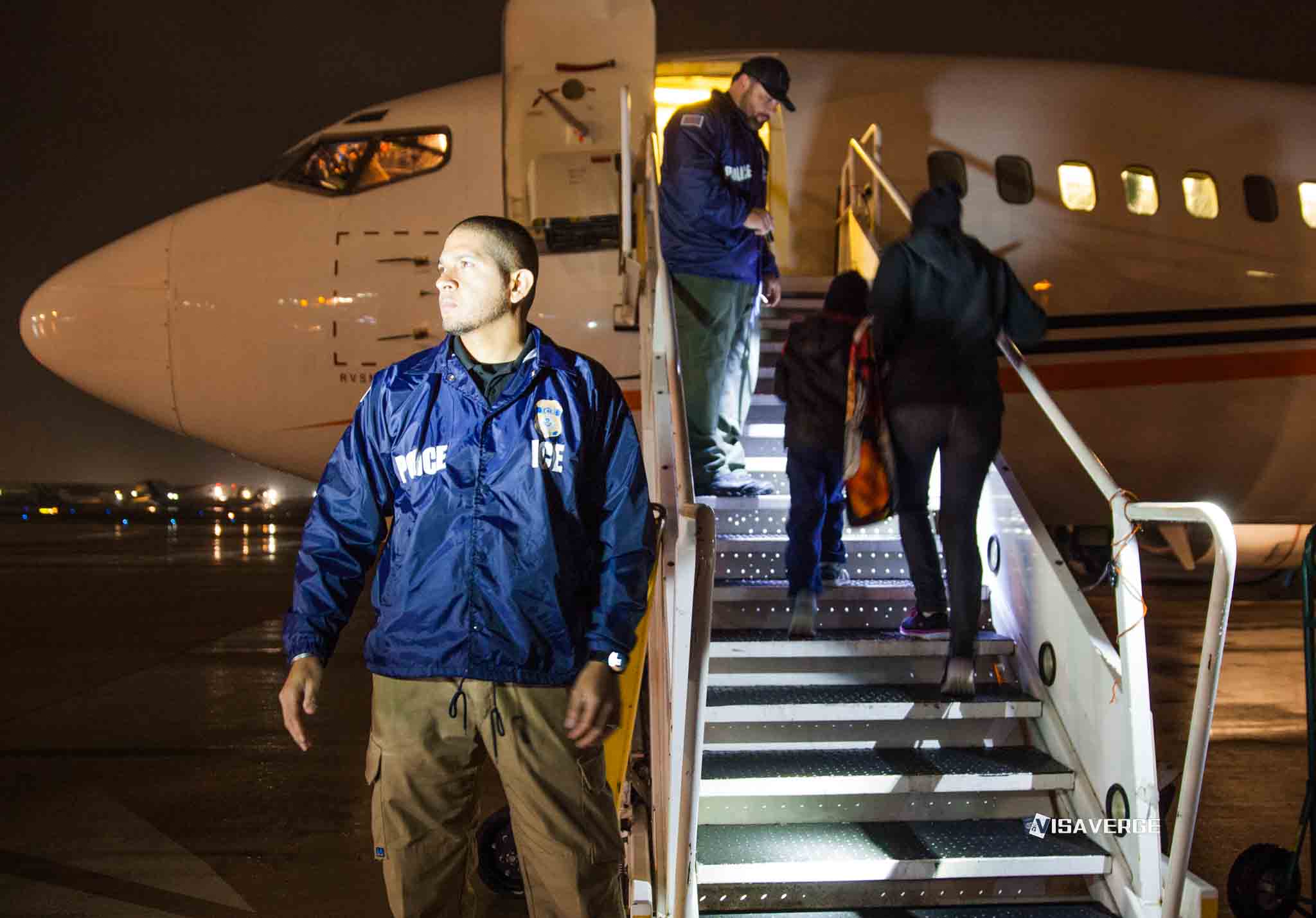
- Qatar Airways has suspended all scheduled passenger operations from the United States until at least March 10, 2026.
- A total of thirteen widebody aircraft remain stranded at American airports, including three at New York’s JFK.
- Travelers are being rerouted through international gateways like London and Madrid as no U.S. relief flights are scheduled.
(UNITED STATES) — Qatar Airways kept its scheduled passenger operations suspended on Tuesday as the closure of Qatari airspace that began on February 28, 2026, extended through March 10, 2026, leaving 13 of the airline’s passenger aircraft stranded at U.S. airports.
Three of the stranded jets sat at John F. Kennedy International Airport in New York, with the remaining aircraft spread across other U.S. airports.
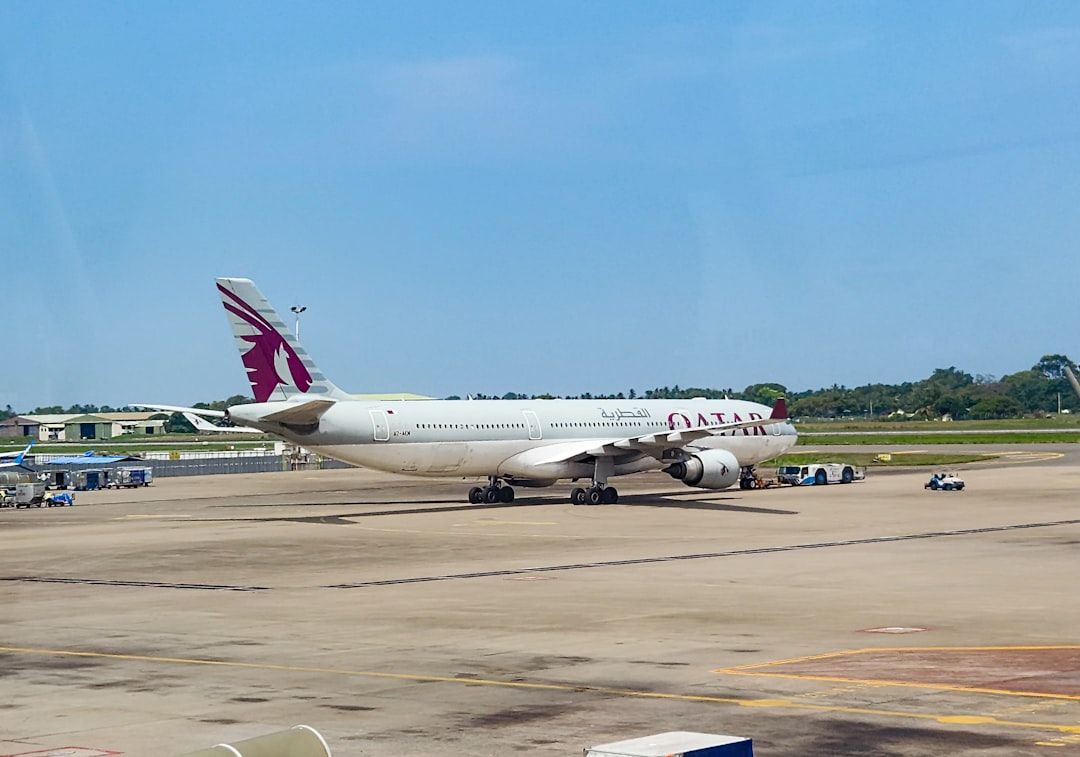
The disruption left travelers facing cancellations, rebooking pressure and uncertainty around when normal service could restart, because Qatar Airways linked any resumption to regulatory clearance.
Qatar Airways said flights will resume only after the Qatar Civil Aviation Authority announces the safe reopening of Qatari airspace.
That stance has effectively frozen the carrier’s North America network for the duration of the airspace closure, while aircraft and crews remain out of position across the United States.
Tuesday marked 10 days since the closure began, a stretch that tested airline contingency planning and forced passengers to consider alternative routings outside the carrier’s normal schedules.
Qatar Airways has operated limited relief flights from select international gateways, including London Heathrow, Madrid and Frankfurt, as it tries to move passengers within the constraints of the current operating environment.
No relief services were scheduled from North American airports to repatriate stranded aircraft or move passengers, leaving the airline without a direct flight bridge from U.S. departure points during the suspension.
Instead, Qatar Airways concentrated the limited flying it can operate outside North America, a pattern that pushes many affected customers toward indirect journeys via permitted gateways.
The carrier told passengers to wait for direct notification before heading to airports, and it has contacted affected individuals with rebooking details.
That approach aims to reduce crowding and confusion at terminals, but it also means travelers often receive updates remotely rather than from a staffed Qatar Airways counter.
At U.S. airports where Qatar Airways aircraft are parked, passengers should expect a reduced Qatar Airways presence and more reliance on third-party handling, with constrained counters and limited in-person support compared with normal operations.
The absence of relief flights from North America also complicates choices for travelers who planned to depart from U.S. gateways, because the airline’s immediate capacity is tied to what it can operate from abroad.
As of March 10, Qatar Airways’ relief planning included inbound services to Doha from Seoul, Moscow, London, Delhi, Madrid, Islamabad, Beijing, Perth, Nairobi and Istanbul.
Outbound flights from Doha targeted Cairo, London, Jeddah, Manila, Cochin, Muscat, Istanbul, Mumbai, Delhi, Nairobi, Islamabad, Madrid, Frankfurt, Colombo, and Milan.
The city pairs reflect an attempt to keep Doha connected to a mix of Europe, South Asia, East Asia and Africa, while also supporting regional connectors and a set of long-haul points where demand concentrates quickly.
Qatar Airways cautioned passengers through its notification requirement that plans can shift, and the relief schedule can change quickly with corridor permissions, crew positioning and aircraft availability.
For many affected customers, that means reroutes via permitted international gateways may become more common than direct service, especially while there are no relief operations from North American airports.
The stranded fleet in the United States included multiple Boeing 777-300ERs, 777-200LRs and Airbus A350s, aircraft that normally anchor long-haul schedules and carry large numbers of passengers.
Those widebodies are disproportionately difficult to replace at short notice, and their absence from regular rotations can ripple through an airline’s network even beyond the cities where the jets are parked.
Across U.S. airports, around 30 widebody aircraft from Middle Eastern carriers were grounded, a broader capacity hit that can tighten long-haul seat supply and reduce options on affected regions.
Airports also face knock-on effects when multiple long-haul aircraft remain on stands longer than planned, increasing gate and stand utilization and complicating routine maintenance positioning.
Crew duty limits add another layer of constraint, because the operational puzzle is not only where an aircraft sits but also whether crews are available and legal to operate relief segments as conditions evolve.
For travelers, the capacity squeeze can show up in tighter rebooking inventory and higher last-minute fares on alternate routings, especially where widebody seats are hardest to substitute.
Qatar Airways offered affected passengers options that included complimentary date changes within a limited window or refunds for unused tickets, as call volumes rose and delays increased.
Customers seeking help have been directed toward online manage-booking tools, airport ticket desks only if instructed, and travel agencies for tickets bought through third parties.
In the United States, the cancellation-heavy environment can place extra focus on refunds when a passenger declines alternative transportation, a common expectation for travelers dealing with disrupted itineraries.
Even so, the timeline for repositioning aircraft stranded in North America does not necessarily align with passenger re-accommodation, because the airline’s relief efforts prioritize passenger repatriation via permitted corridors.
Qatar Airways said no specific timeline exists for repositioning the North American aircraft, underscoring that the airline’s first operational moves are shaped by where it can legally and safely fly.
The mismatch can be confusing for travelers who see idle aircraft at U.S. airports and assume those jets could quickly restart service, when the operating constraint is the status of Qatari airspace and related clearances.
At John F. Kennedy International Airport, the presence of three Qatar Airways aircraft illustrates the logistical weight of the disruption, because widebodies require space, support equipment and coordination even while parked.
More broadly, each stranded long-haul aircraft represents both a grounded asset and a missing link in a tightly scheduled global network, with downstream effects that can extend far beyond a single route.
Qatar Airways has tried to manage passenger flows through direct communication rather than airport walk-ups, a system that depends on customers staying reachable as schedules change.
For passengers already abroad, the current pattern points toward rolling rebookings, longer itineraries, possible overnight connections and limited premium-cabin inventory, particularly on the flights the airline prioritizes in its relief schedule.
Travelers who can maintain flexibility on accommodation and keep documentation ready may find it easier to respond quickly if Qatar Airways issues new instructions or offers different routings.
The next signals to watch remain official announcements from the Qatar Civil Aviation Authority, operational updates from Qatar Airways, and changes visible on airport departure boards as the carrier adjusts its limited flying.
Until Qatar Airways receives clearance tied to the reopening of Qatari airspace, the carrier’s North America suspension leaves stranded aircraft in place and keeps many passengers reliant on reroutes through permitted gateways rather than direct departures from U.S. airports.