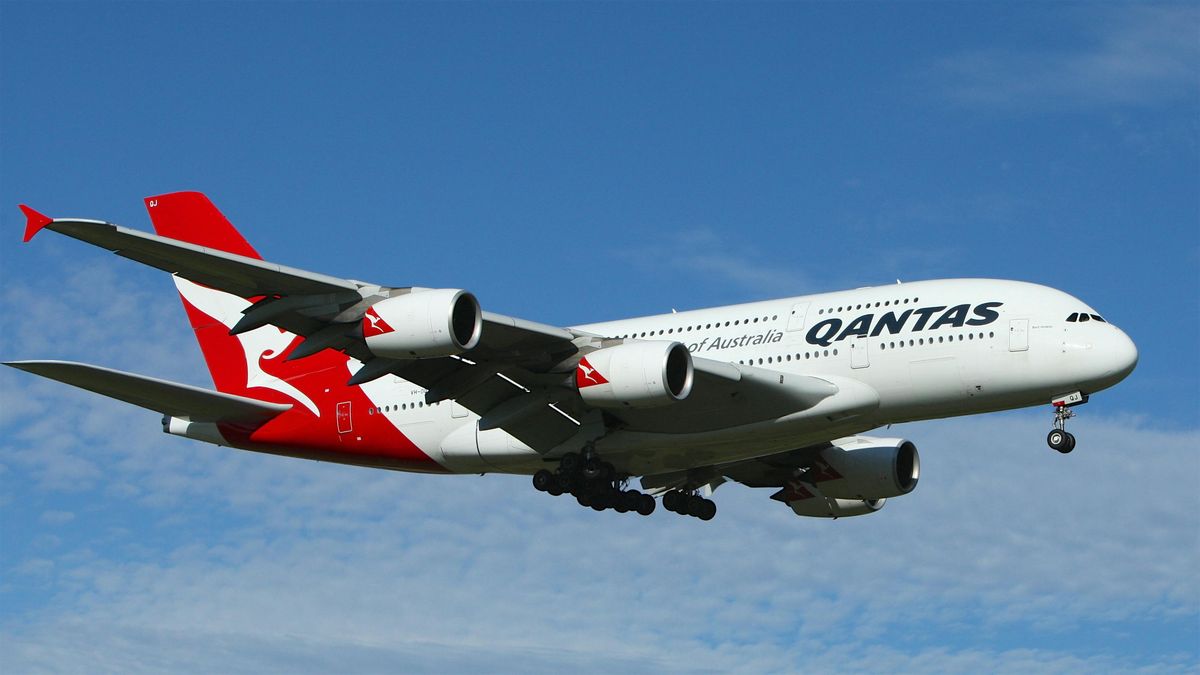
(LOS ANGELES) Qantas passengers stepping off flight QF11 from Sydney on December 7, 2025, expected the usual long walk to immigration checks at Los Angeles International Airport. Instead, many were staring back at the giant Airbus A380 that had brought them across the Pacific, pointing phones at a jagged gap on its left wing.
One traveller described it bluntly: “It looked like a chunk of the wing snapped off.” The damage, later confirmed as a hole in a slat on the leading edge of the wing, meant the aircraft was grounded as soon as it reached the gate.
Aircraft background and recent maintenance
The Qantas A380, registered VH-OQC and named “Paul McGinness,” had just completed its first commercial trip after almost six years in storage. The airline had only recently brought the jet back into service following more than 100,000 hours of heavy maintenance, including new landing gear and a full cabin upgrade.
VH-OQC was the tenth and last A380 to return from pandemic storage, completing what Qantas called the largest maintenance project in its 105-year history. The jet was intended to act as a spare aircraft for holiday peaks before starting regular Sydney–Dallas flights on January 1, 2026.
Problems during the flight
Inside the cabin, celebrations over the superjumbo’s return quickly faded. The long-haul flight encountered a series of electrical problems that affected:
- In-flight entertainment
- Cabin lighting
- Seat controls
- Toilets (some lavatories leaked water when pumps failed)
Qantas later said about half the galley coolers and ovens lost power. Despite these issues, the airline stressed that the A380’s flight controls and safety systems worked normally. Pilots flew the aircraft to Los Angeles without declaring an emergency, and no injuries were reported.
For the 469 passengers on board, the scare became very visible only once they walked toward the immigration hall and looked back at the damaged wing.
Damage specifics and technical notes
- The affected component was a slat, a movable surface on the wing’s leading edge that helps the A380 take off and land at lower speeds.
- Qantas has not released a detailed technical explanation but said the damage was discovered on arrival and would be fully inspected before the aircraft returned to service.
- Engineers in Los Angeles were tasked with examining how a section of the wing could have been damaged on the aircraft’s first trip back in service.
Passenger and immigration consequences
The incident came at a delicate moment for Qantas, which relies on its A380 fleet to move thousands of travellers between Australia and the United States 🇺🇸 during the busy Christmas and New Year season.
For international passengers, the episode is another reminder of how an aircraft problem can ripple into immigration plans:
- Many travellers on QF11 were heading to connecting flights after clearing U.S. Customs and Border Protection checks.
- A grounded A380 means fewer available seats on later days, making it harder for visitors with fixed visa windows or work start dates to rebook.
According to analysis by VisaVerge.com, travellers whose plans are disrupted by cancelled long-haul flights should pay close attention to entry rules tied to their visas. Some non-immigrant visitors receive digital admission records known as Form I-94 when they arrive, and must leave before the date printed there.
The U.S. government explains those rules on its official international visitors page.
If a cancelled Qantas flight pushes travel beyond that period, people may need to speak with a carrier or lawyer about options. While border officers can show flexibility in some cases, the burden stays on the visitor to follow the date listed on the official I-94 record.
Compensation and airline response
Qantas said it would offer affected passengers compensation in the form of frequent flyer points or flight credits because of the in-flight disruptions.
- This may help with future trips, but it does not address the stress for migrants, students, or temporary workers who rely on packed routes like Sydney–Los Angeles to keep immigration plans on track.
- Qantas has insisted there was no compromise to flight safety during QF11 and says regulators will review the event.
For now, the A380 remains on the ground in Los Angeles, its future schedule uncertain. Travellers booked on upcoming Sydney–Dallas flights are being re-accommodated, adding pressure to an already tight trans-Pacific market.
Wider industry implications
The wing damage highlights a wider challenge airlines face as they reactivate large aircraft after long storage during the COVID-19 pandemic. The Airbus A380 is among the most complex passenger jets flying, with thousands of parts that must work together.
Even after heavy checks, minor faults can appear once aircraft start flying full schedules again. The incident underscores how mechanical events in the air can quickly produce real-world consequences at immigration counters and beyond.
“A student with a narrow check-in window for a university in the United States, a nurse starting work on a set date, or a family reuniting after years apart may all feel the shock when a wing-snapped-off section sidelines one of the world’s biggest airliners.”
Advice for travellers and immigration advisers
For immigration lawyers and advisers, the lesson from the Qantas A380 incident is simple: plan travel with buffers. Practical recommendations include:
- Where possible, avoid scheduling arrivals the day before a visa or work start deadline. Allow extra time.
- Keep copies of bookings and airline notices in case questions arise at future applications.
- If disrupted, check visa expiry on the I-94 and seek legal or carrier assistance promptly.
- Be prepared to document reasons for late arrival (airline emails, confirmation of cancellations, rebooking receipts).
These quieter stories often play out later in visa interviews, status extension requests, and border checks — where travellers explain why they arrived late or left early. Events like the QF11 disruption will now sit in that long list of reasons people carry when rules meet real life.
Current status and what to watch next
- Engineers continue to inspect VH-OQC in Los Angeles.
- Travellers planning trips on Qantas superjumbos will watch closely as the airline proves its A380 fleet is ready for the next decade of long-haul travel.
- The airline’s ability to demonstrate reliability will matter not only for comfort and safety but also for the many immigration journeys that depend on reliable planes showing up on time.
Qantas flight QF11’s A380 VH-OQC, recently returned from six years’ storage after extensive maintenance, landed in Los Angeles with a hole in a leading-edge slat. The flight experienced electrical failures affecting cabin systems for 469 passengers, though flight controls functioned normally and no injuries occurred. The aircraft remains grounded for inspection, raising concerns about reactivating complex aircraft after long storage and creating potential travel and visa disruptions for affected passengers.