- Portugal will end postal visa applications for Brazilian nationals starting April 17, 2026.
- Applicants must now appear in person at VFS Global centers or Portuguese consulates for processing.
- The shift aims to reduce fraud and delays by ensuring file quality and identity verification.
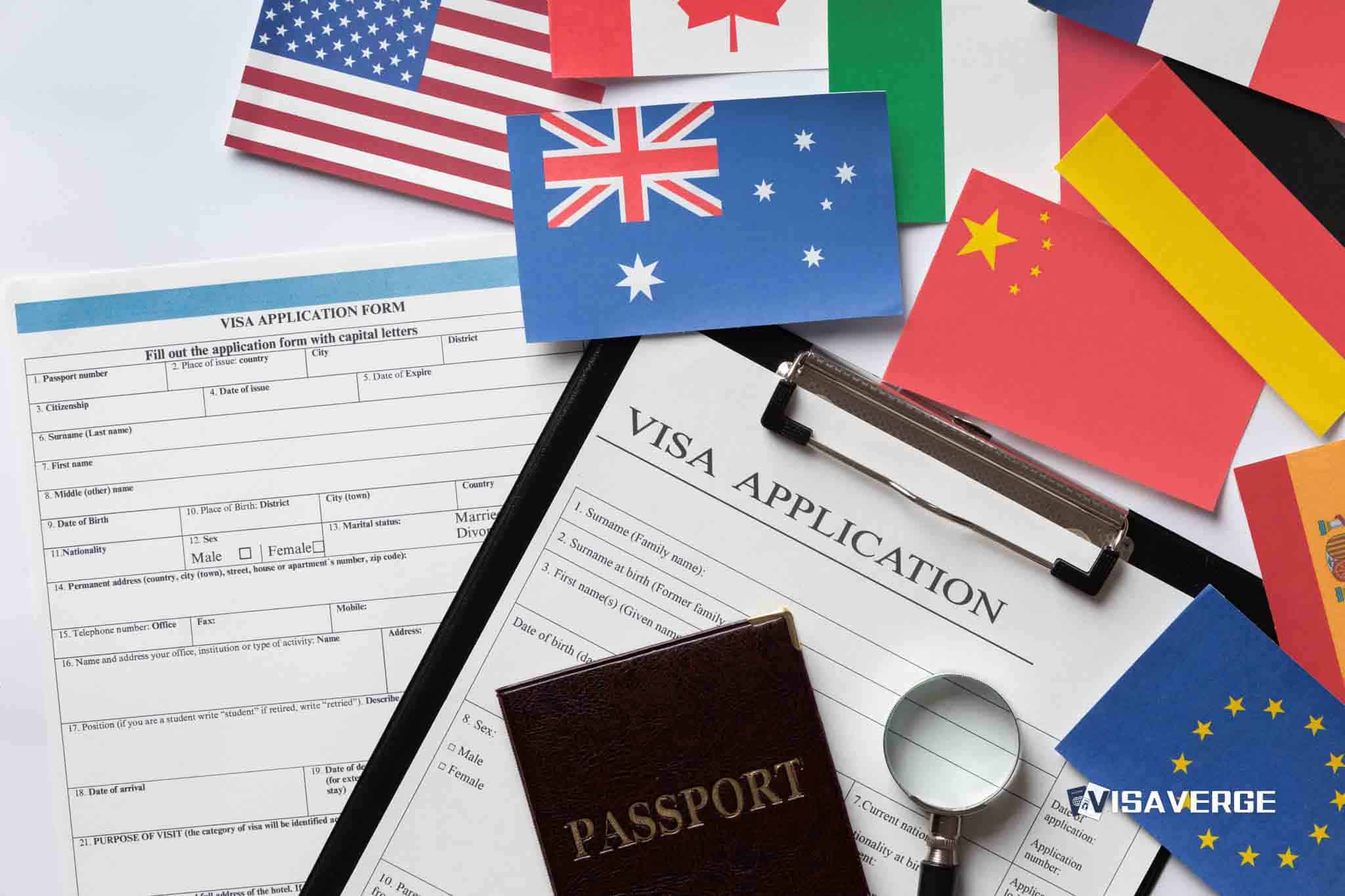
(BRAZIL) — Portugal’s Ministry of Foreign Affairs confirmed on March 6, 2026, that it will end postal visa applications for Brazilian nationals from April 17, 2026, requiring in-person filing for both national long-stay and Schengen short-stay visas at VFS Global centers or Portuguese embassies and consulates in Brazil.
Documents sent by mail after April 17, 2026, will be returned unprocessed, the ministry said.

The change forces applicants who previously relied on postal visa applications to travel to an intake location for submission, identity checks and document verification, adding a new logistical step for many Brazilians seeking to visit, study, work or join family in Portugal.
Postal submission began during the COVID-19 pandemic as a way to limit crowds and reduce in-person demand, and it became a substantial channel for Brazil-based applicants. It handled about 40% of the nearly 105,000 applications from Brazilians in 2025, making Brazil Portugal’s second-largest visa source after India.
Portugal framed the shift as a move back toward controls that are common across European consular systems, with officials citing security checks and a need to improve file quality at intake.
Portuguese officials cited enhanced security and on-site verification of originals to cut fraud, and said the change aims to reduce incomplete files that slow decisions. Officials also linked the move to delays affecting over 30% of requests, a figure they tied to incomplete submissions.
Portugal said the new approach aligns its intake rules with Spain and Italy’s in-person requirements, reflecting a broader preference among peer Schengen consular systems for face-to-face document and identity checks.
Applicants will now lodge their requests through VFS Global or through Portuguese embassies and consulates in Brazil, depending on the visa type and jurisdiction. Portugal listed visa application centers in São Paulo, Rio de Janeiro, Brasília, Salvador, Belo Horizonte, Curitiba, Porto Alegre, Recife, Fortaleza, and Belém.
Appointment availability and jurisdiction rules can vary by location, and the new requirement means applicants will need to plan around local capacity and travel time to reach the nearest center or consular post.
Under the post-change process, applicants must complete the online form and pay fees digitally beforehand, then schedule an in-person appointment. At the visit, they present original documents, provide biometrics, and undergo a short interview.
Portugal’s guidance lists common supporting documents including bank statements, criminal records, accommodation proof, and travel insurance, with travel medical insurance especially relevant for Schengen applications. The in-person step allows staff to check originals and confirm the applicant’s identity at the point of submission.
Filipa Palma of Ambiel Bonilha Advogados estimated long-stay visa costs will rise by about 33% due to travel, lodging, and lost work time, especially for applicants who live far from the listed centers. Palma pointed to distances “over 2,500 km from Manaus or Porto Velho” as an example of the burden for those who must now appear in person.
That added expense comes alongside time pressures for people who must arrange travel and time off work, as well as for employers that need hires to arrive on schedule. Experts cited business risks tied to appointment access and processing bottlenecks once the new requirement takes hold.
Businesses face onboarding delays of 2-3 weeks, experts said, and current wait times in São Paulo already reach 6-8 weeks. Those backlogs mean the in-person intake step can become a planning constraint for companies bringing in workers, as well as for families and students trying to meet start dates.
Portuguese officials said moving away from mail submission improves fraud controls and helps ensure files are complete at intake, which they see as a way to reduce delays later in the process. In-person submission, they argue, strengthens the verification of originals and identity checks and avoids the disruptions caused by incomplete filings.
Immigration lawyers also predicted potential adoption by other Schengen countries if fraud drops, pointing to a possible wider shift toward tighter intake controls if Portugal’s approach delivers the results officials expect.
The change applies to people who need a visa, while some travelers will still not require one for short trips. Dual Brazilian–EU citizens travel freely, and Brazilians qualify for visa-free 90-day Schengen stays, meaning many tourists and short business visitors may not need to file at all.
Longer stays still require the appropriate national visa, and the end of postal submissions means applicants in those categories must now present their paperwork and biometrics in person through VFS Global centers or Portuguese consular channels in Brazil.