- Pennsylvania cities are restricting local cooperation with ICE as federal immigration arrests and detention plans surge.
- Philadelphia and Allegheny County prohibited transfers to ICE without warrants and banned the use of local resources.
- DHS officials warn that sanctuary policies endanger Americans by releasing individuals charged with crimes back into communities.
(PENNSYLVANIA) — Local governments across Pennsylvania passed and advanced new limits on when police, jails and city agencies will assist ICE, moving quickly as federal immigration arrests rise and the Department of Homeland Security pushes plans to expand detention facilities in the state.
Philadelphia, Allegheny County and Harrisburg each acted this year on measures that restrict information-sharing, transfers from local custody, and the use of local money and personnel for immigration enforcement.
Supporters of the local measures frame them as public-safety policy, saying residents who fear immigration consequences avoid reporting crimes and hesitate to use city services, from clinics to libraries.
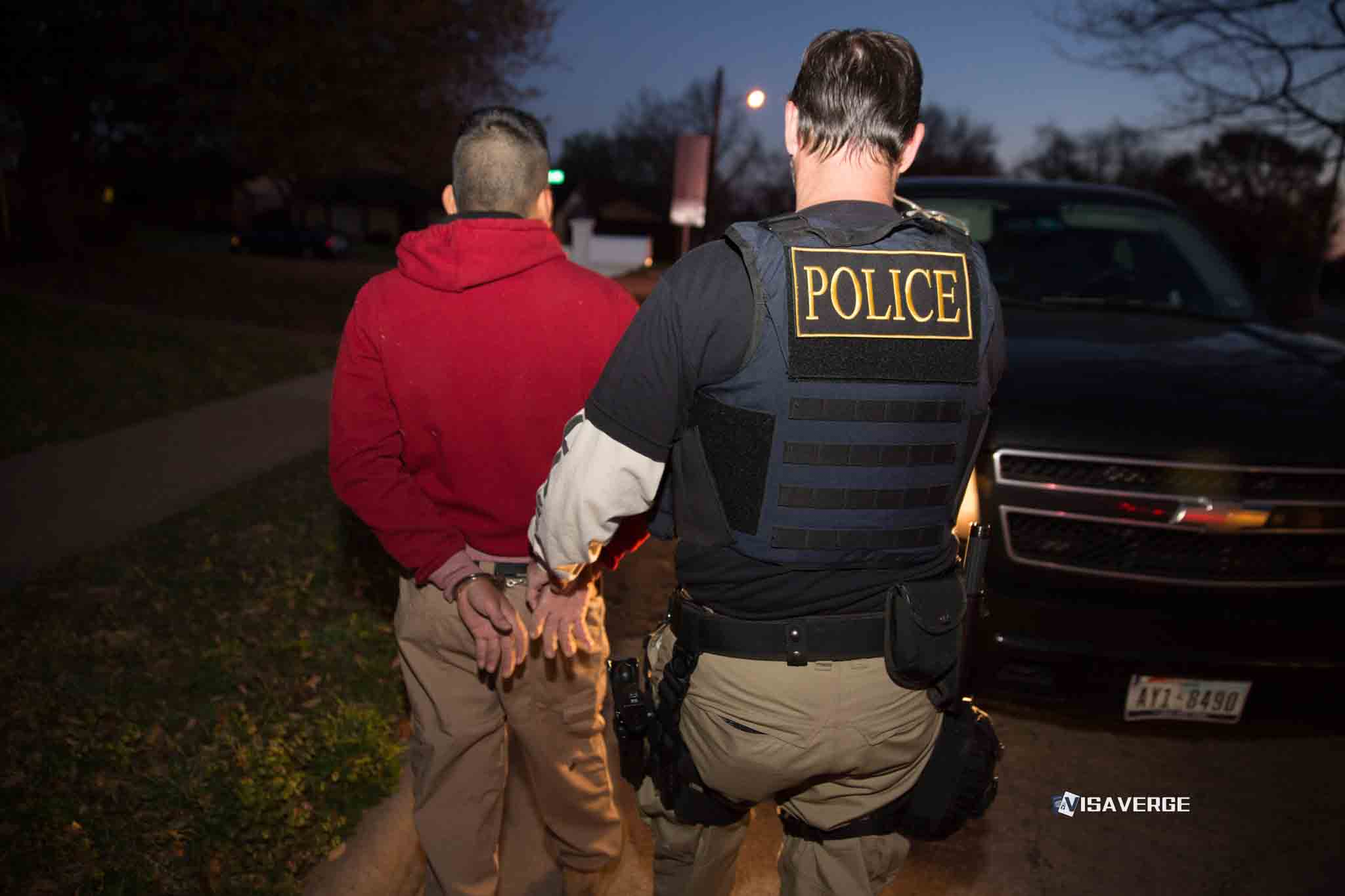
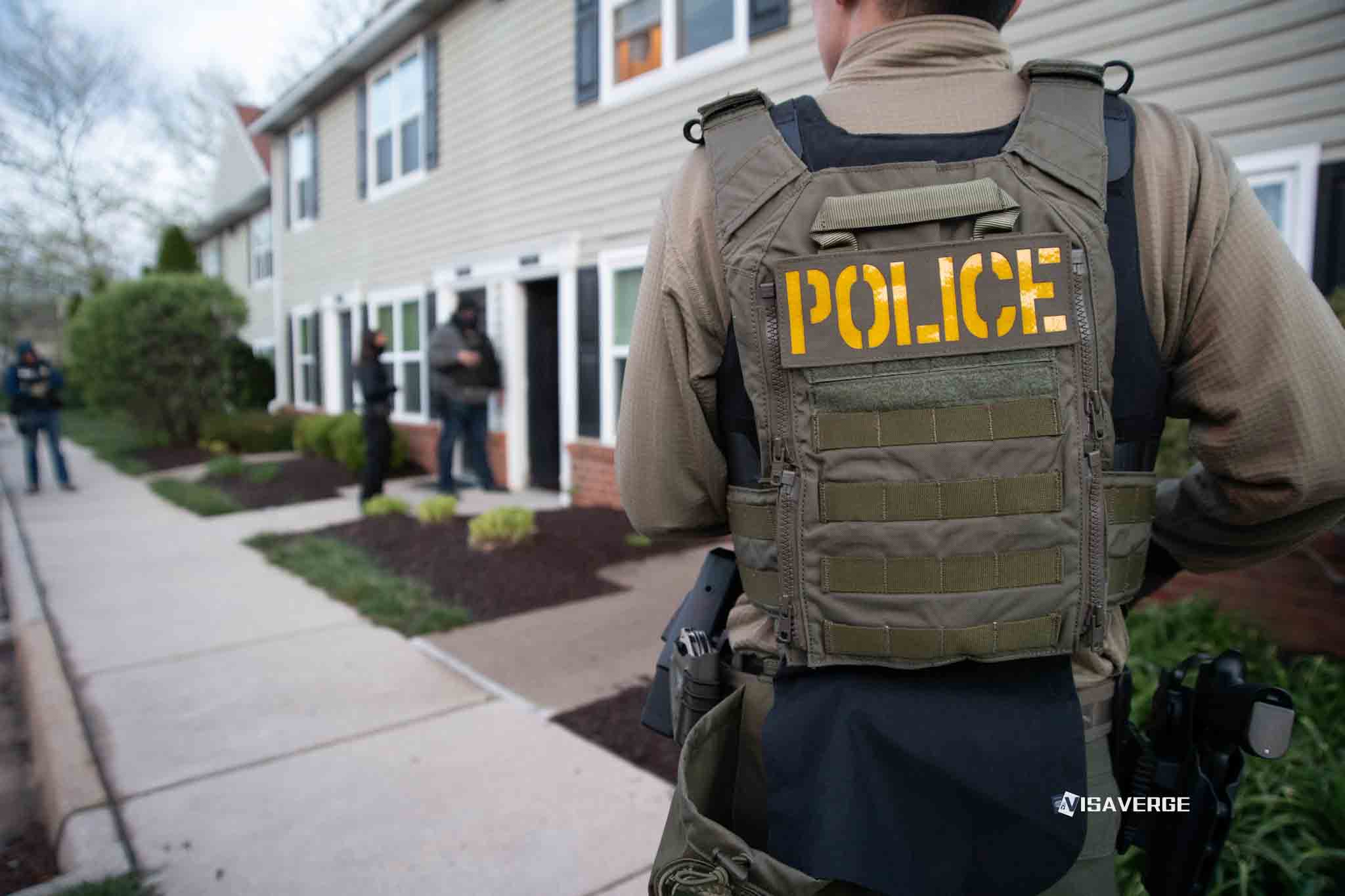
The acceleration comes amid a broader enforcement environment that local officials and advocates say has grown more visible and more aggressive in street-level encounters, including masked agents and unmarked vehicles.
In early 2026, ICE purchased two warehouses in Berks County (Upper Bern Township) and Schuylkill County (Tremont) as part of a $38.3 billion national plan to expand detention capacity.
Pennsylvania’s Department of Environmental Protection issued orders in March 2026 blocking those facilities due to water and sewage capacity concerns, adding state-level friction to the federal push for more detention space.
Enforcement activity also intensified. Statistics analyzed in February 2026 show ICE arrests in Pennsylvania surged 3.5 times in the first three quarters of 2025 compared to 2024.
Official data indicates that nearly 40% of those arrested in the recent Pennsylvania surge had no criminal history, a figure advocates cite as a reason residents fear that routine contact with government could lead to deportation.
DHS leaders have criticized the Pennsylvania measures, arguing that limiting local cooperation with ICE threatens public safety and disrupts federal operations that rely on access to people in local custody and local information.
DHS Secretary Kristi Noem addressed the issue during a DHS oversight hearing before the House Judiciary Committee on March 5, 2026. “Some sanctuary jurisdiction. [where] the illegal migrant’s been charged with another crime. is released because the detainer is not honored. He’s not turned over to ICE, released to the streets. We make sure that we enforce the law and that we protect our homeland and that the families that live here, the American citizens, are our number one priority.”
Noem also issued a warning tied to DHS’s public labeling of jurisdictions. In a DHS Press Office statement dated May 29, 2025, released alongside a formal list of “sanctuary jurisdictions” that included 11 Pennsylvania counties and 5 cities, she said: “These sanctuary city politicians are endangering Americans and our law enforcement in order to protect violent criminal illegal aliens. Sanctuary politicians are on notice: comply with federal law.”
A separate DHS statement dated June 2, 2025 said: “Sanctuary jurisdictions undermine the rule of law and endanger the lives of Americans and law enforcement.”
Local officials and advocates backing the new Pennsylvania rules answer that their goal is not to obstruct federal law, but to draw clearer lines around what local government will do voluntarily, especially in street encounters and in county jails.
Philadelphia’s approach, packaged as “ICE Out,” arrived in January 2026 as a seven-bill set aimed at masking and identification, data sharing, and the use of local resources in federal immigration actions.
One portion of the Philadelphia package prohibits ICE agents from concealing their identities with face masks or using unmarked vehicles during raids, and requires agents to display official badges while in the field.
Another portion ends cooperation by codifying executive orders banning 287(g) agreements, which allow local police to act as ICE agents, and by prohibiting city agencies from sharing data or resources with ICE.
Allegheny County took a custody-focused approach. On March 11, 2026, the County Council voted 11-3 to prohibit county employees from transferring individuals from the county jail to ICE custody without a judicial warrant.
The Allegheny legislation also bars county employees from allowing federal agents access to county databases or equipment, and from housing immigrant detainees in the county jail.
Harrisburg’s action targeted the use of city assets. The city unanimously passed legislation on February 25, 2026 by a 7-0 vote banning the use of city resources — including police, facilities, or funds — to assist with immigration enforcement unless explicitly required by state or federal law.
State lawmakers also moved into the same political space, pushing proposals that could broaden or override local approaches depending on which direction prevails in the legislature.
In January 2026, state lawmakers introduced the “No Secret Police” bill to ban masked law enforcement at the state level, mirroring the local focus on face coverings and identification.
Senate Republicans countered with the “Federal Law Enforcement Cooperation Act” to mandate local cooperation with ICE, setting up a direct policy conflict over how much discretion local governments should have in responding to federal requests.
A driver behind the new local laws has been the reported use of “paramilitary tactics” by federal agents, including face coverings and unmarked vehicles, which local officials argue can confuse the public and raise civil-liberties concerns.
Those concerns overlap with debates about what happens after an arrest. Limits on transfers from a county jail, bans on database access, and restrictions on the use of local police time can slow or block federal actions that would otherwise occur with local help.
Backers of the Pennsylvania measures also argue that defining boundaries can change how residents engage with government day to day, especially in immigrant neighborhoods where families may avoid calling police or approaching public agencies out of fear that information could flow to ICE.
Philadelphia has also increased spending on deportation defense, a step city officials and advocates describe as a practical response to the increased enforcement environment.
The city increased its immigration deportation defense funding to $950,000 in early 2026 to provide legal counsel for those facing removal.
Federal officials, meanwhile, have continued to press a public-safety case for cooperation, pointing to detainers and custody transfers as tools for taking custody of people already arrested or charged on other matters.
Noem’s March 5, 2026 testimony tied the argument to detainers, describing scenarios in which a person is “released because the detainer is not honored,” and warning that the person is “released to the streets.”
The conflict between federal priorities and local policy has played out alongside the practical question of detention capacity in Pennsylvania, where ICE’s planned use of two warehouses ran into Pennsylvania Department of Environmental Protection orders in March 2026 over water and sewage limits.
That clash has left local communities debating not only street-level enforcement, but also what it means to host detention facilities, including infrastructure constraints and permitting fights that can emerge when federal authorities seek to expand capacity.
Residents and advocates who support the local laws point to the arrest data showing nearly 40% of those arrested in the recent Pennsylvania surge had no criminal history, arguing that broad enforcement can create fear well beyond people convicted of serious crimes.
DHS’s public statements, by contrast, have grouped the debate under “sanctuary jurisdictions” and warned that limits on cooperation can endanger “Americans and our law enforcement,” as Noem put it on May 29, 2025.
For Pennsylvanians trying to track what is in force and what remains pending, local legislative websites provide bill text and vote tallies, including the Philadelphia City Council and the Allegheny County Council.
State-level actions and statements typically appear through official state channels such as the Pennsylvania Governor’s Newsroom, where residents can monitor announcements tied to statewide policy disputes.
Federal positioning and enforcement announcements appear on the DHS Newsroom and the ICE Newsroom, where DHS and ICE post statements that local governments and residents often cite in the continuing fight over cooperation, arrests and detention.