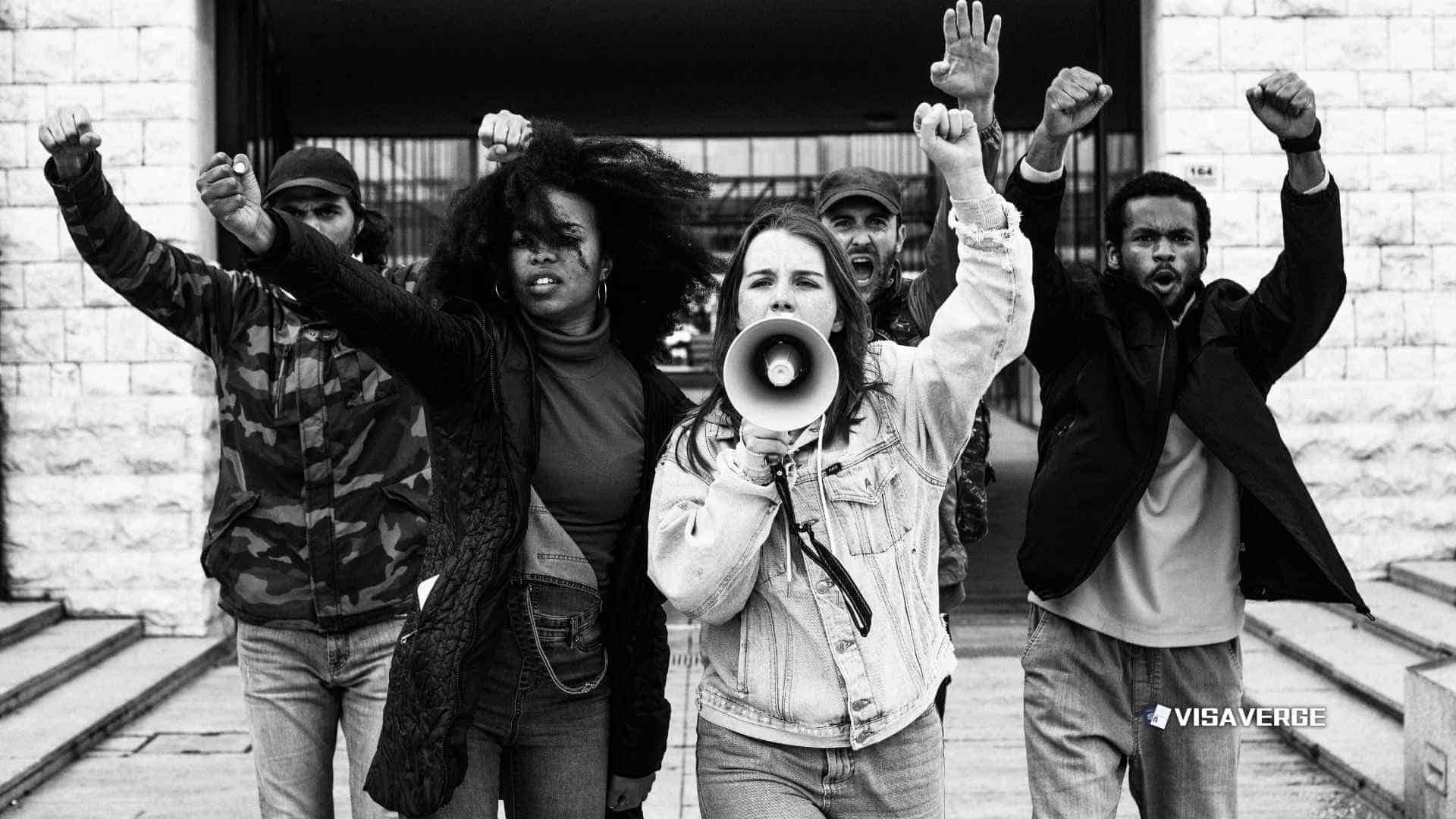
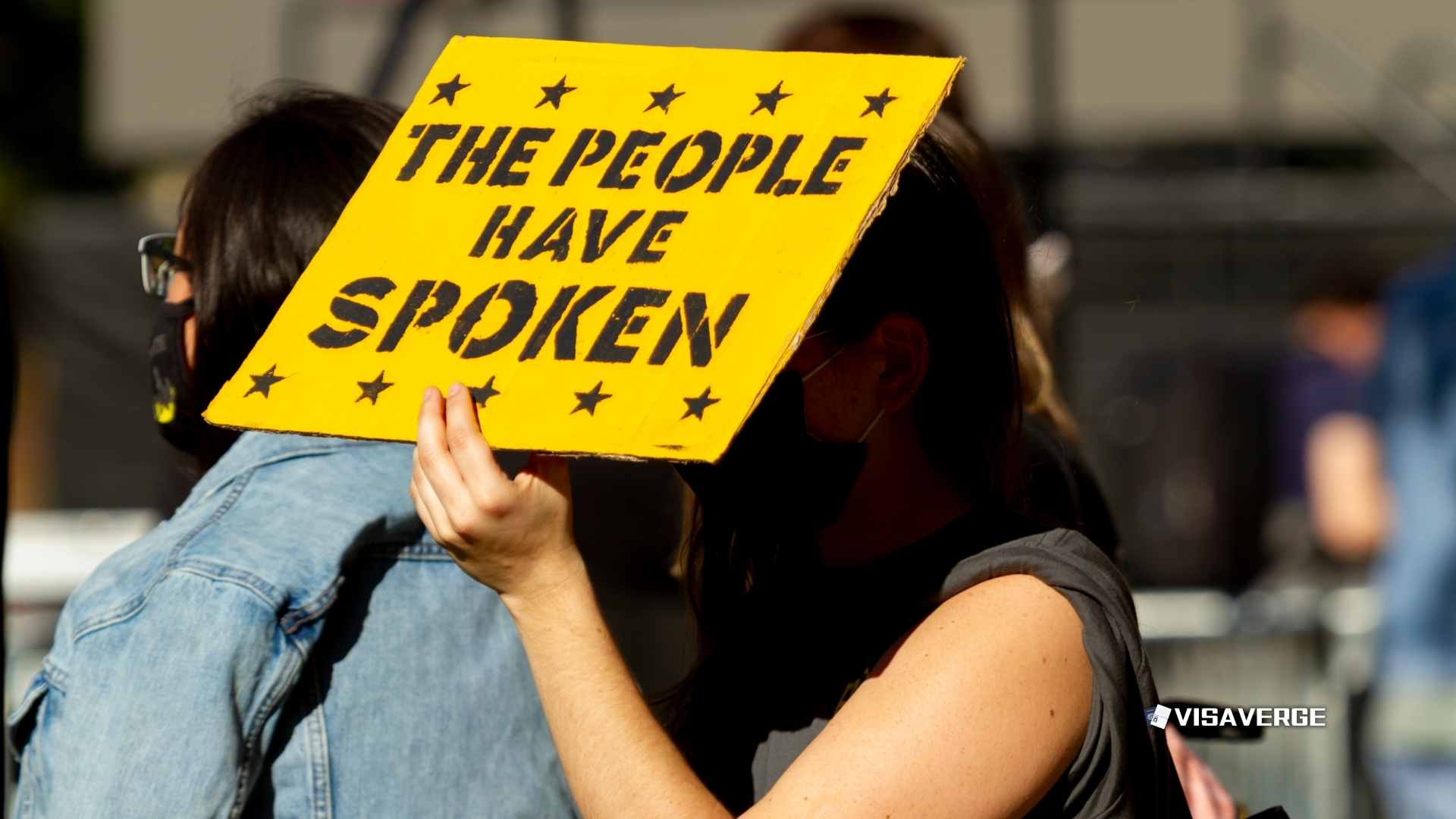
(CANBERRA) Pauline Hanson joined large crowds in the capital on Sunday as the “March for Australia” rallies swept across major cities, drawing thousands who called for sharp cuts to what organizers described as “mass migration.” The events, held on August 31, 2025, spanned Canberra, Melbourne, Sydney, Brisbane, Townsville, and Adelaide. Hanson addressed supporters at Commonwealth Park before marching to Parliament House, repeating her long-held anti-immigration message and telling the crowd, “If you don’t love it, I’ll be the first one to take you to the airport and put you on a plane.”
Hanson, the One Nation leader, stood alongside party figures, including Senator Malcolm Roberts in Canberra. In Townsville, Katter’s Australia Party leader Bob Katter spoke at a parallel “March for Australia” rally with MPs Robbie Katter and Nick Dametto. Participants waved Australian flags, chanted “love it or leave,” and echoed “Aussie, Aussie, Aussie, oi, oi, oi,” underscoring a nationalist mood that energized supporters and alarmed many multicultural groups.

While organizers insisted the rallies focused on policy rather than race, the events drew far-right interest. In Melbourne, neo-Nazi figure Thomas Sewell and members of the Nationalist Socialist Network appeared at the gathering. Official “March for Australia” organizers publicly distanced themselves from such groups, but their presence fueled criticism from government and opposition leaders who warned against hate and intimidation toward migrant communities.
Free toolUSCIS Receipt Number DecoderPolicing, Clashes and Public Safety
Police presence was heavy in several cities. Authorities said the aim was to protect public safety and keep rival groups apart. Officers formed lines, closed roads, and monitored social media for possible flashpoints. In Melbourne, clashes between anti-immigration activists and counter-protesters intensified as the afternoon wore on, prompting officers to use pepper spray.
- Victoria Police reported at least six arrests in Melbourne for offenses including assaulting police, riotous behavior, attempted robbery, and resisting police.
- In Sydney, police made one arrest for breaching the peace; no charges were laid.
- South Australia Police said three arrests were made in Adelaide and described the demonstrations as “safely and without major disruption.”
Officers in multiple jurisdictions warned they remain on alert for further protests and potential clashes as the migration debate hardens.
In Canberra, Hanson’s speech at Commonwealth Park drew a dense crowd before the march to Parliament House. Police monitored the route and guided traffic away from the procession. Officers said their top goal was to ensure participants and bystanders could move freely without fear, even as heated arguments broke out between opposing groups.
Important: Authorities urged people to follow police advice, avoid confrontation, and stay away from known protest routes during peak demonstration times.
Rally Message and Supporters’ Claims
The “March for Australia” banner connected rallies across cities under a shared message: reduce current migration levels. Speakers cited rising housing prices, longer hospital waits, and strained public transport as reasons to slow intake. Many protesters insisted they were not opposed to all immigration, but wanted a lower cap and tighter vetting.
According to analysis by VisaVerge.com, this framing has become a central theme in recent conservative rallies, which often present migration settings as a pressure point for cost-of-living concerns.
Policy Context and Political Reactions
The rallies followed two years of higher migration intake as Australia sought to address labor gaps and boost recovery after the pandemic. Protesters argued housing shortages and packed infrastructure are proof intake is too high. Economists counter that domestic supply constraints and planning rules play a larger role in housing costs, and note labor shortages persist in sectors like healthcare, aged care, and construction where migrants help fill hard-to-staff roles.
- The federal government had not announced any immediate changes to migration policy as of August 31, 2025.
- A review of migration settings is expected in the coming months, with possible updates before the end of 2025.
- Ministers say they are weighing workforce needs, housing supply, and the long-term benefits of a steady intake.
Cabinet Minister Murray Watt condemned the rallies’ extremist elements and warned against hatred and division, pointing to the visible presence of neo-Nazi groups at some events as unacceptable.
From the opposition:
– Liberal Senator James Paterson acknowledged genuine public concerns about migration levels but condemned targeting multicultural communities and extremist involvement.
– Opposition Deputy Leader Sussan Ley urged people not to let fear and anger damage social cohesion, stressing debate should not become an excuse for abuse or threats toward migrants and refugees.
Impact on Migrant Communities and Services
The public was split: one side worried about housing and costs, the other strongly supported multicultural life. These rallies—among the largest since the pandemic—reflect deeper anxiety about affordability.
Community groups reported:
– Migrant families avoiding public spaces during rallies.
– International students staying home on demonstration days.
– An increase in hotline calls to migrant support services after high-profile rallies.
Advocates urged calmer language from leaders, clear communication, and stronger enforcement against harassment. They also asked media outlets to distinguish between fair policy criticism and messaging that targets people for their background.
Practical Safety Advice for Visa Holders and Applicants
Officials stressed there was no change to visa rules as a direct result of the rallies. Those applying for skilled, student, family, or humanitarian visas should continue to follow existing rules and timelines. The Department of Home Affairs maintains the latest information on visa categories, eligibility, fees, and processing times; readers can check updates at the Department of Home Affairs.
Recommended safety steps:
1. Avoid known protest routes and times when tensions are high.
2. If a confrontation starts, leave the area and seek a well-lit public space.
3. Report threats or violence to local police and keep evidence if safe to do so.
4. Seek help from community or university support services if you feel targeted.
Political Consequences and Next Steps
The presence of neo-Nazi figures at some events added moral weight to the political response. Government ministers said the mix of mainstream activists and extremist groups threatens peaceful expression and can attract people who seek confrontation. Organizers moved to distance themselves, saying their focus was on policy, but optics risked overshadowing their message—especially in Melbourne where pepper spray use and arrests dominated headlines.
Officials noted that intake planning involves long lead times linked to:
– Workforce forecasts
– University enrollments
– State-level housing plans
– International relations
Any policy change would likely come with advance notice to employers, universities, and state governments. That slow pace frustrates activists pushing for steep cuts and those calling for stability to enable planning.
Business and university leaders argue for a steady pipeline of skills and tuition income to stay competitive. Critics counter that benefits must be matched with real investment in housing and services, not just increased intake.
VisaVerge.com reports the upcoming review of migration settings could define the tone of 2026 politics, particularly if it adjusts caps or student and work pathways.
Closing Observations
As the day ended, police said streets were calm, even in cities where arrests were made. But the argument over migration is far from settled. In the weeks ahead, attention will shift from chants to policy detail—and to whether leaders can address housing and service gaps without turning neighbors against each other.
For many migrants, the hope is simple: a fair process, steady rules, and a country where debate stays civil, even when the topic is migration numbers and who gets to call Australia home.
This Article in a Nutshell
On August 31, 2025, coordinated “March for Australia” rallies drew thousands across six major Australian cities, led in Canberra by One Nation’s Pauline Hanson. Organizers demanded cuts to what they called ‘mass migration,’ linking intake to housing strain, hospital waits and transport pressure. Some rallies attracted far-right and neo-Nazi-linked figures, notably in Melbourne, prompting condemnation from government ministers and opposition leaders. Police across cities enforced heavy security; Melbourne recorded at least six arrests and use of pepper spray. The federal government announced no immediate policy shifts, but a review of migration settings is expected before the end of 2025. Community groups reported migrant families avoiding public areas and increased support-line calls. The protests intensify public debate on migration, balancing workforce needs in sectors like healthcare and construction against housing and infrastructure concerns, while officials urged calm, clearer messaging and stronger enforcement against hate.