A Pasco man, Jose Martinez, age 32, was sentenced on March 27, 2025, to over 10 years in federal prison for fentanyl trafficking and attempted assault on a police officer. The sentencing took place in the Eastern District of Washington, with Chief U.S. District Judge Stanley Bastian presiding. Martinez’s case has drawn attention due to the large amount of fentanyl involved and the violent nature of the arrest, but there is no credible 2025 reporting that he had been deported three times before this sentencing.
Key Facts and Sentencing Details
Free toolUSCIS Receipt Number Decoder
- Jose Martinez, a Pasco man, received a sentence of 125 months (over 10 years) in federal prison, followed by five years of supervised release.
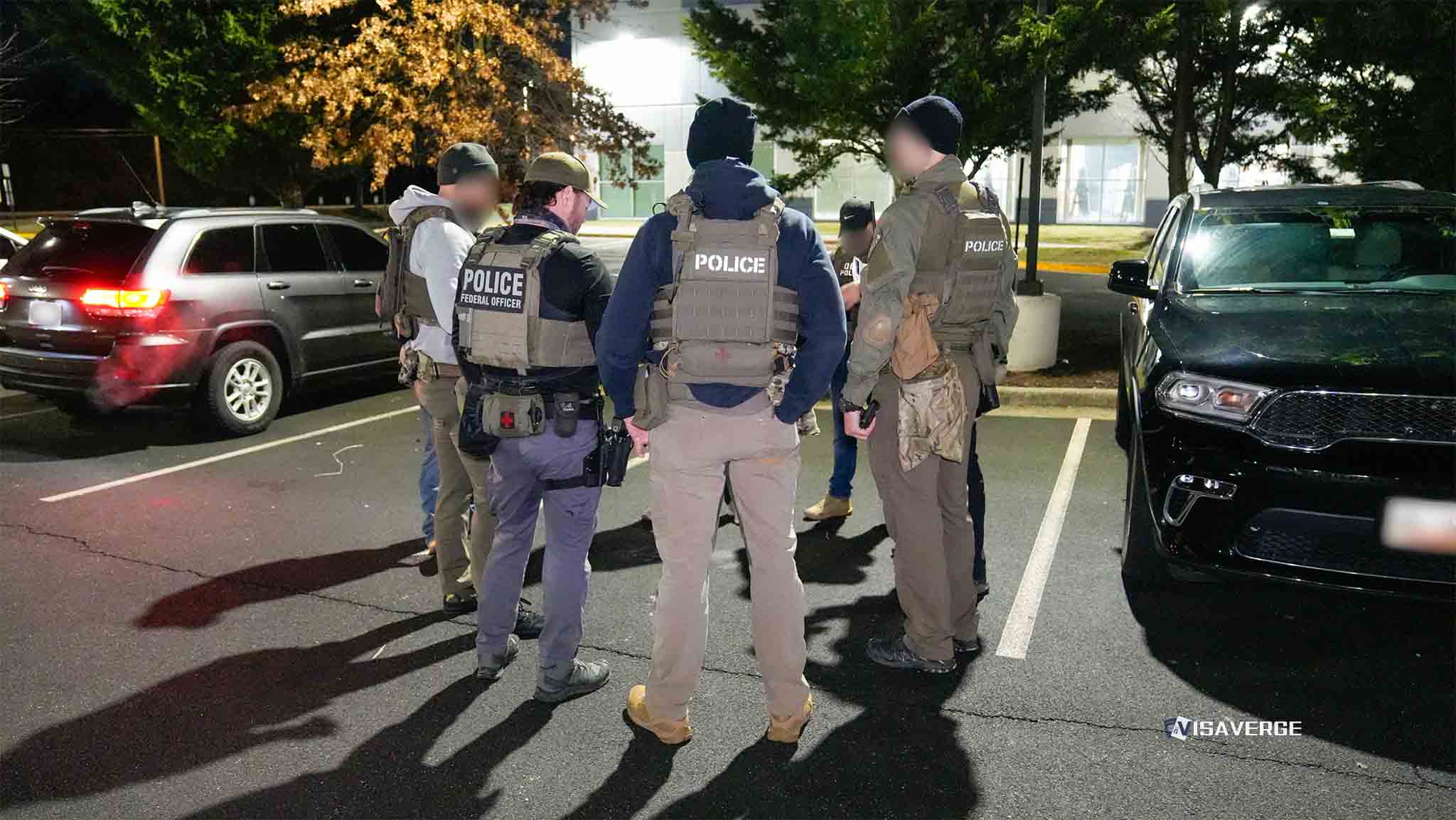
- The case began with a disturbance call in Richland, Washington, on May 20, 2022. Martinez attempted to assault a police officer during the incident.
- Police found a 9mm handgun on Martinez, even though he was not allowed to have a gun due to a past domestic violence conviction.
- A search led to the discovery of another handgun, 10,179 fentanyl pills, $72,354 in cash, methamphetamine, and several cell phones.
Law Enforcement and Prosecution
Acting U.S. Attorney Richard Barker highlighted the risks posed by domestic violence offenders and large-scale fentanyl trafficking. He praised the teamwork between local police and federal agencies in reducing drug distribution in the region. The Richland Police Department led the initial investigation, and the U.S. Attorney’s Office for the Eastern District of Washington prosecuted the case.
No Evidence of Prior Deportations
Despite some rumors, all 2025 news and official press releases focus on Martinez’s drug trafficking, weapons charges, and attempted assault. There is no mention of any prior deportations or immigration violations in these reports. Recent Department of Justice releases also do not reference any deportation history or immigration enforcement actions related to Martinez.
Policy Context and Immigration Enforcement
The Trump administration’s 2025 immigration policies have increased enforcement and sped up removals for undocumented immigrants. However, these changes are not connected to Martinez’s case. His prosecution and sentencing were handled as federal drug and firearms offenses, not as immigration violations. According to analysis by VisaVerge.com, cases like this are prosecuted based on criminal conduct, not immigration status, unless there is clear evidence of immigration violations.
Implications for Martinez and the Community
- Martinez will serve his sentence in federal prison, followed by five years of supervised release.
- During supervised release, he will face strict rules, such as limits on travel and who he can associate with.
- If Martinez is not a U.S. citizen, federal law usually requires removal proceedings after serving time for serious crimes like drug trafficking. However, there is no official confirmation of his citizenship or immigration status in current sources.
Broader Impact and Future Outlook
This case highlights ongoing federal efforts to fight fentanyl trafficking, which remains a top priority in Eastern Washington and across the United States ??. The intersection of domestic violence and firearms offenses is also a growing concern for prosecutors. For more details on federal sentencing and supervised release, readers can visit the U.S. Department of Justice’s official website.
Martinez’s case serves as a reminder of the serious consequences of drug trafficking and violent crime, with no direct link to current immigration enforcement policies.
Learn Today
Federal prison → A facility where individuals convicted of federal crimes serve their sentences under federal authority.
Fentanyl trafficking → The illegal distribution or sale of fentanyl, a potent synthetic opioid linked to many overdoses.
Supervised release → A period of monitoring and restrictions after prison to ensure lawful behavior in the community.
Domestic violence conviction → A criminal record involving abusive behavior toward a partner or family member, restricting gun ownership.
Attempted assault → An unsuccessful or incomplete attempt to physically attack or harm another person, often a crime charge.
This Article in a Nutshell
Jose Martinez from Pasco received over 10 years in federal prison for trafficking fentanyl and assault. No deportation evidence links to his sentence. Authorities seized thousands of fentanyl pills and firearms during his arrest. This case highlights federal efforts against drug trafficking and violent crimes in Eastern Washington.
— By VisaVerge.com