Key Takeaways:
- Pakistan abolishes visa requirements for businesspersons from six GCC countries, aiming to boost investment, business, and tourism.
- Visa reforms include online fast-tracking, fee exemptions, and special facilities, enhancing Pakistan’s appeal for foreign investment and tourism.
- Expected benefits: increased foreign direct investment, job creation, technology transfer, stronger business ties, and boosted tourism revenue.
What is Pakistan’s New Visa Policy for Gulf Businesspersons?
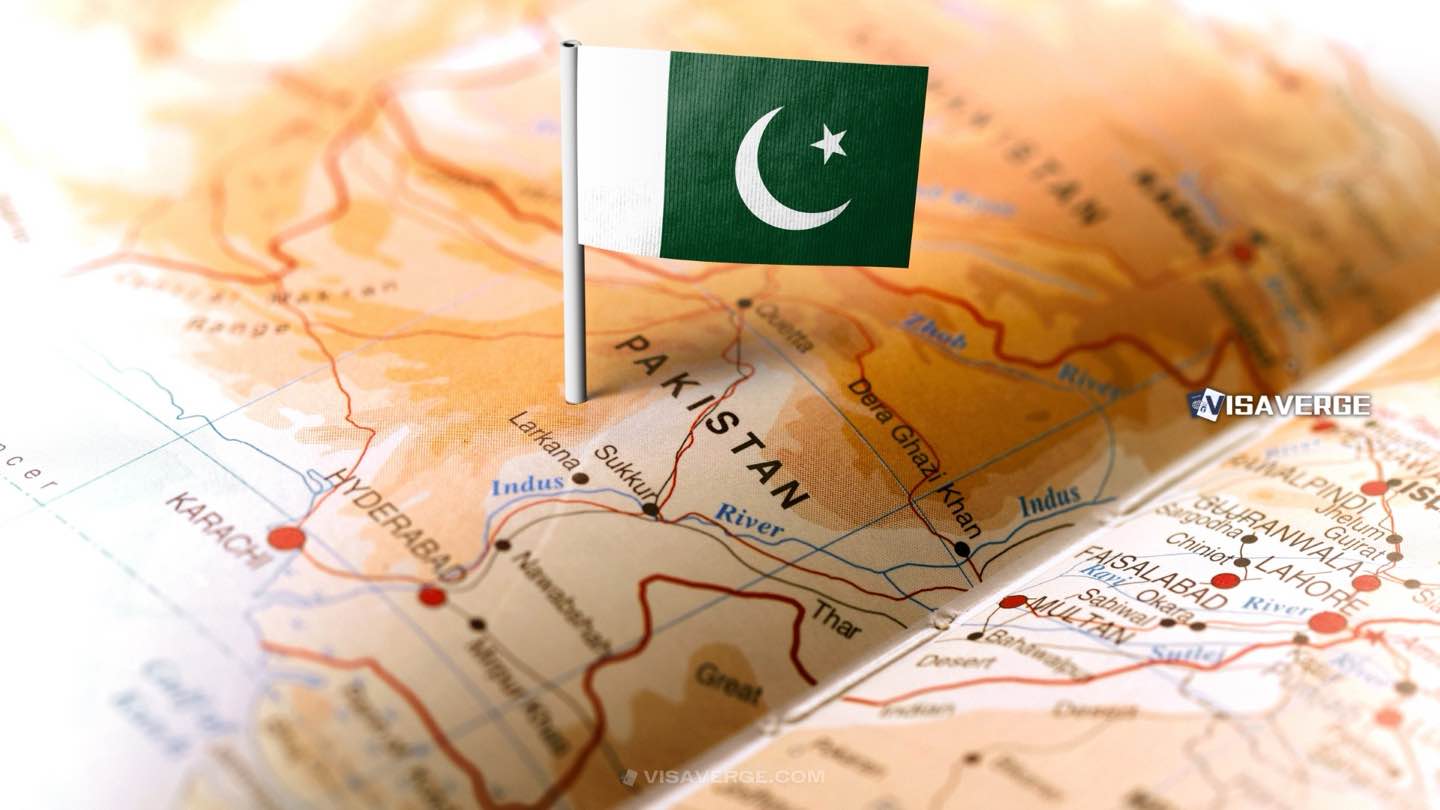
On July 29, 2024, Pakistan made a major announcement by Prime Minister Shehbaz Sharif that signifies a pivotal move in its economic diplomacy. The country has abolished visa requirements for businessmen from Gulf Cooperation Council (GCC) countries. This change is part of a broader initiative aimed at sparking foreign investment, promoting business activities, and boosting tourism in Pakistan.
This visa-free entry policy specifically targets businesspersons from six GCC member states: Saudi Arabia ??, the United Arab Emirates ??, Qatar ??, Kuwait ??, Oman ??, and Bahrain ??.
Why Abolish Visas for Gulf Businesspersons?
The primary goal behind this decision is to simplify business travel and strengthen economic ties between Pakistan and gulf nations. According to VisaVerge.com, this move is expected to make business interactions smoother, ushering in new trade opportunities and investment projects.
Moreover, the policy fits into Pakistan’s broader visa reform strategy, which includes:
1. Online visa issuance within 24 hours for businessmen, investors, and tourists from 126 countries.
2. Visa fee exemption for traders and tourists from these countries.
3. Special visa-on-arrival facilities for Sikh pilgrims holding passports from third countries.
4. E-gates implementation at major airports in Karachi, Lahore, and Islamabad.
These measures are designed to make Pakistan a more attractive destination for both foreign investment and tourism.
How Will This Policy Benefit Pakistan’s Economy?
This visa-free entry for Gulf businesspersons is poised to have several positive impacts on the Pakistani economy.
Enhanced Foreign Direct Investment (FDI)
How Will Visa Abolition Attract FDI?
Removing visa barriers is likely to attract substantial foreign direct investment from Gulf countries. Here’s how this could benefit Pakistan:
- Economic Growth: Increased FDI is anticipated to boost GDP growth rates.
- Job Creation: New investments often lead to direct and indirect job opportunities for locals.
- Technology Transfer: International businesses can introduce advanced technologies and practices, aiding in the modernization of various sectors.
Strengthened Business Ties
What Improvements Can We Expect in Business Relationships?
The new visa policy is designed to cultivate stronger business ties between Pakistan and GCC countries:
- Increased Trade Volume: Simplified travel for businesspersons will likely lead to more frequent business interactions, boosting bilateral trade.
- Economic Diversification: Strengthened business relationships may encourage a diversification of Pakistan’s economy, lessening its reliance on traditional sectors.
- Knowledge Exchange: Regular interactions can foster valuable knowledge-sharing and skills enhancement across different industries.
Boosted Tourism
How Does the Policy Affect Tourism?
While primarily focused on businesspersons, the comprehensive visa reform package is expected to have a significant impact on tourism:
- Increased Revenue: Wealthy visitors from Gulf countries could significantly boost tourism revenue.
- Infrastructure Development: Increased tourism may spur the need for better transportation, hospitality, and related infrastructure.
- Job Creation in Services: The tourism industry can create jobs in hospitality, transportation, and related service sectors.
Improved Regional Connectivity
Can This Policy Enhance Regional Ties?
The visa-free entry initiative is likely to enhance regional connectivity:
- Strategic Partnerships: Tighter ties with GCC countries can translate into strategic economic and political partnerships.
- Regional Economic Integration: Easier movement for businesspeople can lead to enhanced economic integration in the region.
- Increased Remittances: Stronger ties might indirectly benefit Pakistani expatriates in GCC countries, potentially boosting remittances.
Foreign Exchange Inflows
How Will the Policy Affect Foreign Exchange Reserves?
The new visa policy is anticipated to positively impact foreign exchange reserves:
- Increased Inflows: Enhanced business and tourism activities with GCC countries are likely to bring in more foreign currency.
- Balance of Payments Improvement: Strengthened trade and investment relationships can help improve Pakistan’s balance of payments.
Challenges and Considerations
Are There Any Potential Challenges?
While the benefits of this policy are notable, there are several challenges to consider:
- Infrastructure Readiness: Pakistan must ensure its infrastructure can support the increase in business and tourism activities.
- Security Concerns: Maintaining high levels of security is crucial for the sustainability of this policy.
- Consistency in Economic Policy: Long-term success will depend on maintaining consistent and favorable economic policies.
Monitoring the Impact
To ensure effective implementation and monitoring, the government is setting up a dashboard at the Ministry of Interior. This tool will oversee visa-free entry, business visa lists, and tourist visas on arrival, providing regular review reports to relevant authorities.
Contextual Economic Background
Current Economic Situation
The timing of this visa reform is critical as Pakistan is addressing a prolonged economic crisis. Recently, Pakistan secured a $7 billion loan deal with the International Monetary Fund (IMF) to bolster macroeconomic gains achieved over the past year.
Economic Improvements
During this period, Pakistan has seen some stabilization in its economic indicators:
– Boosted Foreign Exchange Reserves: The reserves have shown improvements.
– Reduced Inflation: Inflation has dropped from a peak of 38% to just over 12%.
– Economic Diplomacy: The government has ramped up efforts in economic diplomacy regionally.
Long-term Economic Stability
The cumulative benefits of this visa policy could contribute to long-term economic stability. By attracting investment, fostering business ties, enhancing tourism, and improving regional connectivity, this initiative can play a significant role in Pakistan’s economic growth and stability.
Conclusion
In summary, abolishing visas for businesspersons from Gulf Cooperation Council (GCC) countries is a bold step by Pakistan towards strengthening its economic ties and boosting its economy. The policy promises to attract significant foreign direct investment, enhance trade, and boost tourism. This measure, along with other visa reforms, is a strategic move designed to place Pakistan on the global map as an attractive destination for business and tourism.
As Pakistan rolls out these visa reforms, it will be crucial to monitor their impact on various economic indicators, including foreign investment inflows, tourism revenue, and overall economic growth. Effective implementation and addressing potential challenges will be key to the long-term success of this initiative.
For more information on this new visa policy and its implementation, you can visit the Government of Pakistan’s official website.
Learn Today:
Glossary of Immigration Terms
1. Gulf Cooperation Council (GCC)
A regional political and economic union consisting of six Middle Eastern countries: Saudi Arabia, the United Arab Emirates, Qatar, Kuwait, Oman, and Bahrain.
2. Foreign Direct Investment (FDI)
An investment made by a company or individual in one country into business interests located in another country. This can include establishing business operations or acquiring tangible assets such as, real estate or infrastructure.
3. Visa-Free Entry
A policy allowing individuals from certain countries to enter and stay in a country for a certain period without needing to obtain a visa in advance. This policy simplifies travel and promotes cross-border activities.
4. Visa-on-Arrival
A type of visa that can be obtained upon entering the destination country rather than prior to departure. For specific travelers, this allows immediate issue of necessary entry permission at the entry point such as an airport.
5. E-gates
Automated border control gates that use biometric data for identity verification. These are designed to speed up the immigration process for travelers at airports, increasing efficiency and security.
This Article In A Nutshell:
On July 29, 2024, Pakistan removed visa requirements for Gulf Cooperation Council (GCC) businesspersons. This measure aims to facilitate travel, attract foreign investment, and increase business activities. Gulf nations include Saudi Arabia, UAE, Qatar, Kuwait, Oman, and Bahrain. The new policy is part of broader economic reforms to boost tourism and trade.
— By VisaVerge.com
Disclaimer: The information provided in this article is for informational purposes only. If you reference or use any content from this article, please attribute it to VisaVerge.com by including a link to the original source. We appreciate your adherence to our content usage policies and your commitment to giving proper credit.
Read more
- Pakistan Visit Visa Rules: UAE’s Warning to Travelers
- Understanding the Kyrgyzstan Mob Attack on Indian and Pakistani Students
- India Grants Citizenship to Immigrants from Pakistan, Afghanistan, and Bangladesh
- Pakistan e-Passports: New Biometric Features and Fee Guide
- Pakistan International Airlines Bans Fasting for Crew During Ramzan for Safety – PIA Update