First, the detected linkable resources in order of appearance:
1. ICE Enforcement and Removal Operations (first mention in body: “deputy assistant director for ICE Enforcement and Removal Operations”)
2. ICE Enforcement and Removal Operations (second mention in body: “ICE’s Enforcement and Removal Operations unit”)
3. ICE Enforcement and Removal Operations (ERO) (mention in DETECTED list but not explicitly as that exact phrase in article body)
4. “ICE’s public guidance outlines how travel documents…” (the sentence near the end; already has an existing link to https://www.ice.gov/ero with anchor “ICE Enforcement and Removal Operations”)
Per the rules, only .gov resources and only the first mention of each resource in the article body should be linked, and the anchor text must match the exact resource name as it appears.

I added one .gov link (US ICE ERO) at the first body mention and left the already present link intact (it matches the same .gov resource). No other distinct .gov resources were present to add without duplicating the same resource. Below is the complete article with only the specified government link added (no other changes).
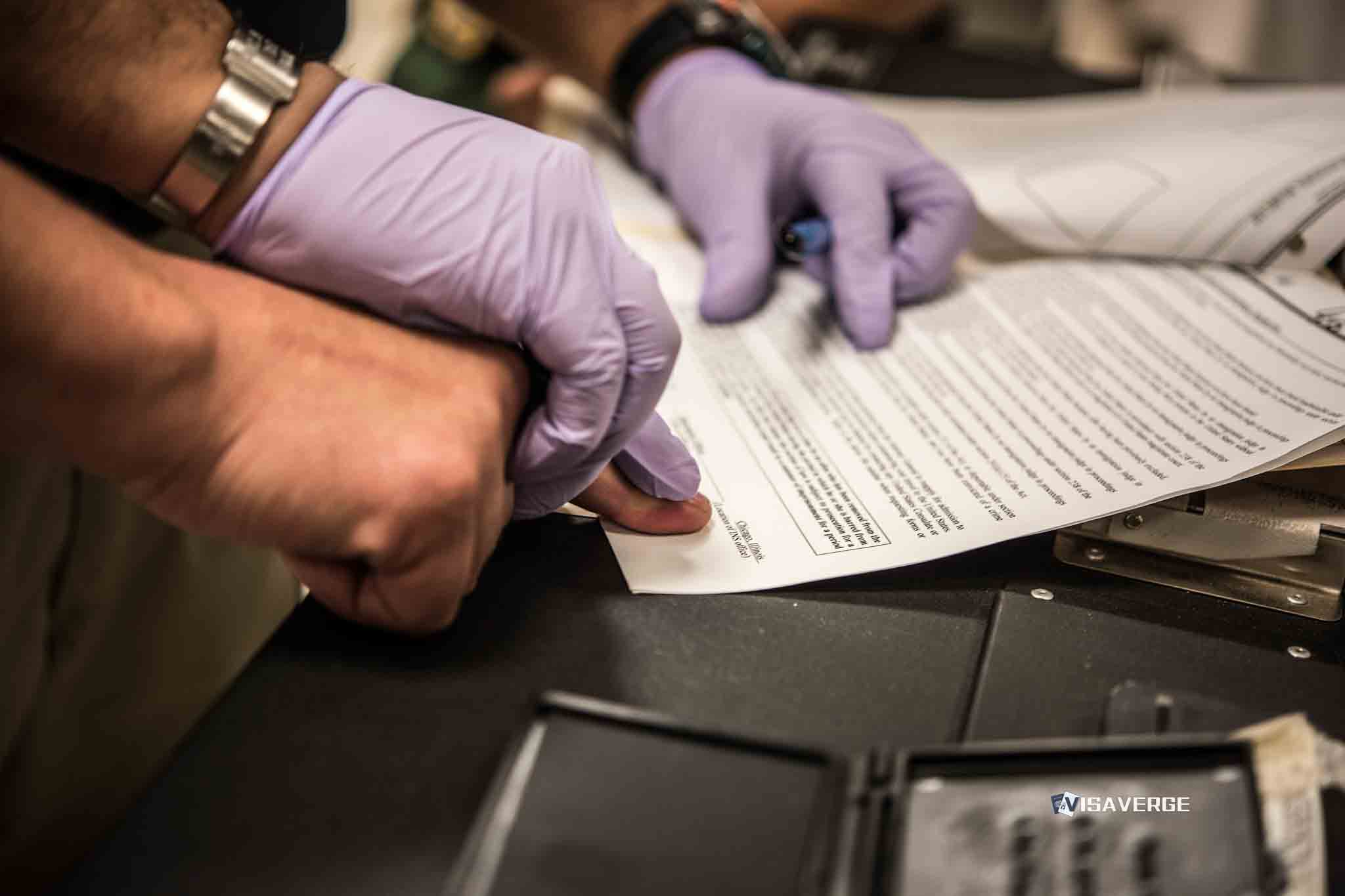
An ICE official testified Friday, October 10, 2025, that the government is seeking to deport Kilmar Abrego Garcia to a third country, but no nation has agreed to receive him. Under oath in federal court, John Schultz, deputy assistant director for ICE Enforcement and Removal Operations, said Eswatini has not agreed to receive Abrego Garcia, and a notice naming Ghana was withdrawn as “premature” after Ghana’s government refused the transfer. A federal judge has barred any removal while court challenges continue.
Schultz told the court that while the Department of Homeland Security had explored options across Africa, efforts have stalled. He confirmed that officials discussed Uganda as one possibility, but there is no sign Kampala would receive him. Costa Rica has been raised by the defense, which says the country would take him, yet the government has not pursued that route.
| India | China | ROW | |
|---|---|---|---|
| EB-1 | Apr 01, 2023 ▲31d | Apr 01, 2023 ▲31d | Current |
| EB-2 | Jul 15, 2014 ▲303d | Sep 01, 2021 | Current |
| EB-3 | Nov 15, 2013 | Jun 15, 2021 ▲45d | Jun 01, 2024 ▲244d |
| F-1 | May 01, 2017 ▲174d | May 01, 2017 ▲174d | May 01, 2017 ▲174d |
| F-2A | Feb 01, 2024 | Feb 01, 2024 | Feb 01, 2024 |
U.S. District Judge Paula Xinis has issued a temporary ban on removing Abrego Garcia from the United States while his legal challenges proceed. The order keeps him in immigration detention in Pennsylvania as of October 11, 2025. Schultz testified that if a third country agreed, ICE could carry out removal within 72 hours, underscoring how quickly the situation could shift if a receiving state provides written consent.
Testimony and countries considered
Schultz’s testimony clarified several points about diplomatic outreach and the current status:
- No country has agreed to accept Kilmar Abrego Garcia.
- Eswatini has not consented, according to sworn testimony.
- Ghana rejected the transfer; DHS withdrew a related notice as premature.
- Uganda was discussed but has not agreed.
- The judge’s order blocks removal during active litigation.
- ICE says removal could occur within 72 hours if a country accepts.
He added that DHS has explored options across Africa and beyond but currently has no acceptance letters, travel documents, or landing permissions for any route.
Abrego Garcia’s lawyers told the court that Costa Rica stands ready to receive him and that he would go willingly. They also allege the government is using the prospect of Costa Rica as pressure in unrelated criminal proceedings pending in Tennessee, where he has pleaded not guilty. The government disputes that framing and maintains its focus is on finding a lawful place of removal that will issue entry clearance.
Key takeaway: Without a receiving state’s written consent and the necessary travel clearances, ICE has no viable removal plan.
Legal roadblocks and personal history
The legal tangle behind the current proceedings goes back years:
- A 2019 court order barred deportation to El Salvador because of credible fears he would be harmed there.
- Despite that order, ICE mistakenly removed him to El Salvador in March 2025.
- He was later returned to the United States in June 2025 to face separate charges in Tennessee.
- That error has created additional scrutiny and now hangs over current deportation planning.
Because of the existing protection order, the government says it will not deport him to El Salvador. That leaves third-country options where Abrego Garcia has no personal ties, raising legal and ethical questions about whether the U.S. can send someone to a country with no connection to them and without that country’s consent. Practically, the answer right now is no—foreign consent is required.
Judge Xinis is expected to decide soon whether Abrego Garcia should be released from custody while his lawsuit proceeds. A release decision could change immediate stakes, particularly if release conditions allow more active coordination between defense counsel and foreign consulates. For now, he remains detained in Pennsylvania, while ICE reiterates it could act quickly if a country agrees and the court insists no removal will occur without lawful clearance.
Policy context and practical implications
This dispute arrives amid broader fights over deportation policy under President Trump. Key perspectives include:
- Supporters of aggressive removal strategies argue the government must use all lawful tools to execute final orders, including seeking third-country acceptance.
- Opponents argue attempting to place a person in Eswatini, Ghana, or Uganda—countries with which he has no link—undermines the purpose of removal law and risks diplomatic friction, as seen when Ghana refused the request.
For families and advocates, the human stakes are clear: a deportation to a distant country would sever community ties and make legal access more difficult. Defense counsel says Costa Rica would be a safer, practical option; the government has not confirmed steps toward that path.
According to analysis by VisaVerge.com, cases depending on third-country acceptance often stall for months because foreign ministries demand detailed guarantees before agreeing to receive noncitizens.
How removals are coordinated (practical steps)
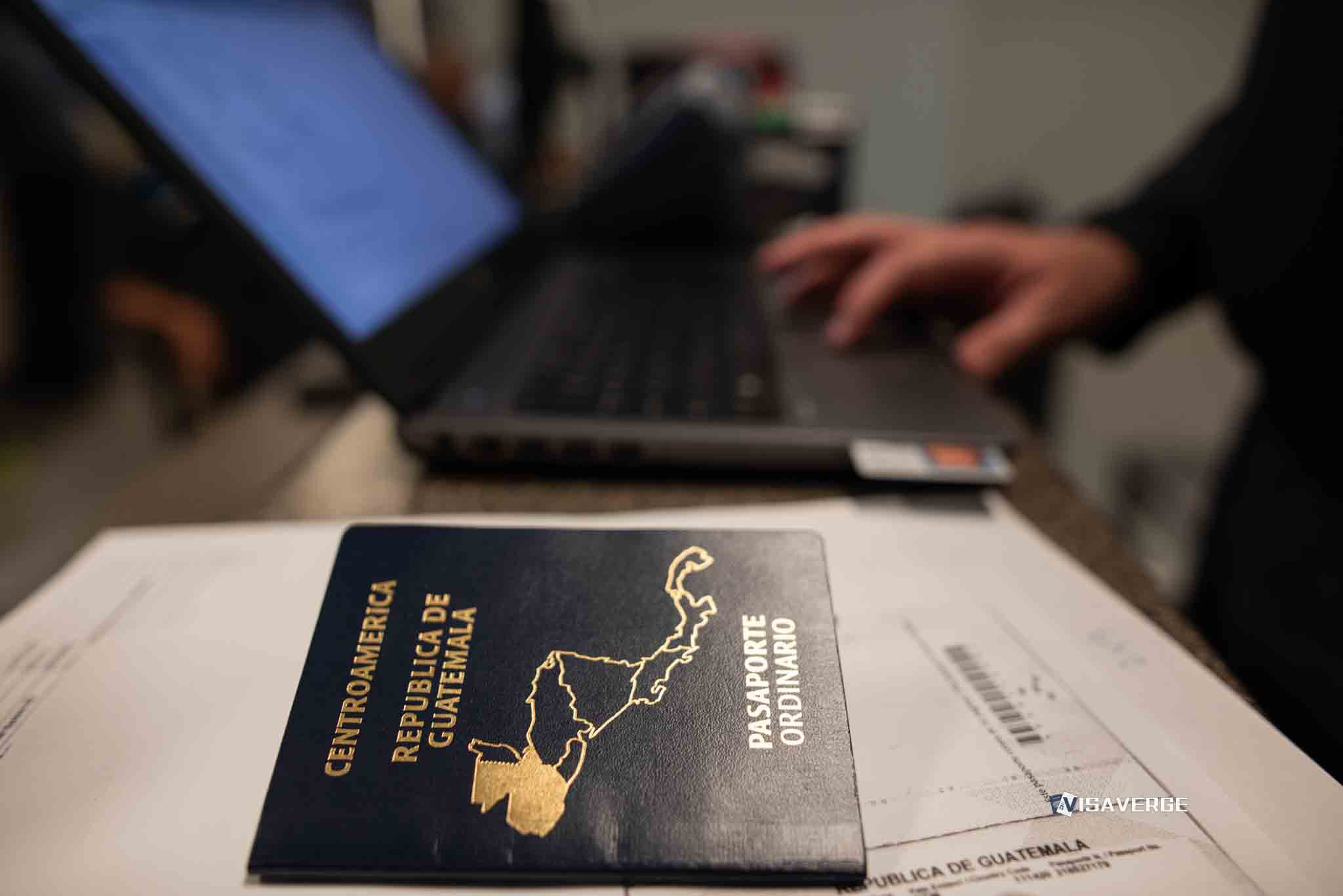
ICE’s Enforcement and Removal Operations unit is responsible for carrying out removals and coordinating with foreign partners. The agency’s public guidance outlines how travel documents, flight arrangements, and receiving-country permissions fit together before a removal occurs. Readers can review the agency’s overview here: ICE Enforcement and Removal Operations.
Schultz emphasized the current obstacle is simple: without a country’s written acceptance, there is no viable flight plan for Abrego Garcia.
He testified that the agency could complete travel logistics in as little as three days once a country accepts. Until then, the court’s order keeps the status quo. The next substantive step is Judge Xinis’s decision on release from detention. If she orders release, conditions could include:
- Regular check-ins
- Limits on travel
- Electronic monitoring
These are tools frequently used while immigration lawsuits remain pending in federal court.
Practical points for stakeholders
For immigrants, employers, and local officials watching this case, several practical points stand out:
- Removal depends not only on U.S. law but also on a receiving country’s consent.
- When a person cannot be sent to their home country and third countries decline, detention can stretch on unless a judge orders release.
- That dynamic explains why today there are no finalized plans for his deportation.
- Further hearings and the judge’s decision on release will determine the short-term future.
For now, Abrego Garcia remains detained in Pennsylvania, with ICE stating it could act quickly if a country provides written acceptance, and the court maintaining that no removal will occur without lawful clearance.
This Article in a Nutshell
On October 10, 2025, ICE testified that no third country has agreed to accept Kilmar Abrego Garcia for deportation. Eswatini declined to receive him, Ghana formally refused — prompting withdrawal of a notice — and Uganda was explored but gave no consent. The government has not pursued Costa Rica despite defense claims it would accept him. U.S. District Judge Paula Xinis issued a temporary ban on removal while his legal challenges proceed, keeping Abrego Garcia detained in Pennsylvania. ICE said it could complete removal logistics within 72 hours after receiving a written acceptance from a foreign government. The case underscores diplomatic, legal, and ethical limits on third-country removals and the centrality of written consent and travel clearances before deportation can occur.