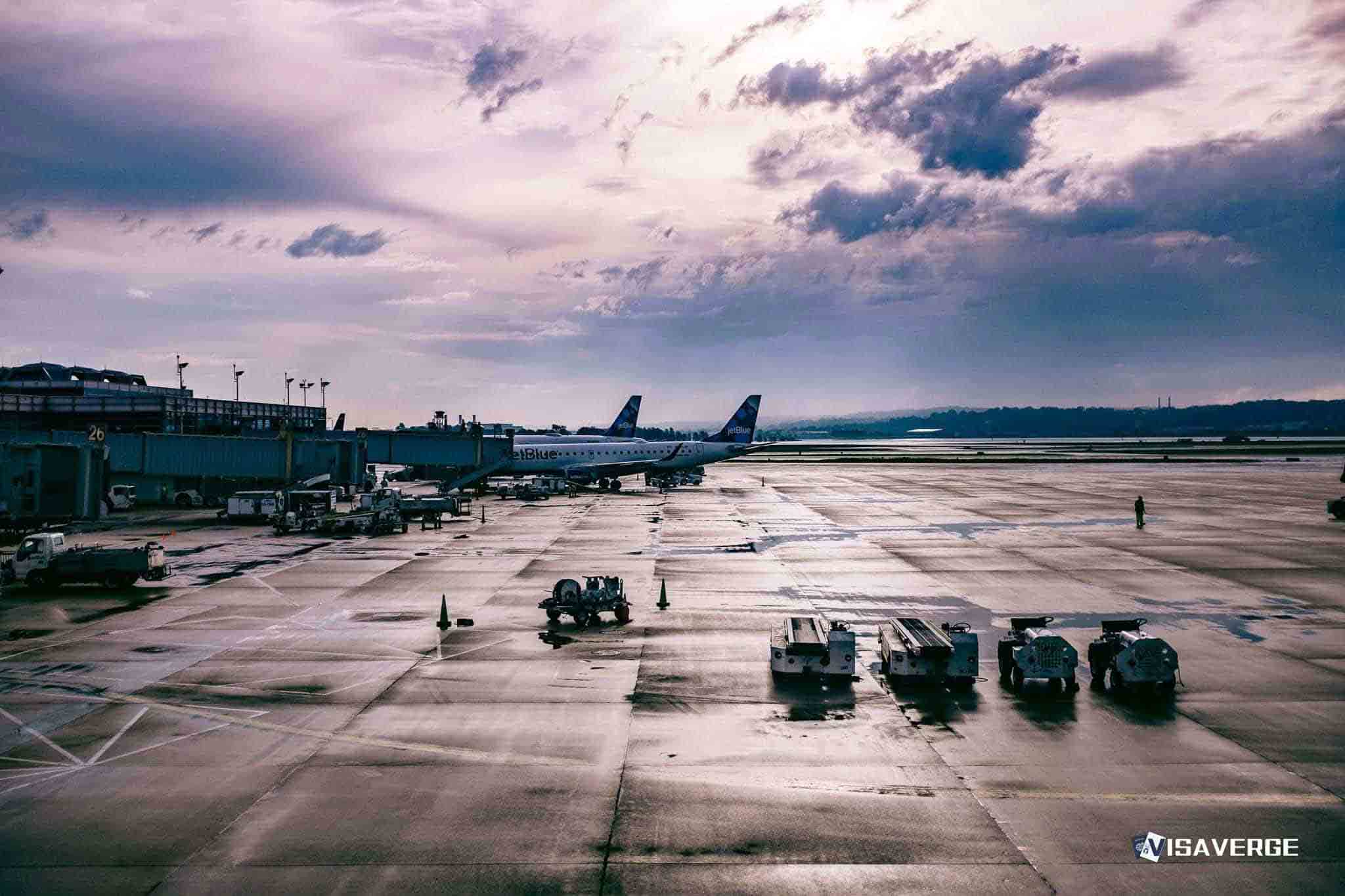
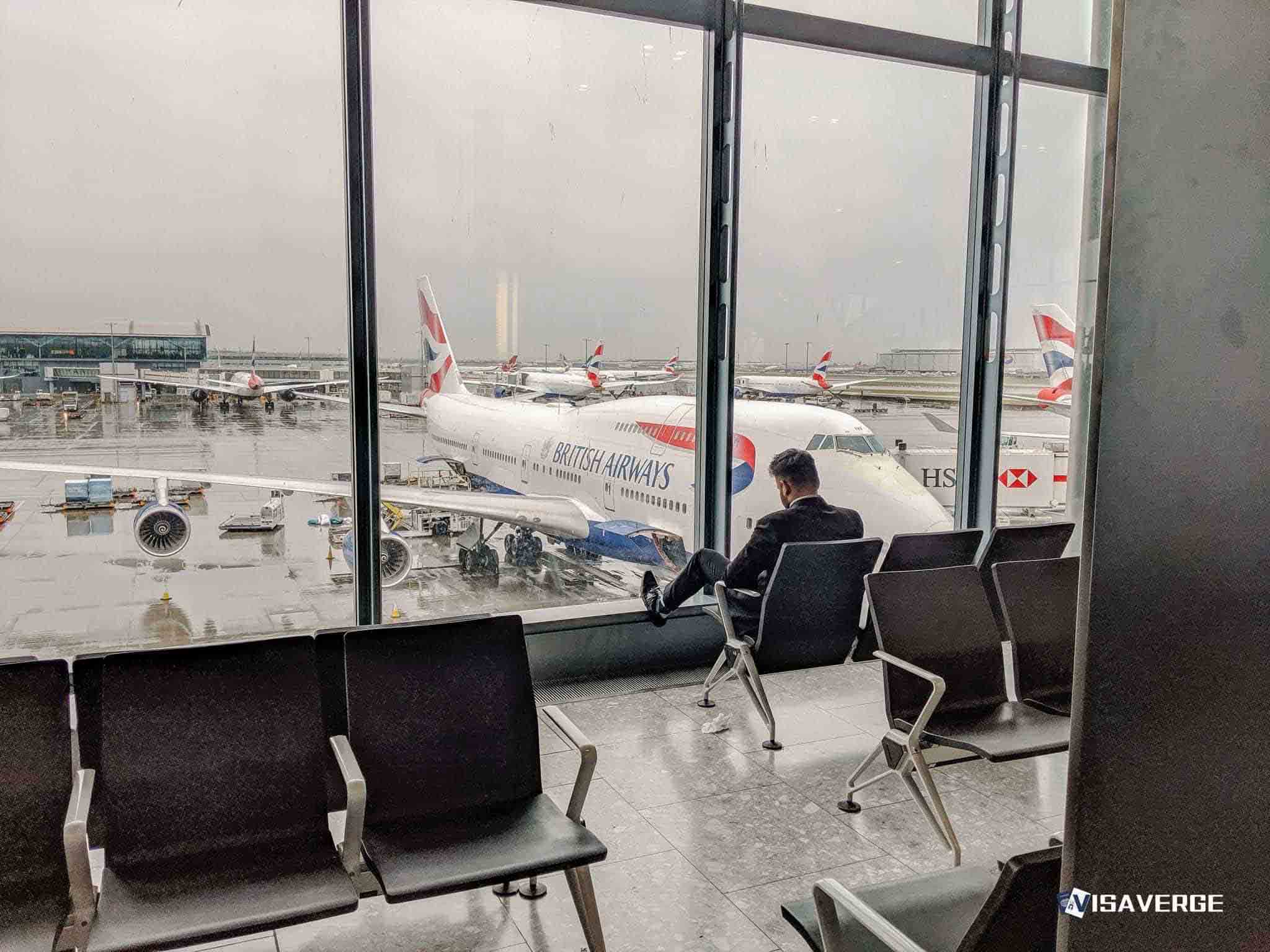
Reports that a “vital American airport” is set to “close for good” are wrong: no major airport in the United States 🇺🇸 is shutting down permanently. The Federal Aviation Administration is imposing temporary capacity cuts after the 2025 government shutdown strained staffing in air traffic control, according to details released through the National Airspace System and statements from the Transportation Department.
What the FAA has ordered and why
The FAA ordered domestic airlines to reduce scheduled flights at 40 high-volume airports last week.
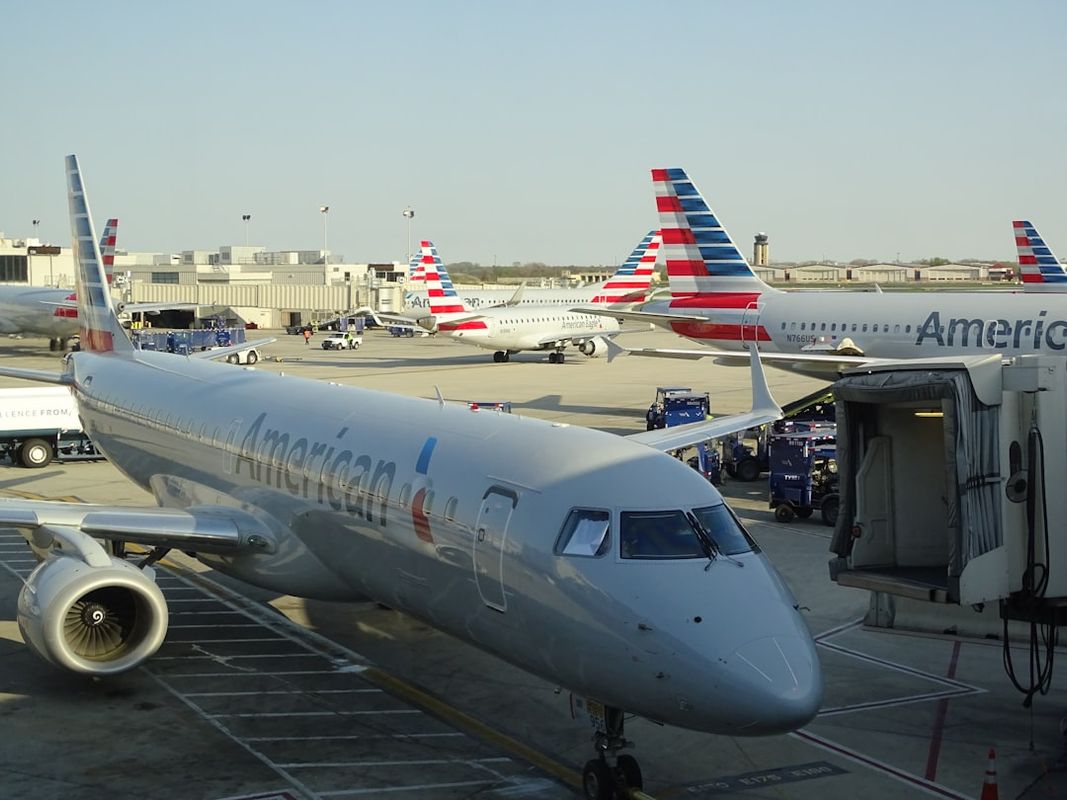
- The limits started with a 4% cut, tightened to 6% on Tuesday, and rose to 10% by Friday.
- Transportation Secretary Sean Duffy announced the 10% cuts on Wednesday.
These measures came as carriers and passengers faced cascading delays that, on airport departure boards, resembled crises usually tied to weather or security incidents.
“Absences and stress among air traffic controllers as a public safety concern.”
The FAA’s official trigger for the cuts is not a physical failure of runways or terminals but “absences and stress among air traffic controllers as a public safety concern.” Controllers, like many federal workers, have been working through the shutdown without pay, and the agency signaled that fatigue and sick-outs were affecting how many aircraft it could safely handle in peak periods.
Who is affected
Although restrictions are aimed at domestic carriers, the ripple effects touch travelers across borders and purposes:
- Permanent residents connecting to regional airports for naturalization interviews
- Foreign students returning from breaks
- International families transiting through U.S. airports
These travelers can be trapped by canceled legs or missed connections even when their documents are in order.
Scale of cancellations and operational impact
- Airlines have canceled more than 7,900 flights since Friday (per the source material).
- The FAA’s controls also blocked private flights and business jets at a dozen airports under separate restrictions.
Industry groups have warned business aviation competes for approach/departure slots with scheduled flights. The FAA’s action reflects a triage approach: reduce demand to match the number of controllers available so the system remains safe.
At several airports, cuts hit routes that feed larger hubs hardest. Airlines can protect long-haul flights by dropping short regional hops, which can:
- Stranded travelers who rely on one or two daily connections
- Force rebookings through unfamiliar airports
- Create extra overnight stays and additional ID checks at security
The FAA has not specified how long the flight limits will last; it ties them to controller availability.
Examples and clarification on “closures”
Operational logs show why the word “closure” can mislead. The National Airspace System reported temporary closures such as one affecting airport code 28 from 10:06 AM PDT to 3:00 PM PST on the 28th. That notice, however, was limited to “non-scheduled transient aircraft.” In plain terms, the airport was not closed to passengers; the FAA temporarily stopped a narrow slice of traffic types to keep workload manageable.
One specific case often cited in rumors: Portland International Jetport. It said normal operations had resumed after the FAA canceled its emergency order on November 17, 2025, according to the material provided. This episode underscores that emergency FAA orders can sound dramatic and disruptive, but they are often short-lived tools to reset traffic flows while staffing or weather conditions change.
Consequences beyond aviation
Immigration lawyers and community groups note that travel chaos can cause practical harms unrelated to flying:
- Missed biometrics appointments or consular interviews can require rescheduling that takes weeks
- Job start dates — especially in seasonal industries — may be jeopardized
- Some passengers are urged to travel with proof of status (e.g., passport with valid visa) because rebooking can push trips past document expiry dates
None of the source material cites a specific case tied to these December restrictions, but the pattern matches earlier rounds of mass cancellations in the United States 🇺🇸.
Political context and timeline
The shutdown remains the central driver. Recent legislative moves include:
- The Senate passed a bill to end the 42-day shutdown (described in the material as the longest in U.S. history) on Monday by a 60-40 vote, with support from five moderate Democrats.
- The measure still needs action in the House of Representatives.
- Speaker Mike Johnson called for an immediate return to government operations but scheduled the earliest House vote for Wednesday afternoon.
- President Donald Trump has expressed support for a quick reopening.
Why staffing shortages are hard to fix quickly
Air traffic controller staffing cannot be restored overnight:
- Controllers must qualify on specific equipment and airspace.
- The FAA’s hiring and training pipeline is lengthy, so absences cannot be replaced immediately.
- Even short staffing gaps can bottleneck travel corridors for days.
Where to monitor real-time restrictions
People tracking restrictions can check the FAA’s official National Airspace System status page, which posts advisories and ground stops as they happen, at: FAA NAS Status.
VisaVerge.com reports that misinformation about “airports closing forever” spreads fastest during a shutdown, when travelers already feel powerless and a single screenshot of a delay notice can look like a permanent policy.
Bottom line and current outlook
- The FAA’s 10% cut is a temporary ceiling, not an indication that any “vital” airport is being permanently abandoned.
- Even if Congress ends the shutdown this week, airlines may keep schedules light until crew and passenger confidence returns and the FAA confirms controller staffing levels are stable.
- The agency’s message remains: safety margins come first.
The FAA ordered phased flight reductions at 40 high-volume U.S. airports after the 2025 government shutdown caused controller absences and stress. Limits rose from 4% to 10%, prompting airlines to cancel over 7,900 flights and restricting some private jets. The measures are temporary, tied to controller availability, and aimed at preserving safety margins. No major U.S. airport is closing permanently; operations may normalize once staffing stabilizes and funding resumes.
Live Government Data
State Dept • CBPBusiest Border Crossings
- Nogales 150 min
- Nogales 120 min
- El Paso 95 min