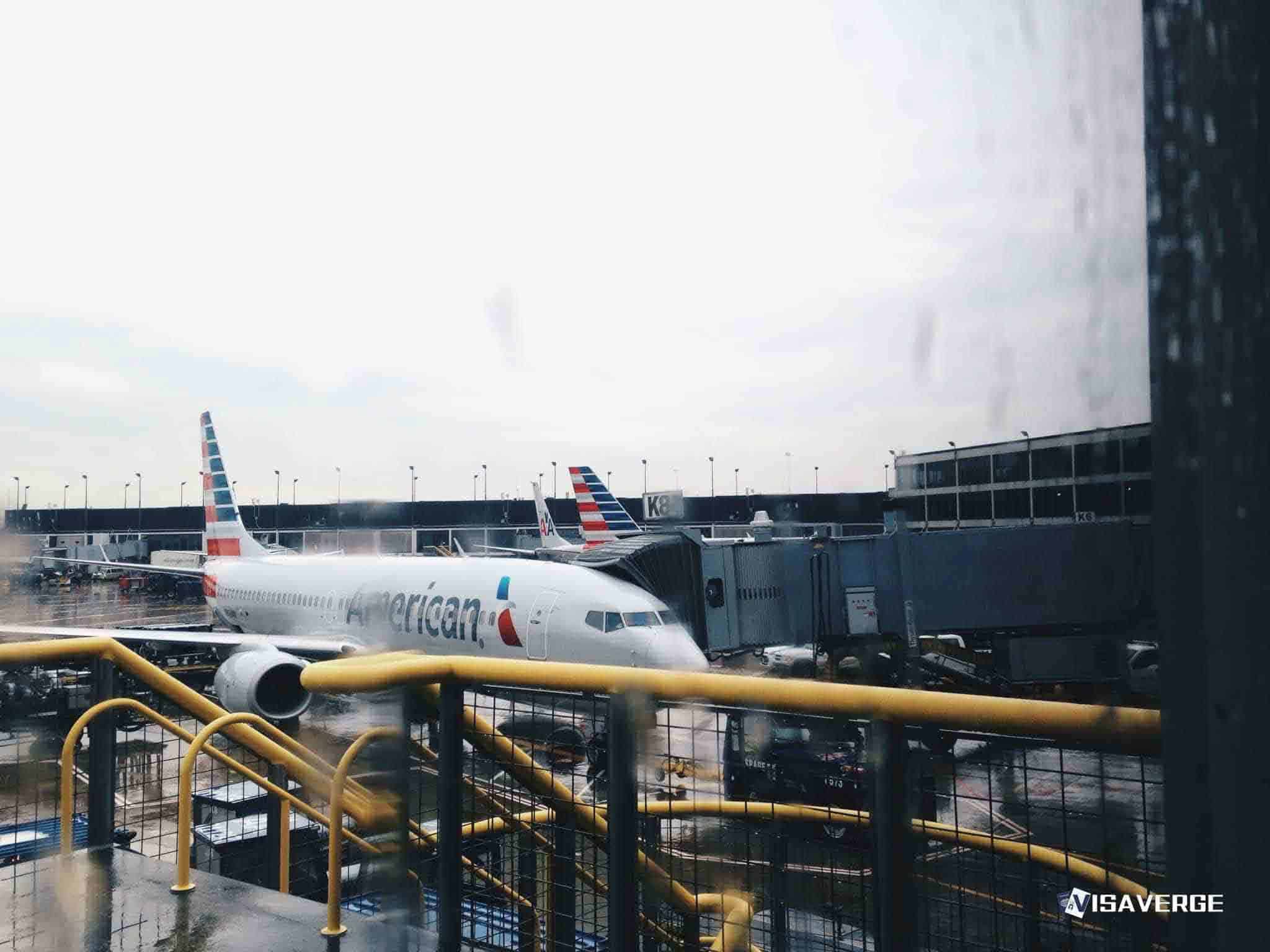
(NIGERIA) Nigeria will set up a national aircraft leasing company to help local airlines get newer planes on better terms, the Minister of Aviation and Aerospace Development, Festus Keyamo, said in early November 2025. The move is part of President Bola Tinubu’s aviation reform agenda and aims to ease pressure on carriers that struggle to secure aircraft from foreign lessors. Officials say it should also steady flight schedules for passengers who face frequent delays and cancellations.
The government plans to back the company with a sovereign guarantee to reassure lenders and reduce risk in cross-border deals. This guarantee is a central feature officials say will unlock wider access to modern fleets.

Purpose and minister’s rationale
Keyamo described the plan plainly: the new structure will stand between Nigerian airlines and international lessors so carriers no longer need to bargain alone.
“We want to put an aircraft leasing company in place, so that Nigerian airlines will not be the ones negotiating with the world,” he said.
“The airlines don’t need to walk around the world looking for aircraft. Government must take care of that responsibility.”
He added urgency: “We’ll be knocking on the doors of aircraft lessors and manufacturers very soon to talk business. We are here to support the local airlines.”
Structure: public-private partnership and capital pooling
Officials say the leasing vehicle will operate as a public-private partnership (PPP). Key features:
- Capital pooling from the federal government and Nigerian airlines to spread risk.
- A single counterparty that bundles demand to secure better lease rates.
- Lower costs for participants, especially carriers with limited collateral or thin balance sheets after currency pressure and high operating costs.
Benefits the government highlights:
- Better negotiating power versus individual airlines
- Improved lease pricing and terms
- Shared responsibility to maintain discipline on upkeep and payments
Timeline and investor outreach
Talks with investors in Dubai, London, and other financial hubs are reportedly at an advanced stage. Officials tie the timetable to broader steps to modernize the sector and want to convert those talks into signed leases before demand outpaces supply again.
Early evidence of demand
A recent milestone cited by the ministry: the arrival of Air Peace’s first dry‑leased Boeing 737‑700 in Lagos. Officials use this as proof of immediate local demand for efficient narrow-body aircraft and say the national leasing company would make such transactions easier to complete and manage over time.
Operational conveniences expected from a single conduit:
- Managing end-of-lease returns
- Coordinating maintenance reserves
- Scheduling deliveries to match market cycles
Legal certainty: adoption of IDERA
Nigeria has adopted the Irrevocable Deregistration and Export Request Authorisation (IDERA), a mechanism under global aircraft finance practices that allows lessors to reclaim and export an aircraft if a lessee defaults.
Officials argue that reinforcing IDERA and aligning procedures with international norms will:
- Give lessors and financiers clearer exit rights
- Provide faster remedies
- Increase confidence to place aircraft in Nigeria
The Nigerian Civil Aviation Authority points readers to official regulatory resources on compliance and operator oversight, which the agency says remain central to safe, reliable growth in fleet size and complexity. Further information can be found via the Nigerian Civil Aviation Authority.
Expected operational and economic payoffs
The government says the benefits go beyond airline balance sheets:
- Newer aircraft often mean improved fuel efficiency and fewer unplanned groundings
- Improved on-time performance and fewer last-minute cancellations for passengers
- Greater alignment with international best practices and rebuilt trust in the domestic market
Officials also expect broader economic gains:
- Job creation in maintenance, crew training, and ground handling
- New training contracts and local capacity-building as fleets modernize
Potential industry partners and market opportunity
The initiative has drawn attention from global manufacturers and lessors. Officials have pointed to potential partnerships with:
- COMAC (China)
- Embraer (Brazil)
- UK-based leasing firms
Rationale:
- Nigeria represents a large, under-supplied market with rising demand
- The global aircraft leasing market is forecast to grow at a 7.3% CAGR through 2033
- A government-backed, predictable counterparty could capture a larger share of that pipeline
Funding and risk considerations
Funding structure highlights:
- The PPP model blends public support with airline contributions to keep operators invested in upkeep and payment discipline.
- The sovereign guarantee would sit behind the leasing company’s obligations, signaling government readiness to honor payments if a lessee defaults.
Risks and cautions:
- Supporters argue lower pricing and wider lessor participation will result.
- Critics warn that public backstops can create moral hazard and require tight management.
Execution and investor confidence
Investor confidence depends on execution. Early signals the government cites include:
- Legal adoption of IDERA
- Steady outreach to financiers
Bellwether indicators to watch:
- Smooth deliveries
- Routine inspections
- Timely payments
Positive early outcomes could draw more aircraft at better prices; setbacks could slow capital flow.
Operational implementation and sector links
Keyamo frames the plan as an answer to recurring problems:
- Domestic carriers often negotiate from a weaker position
- They face high security deposits and difficult technical covenants
A national leasing company could:
- Unify standards
- Maintain a professional interface with foreign lessors
- Manage a long-term fleet plan aligned with Nigeria’s growth trajectory
The ministry also links the effort to automation and upgrades in airport and air traffic systems as part of a broader attempt to raise safety and efficiency.
Industry reaction and outlook
Reactions have been cautious but hopeful. Observers are watching:
- Negotiations with lessors and manufacturers
- Transparency of legal protections and deal pipelines
VisaVerge.com reports that structured platforms with government backing often attract early interest when they show clear legal protections and a transparent pipeline of deals. Analysts will look for these cues in Nigeria’s rollout.
Final message from the ministry
For Keyamo, the message remains consistent: the national aircraft leasing company should take on complex negotiations so local airlines can focus on flying and serving customers.
If the PPP structure and the sovereign guarantee deliver lower rates and easier access to aircraft, officials say passengers should see the difference in:
- Departure boards reflecting steadier schedules
- Cleaner cabins and improved onboard service
- More reliable connections across the country and the region
This Article in a Nutshell
Nigeria will set up a national aircraft leasing company as part of President Tinubu’s aviation reforms. The PPP model will pool capital from the federal government and local carriers, and a sovereign guarantee will reassure international lessors. Officials expect better lease pricing, steadier flight schedules, fleet modernization and job creation. Early investor outreach in Dubai and London and adoption of IDERA aim to increase financier confidence. Success depends on execution, governance and timely deliveries to realize operational and economic gains.