Key Takeaways
- The Netherlands plans to reduce English-taught programs, promoting Dutch language and culture in universities via the Balanced Internationalization Act.
- The initiative aims to manage student resources, preserve Dutch identity, and assist foreign students’ integration and employment opportunities.
- Universities express concerns about losing international talent and financial contributions if English courses are limited significantly.
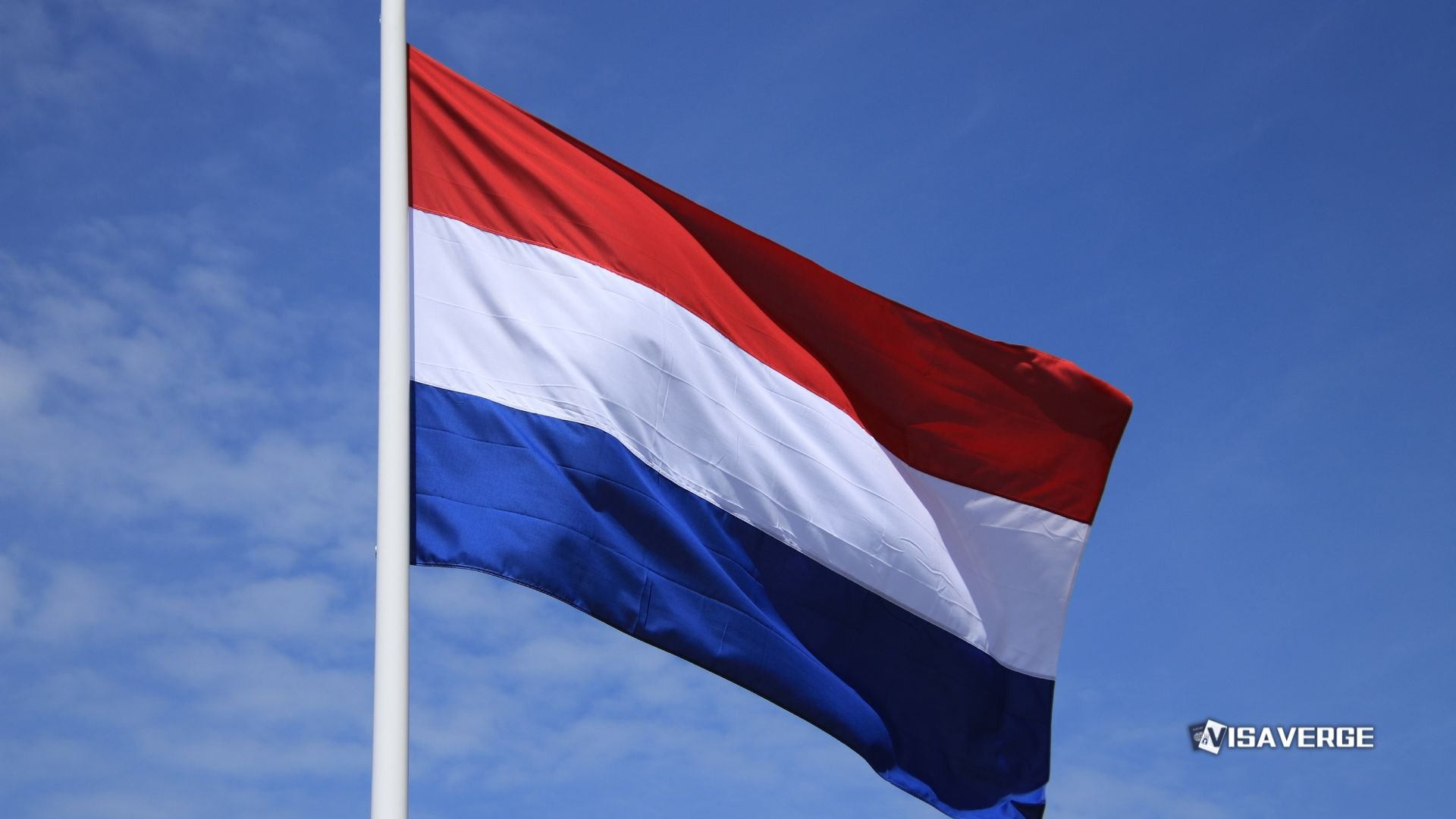
The Netherlands ?? is making waves with a new rule for universities, aiming to limit the use of English in their courses. This change, spearheaded by Education Minister Eppo Bruins, is part of the Balanced Internationalization Act. The goal? To curb the rapid rise of international students and focus more on Dutch language and culture.
What’s Changing?
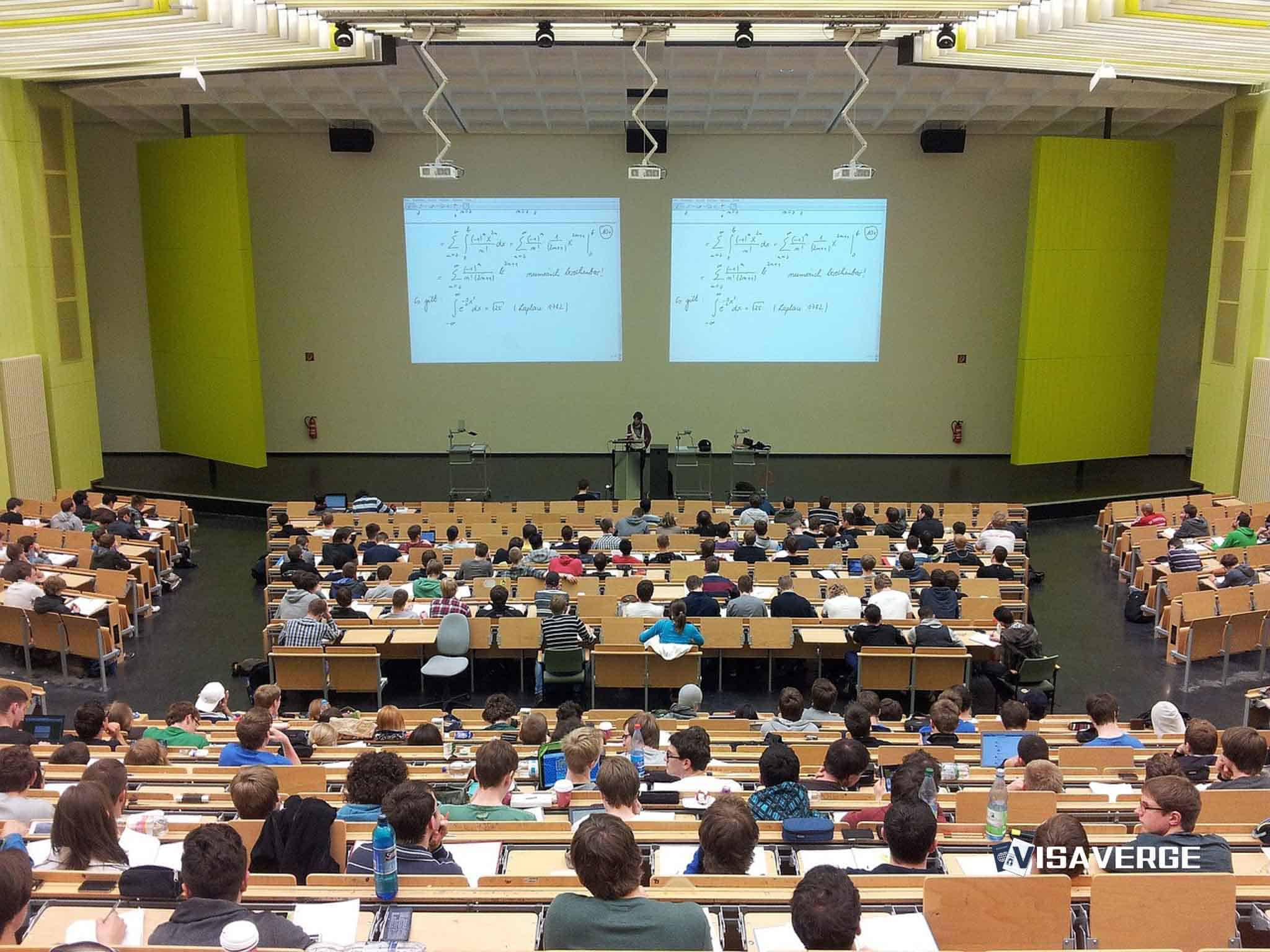
The proposal wants to cut down English-taught bachelor’s degree programs to only a third of all courses. This is a big part of the Balanced Internationalization Act, which also lets universities decide on their own caps for how many students can join English courses. The shift is not just about language but about making Dutch the main language in colleges again.
Why the Change?
There are several reasons for this new direction:
- Too Many Students, Too Few Resources: More students mean crowded classrooms and not enough places to live. Teachers and staff are feeling the squeeze as they try to cope with too much demand.
-
Saving Dutch Identity: With so much teaching in English, there’s a worry that Dutch traditions and language are getting lost. By focusing on Dutch, the government hopes to boost national identity.
-
Helping Students Fit In: Knowing Dutch can help international students find jobs and live better in the Netherlands. A third of foreign students stay after graduating, filling important jobs in areas that need workers.
The Debate
This proposal has stirred a lot of discussion, especially among universities:
- Universities’ Worries: Schools like the Eindhoven University of Technology, which teach everything in English, fear losing out on international talent. In some subjects, especially tech, English is the standard. These schools feel that such rules might push students away.
-
Money Matters: Foreign students are a big financial plus for the Dutch economy. European students usually bring in about €17,000 each, while those from outside Europe can contribute up to €96,000. Despite these numbers, there’s pressure to limit these students because of limited resources.
-
Keeping Flexibility: Some universities want to keep the freedom to choose which language to teach in, based on what’s best for their programs and the job market.
Bigger Picture
This move by the Netherlands is part of a larger trend in Europe. Many countries are looking at their own policies through a more nationalistic lens, even in education. The goal is to balance attracting students from around the world with keeping national interests front and center. As VisaVerge.com suggests, the Netherlands’ approach shows a mix of wanting to keep education open to Dutch speakers while also keeping an eye on how many international students they host.
This new rule might change the face of higher education in the Netherlands. It reflects the ongoing challenge of blending global education needs with local cultural values and available resources.
For those interested in understanding more about education policies or student visas, the Dutch government’s official education website offers detailed insights and updates on this matter. Here, you can find more about the country’s educational framework and policies that may affect both local and international students.
Learn Today
Balanced Internationalization Act: Dutch legislation aiming to limit English in education, focus on Dutch culture, and manage international student intake.
Internationalization: The process of increasing influence or operation of institutions, like universities, beyond national boundaries, affecting culture and resources.
National Identity: The shared sense of a nation as a cohesive whole, represented by distinct culture, language, and traditions.
Financial Plus: The economic benefits that international students bring to a country’s economy through fees and living expenses.
Crowded Classrooms: Overfilled teaching environments resulting from high student enrollment, leading to resource and space shortages.
This Article in a Nutshell
The Netherlands shifts towards Dutch in universities to balance soaring international student numbers. Education Minister Eppo Bruins’ Balanced Internationalization Act limits English-taught bachelor’s courses, preserving Dutch identity. While universities worry about losing foreign talent and financial gains, the strategy ensures resource availability and cultural integrity, aligning education with national interests.
— By VisaVerge.com
Read more:
• International Student Enrollment in Netherlands Sees Smallest Increase in Years
• Netherlands Airport Transit Visa Requirements & Eligibility Guide
• Indian Students Abroad: New Trend Towards Netherlands and Finland
• Moving from the Netherlands to the UK for Work: Can Dutch Nationals Do It Without a Visa Post-Brexit?
• Essential Travel Documents for Netherlands: What You Need to Carry