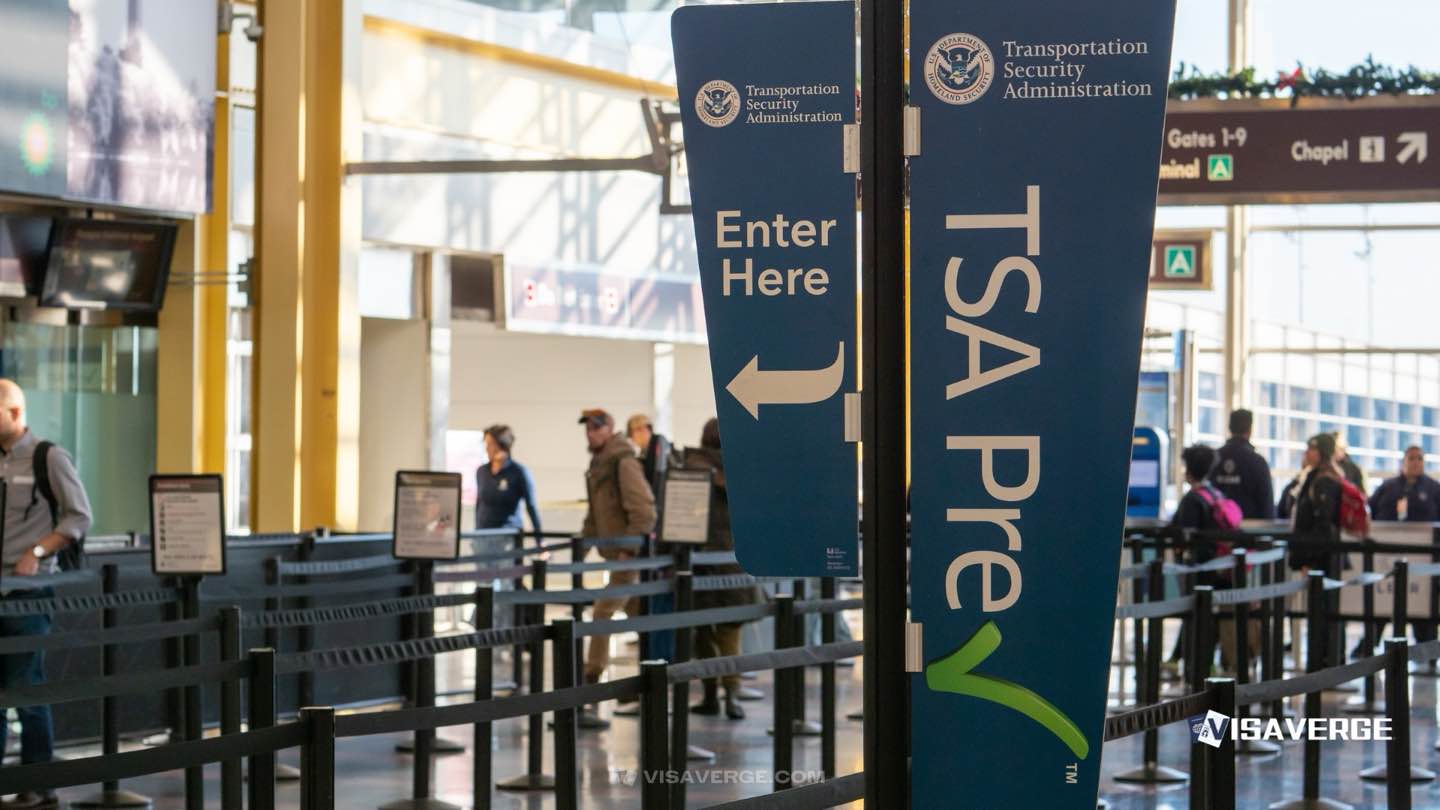
- The MyTSA app lacks active management due to the ongoing federal funding lapse affecting data accuracy.
- Security wait times have reached two hours at major hubs like Atlanta and New Orleans recently.
- Unpaid TSA officers face intensified staffing pressure as the DHS shutdown continues through peak spring travel.
(UNITED STATES) — The MyTSA app began warning travelers during the Federal funding lapse that “Due to lapse in Federal funding, this WEB site will not be actively managed,” a message that has left many passengers relying on less certain estimates as spring break crowds push airport wait times higher.
Travelers opening the app this week still see its wait-time functions, but the experience has shifted because active federal updates have slowed or stopped. Users can still pull up airport-by-airport estimates, but the underlying inputs now lean on crowd reports and historical patterns rather than regularly maintained official information.
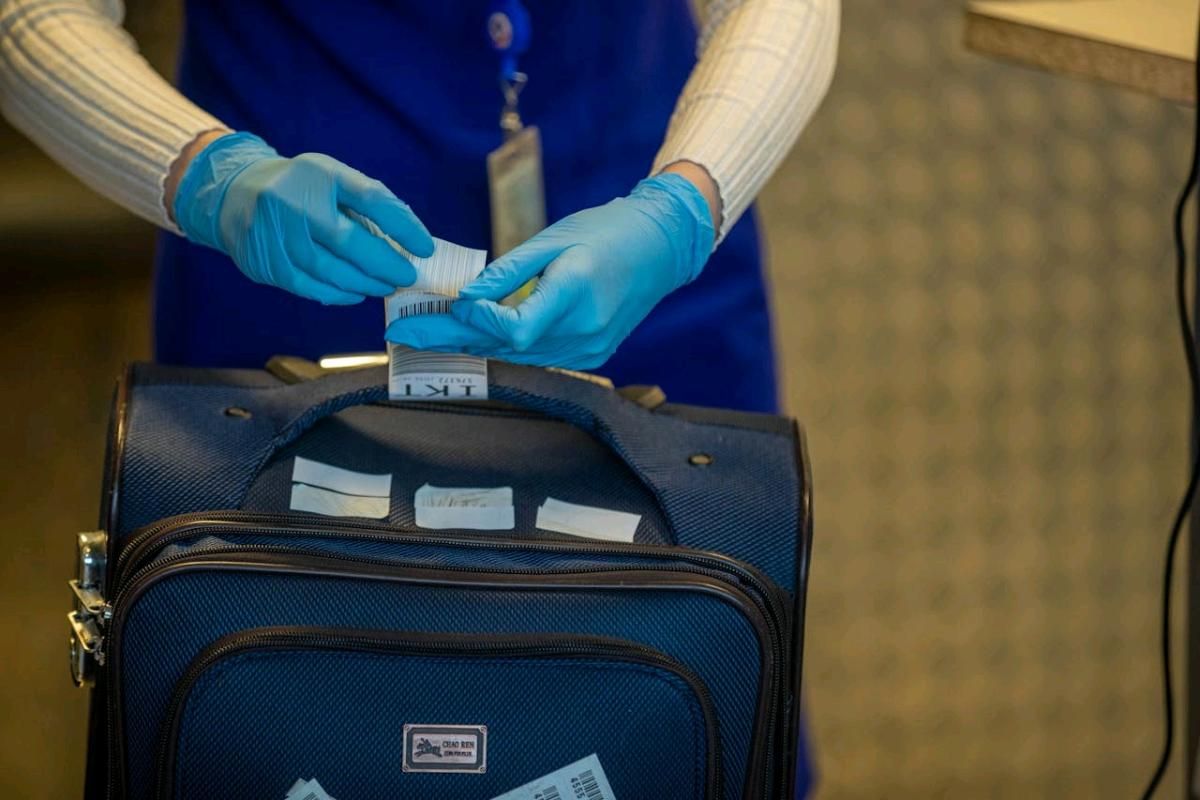
Mixed accuracy has become part of the MyTSA app’s new normal during the shutdown. Several travelers described seeing estimates that did not match what they encountered at checkpoints, while others said the app remained a useful rough guide when paired with what they saw inside terminals.
The changes come amid a partial Department of Homeland Security shutdown that began February 14, 2026, and has strained Transportation Security Administration staffing as peak spring break travel continues through March 16. Unpaid TSA officers and staffing shortages have pushed longer lines at some of the country’s biggest airports, adding uncertainty for travelers trying to time arrivals and connections.
Reports from multiple hubs during the March 8-9 weekend showed average waits rising sharply in some locations, with Hartsfield-Jackson Atlanta and New Orleans Armstrong reaching up to 60 minutes average and peaks over 2 hours. Significant delays also appeared at Dallas/Fort Worth, Orlando (MCO), and Denver as queues built during heavy travel periods.
TSA staffing pressure has intensified this week as officers faced their first full zero-dollar paycheck, prompting concerns about increased call-outs. The strain has extended beyond TSA, with overtime restricted for related agencies like U.S. Customs and Border Protection, which can also affect airport processing for international travelers.
PreCheck lanes have remained open nationwide after President Trump reversed former DHS Secretary Kristi Noem’s late-February attempt to shutter them temporarily. Even with that reversal, airport operations have remained vulnerable to localized adjustments, with case-by-case suspensions possible if shortages worsen.
Houston’s airports have offered a window into how quickly conditions can change. George Bush Intercontinental (IAH) closed its Terminal D checkpoint due to staffing, while officials reported improved flows on March 10 after National Deployment Officers (NDOs) assisted operations at Hobby Airport.
The near-term disruption risk is amplified by the scale of daily screening during spring travel peaks. TSA expects to screen 2.8 million passengers daily in March-April 2026, a volume that can turn even modest staffing gaps into long queues that ripple into missed flights, rebookings, and delays across airline networks.
Airlines and airports have warned that checkpoint backups can quickly spill into gate operations, especially when passengers miss boarding windows and must be reaccommodated. Those knock-on effects have a precedent in recent widespread disruptions, including 9,000 flights delayed/canceled in 2025, costing $6 billion.
Travelers seeking more timely readings of conditions have increasingly turned away from a single source for wait times. Many airports publish checkpoint information directly through their websites or apps, sometimes broken out by specific terminals or screening areas, giving travelers another reference point when the MyTSA app’s crowd-based inputs lag behind reality.
Houston’s airport system, for example, posts checkpoint pages for both major airports, including the Houston IAH security page and the Houston HOU security page. Those pages can provide travelers a local point of reference when staffing changes affect particular checkpoints or terminals.
Airlines have also played a larger role in day-of-travel communication during the shutdown, using push alerts and airport advisories to flag disruption risks. Carriers have issued flexibility in some cases, with airlines waiving same-day change fees at affected hubs, a response aimed at reducing pressure on travelers who see lines balloon close to departure.
Other tools remain available, though they solve different parts of the journey. CLEAR has continued operating, and Mobile Passport Control has remained fully operational, but neither eliminates TSA screening queues for most passengers; instead, they can affect parts of the identity and entry process that sit alongside security and border screening.
Within MyTSA itself, the core airport selection tools remain accessible. Travelers can use “My Airports” and “Search Airports” to view 15-minute interval estimates and historical graphs, though those projections may be less reliable during the shutdown as official active management remains reduced.
Airports and carriers have urged travelers to build extra time buffers because conditions can shift quickly with staffing gaps, uneven lane availability, and shift changes that alter throughput. Houston Airports guidance has advised passengers to arrive 3 hours early for domestic flights and 4 hours for international departures, reflecting the wider emphasis on arriving earlier than usual as lines fluctuate.
The operational strain has unfolded alongside leadership and policy turmoil at DHS. President Trump fired Secretary Kristi Noem, and Oklahoma Sen. Markwayne Mullin takes over March 31, a transition that arrives as TSA and other DHS components manage the shutdown’s effects on staffing and passenger processing.
Travel groups have pushed Congress to end the standoff, launching a “Pay Federal Aviation Workers” campaign that focuses on restoring pay for federal aviation and security workers. The campaign has urged resolution of the broader impasse, which has centered on immigration funding riders, as travelers navigate longer wait times and more variable information during the continuing Federal funding lapse.
Live Government Data
State Dept • CBPBusiest Border Crossings
- San Ysidro 80 min
- Nogales 60 min
- Otay Mesa 60 min