- Minnesota educators and families demand ICE stay away from school grounds after high-tension incidents.
- A fatal shooting and school confrontation disrupted learning for thousands of students in Minneapolis.
- Districts shifted to remote learning as families formed sanctuary watch teams to protect campuses.
MINNEAPOLIS, MINNESOTA, USA — Minnesota educators, parents and students demanded this week that U.S. immigration and customs enforcement (ICE) and Border Patrol agents stay away from school grounds, after a string of enforcement actions and clashes that they said rattled campuses across the state.
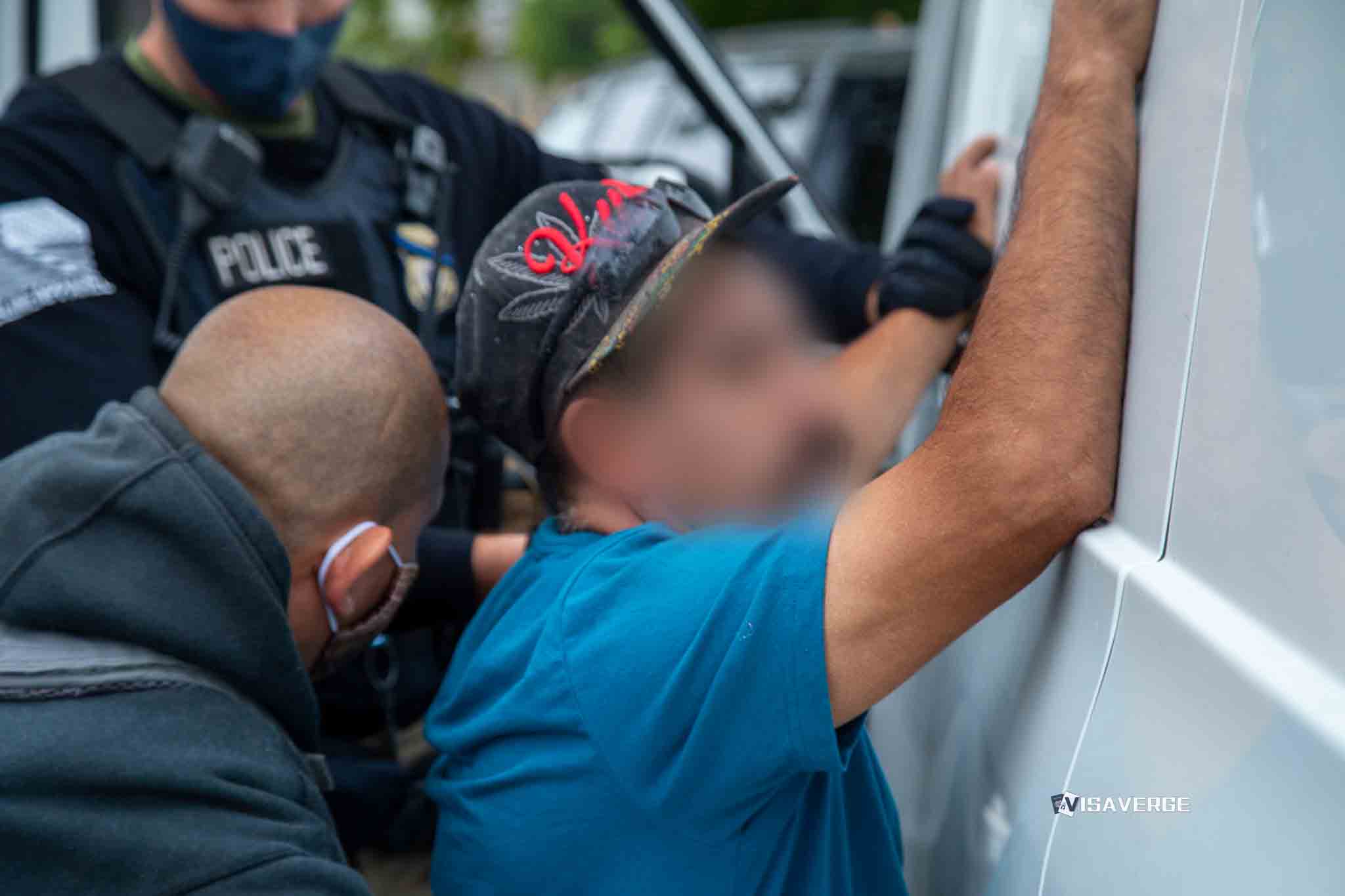
Union leaders and families tied the call to a week that included a fatal shooting by an ICE agent, lockdowns at schools, reports that students were pepper-sprayed, and the detention of a teacher during a confrontation on the property of Roosevelt High School in Minneapolis.
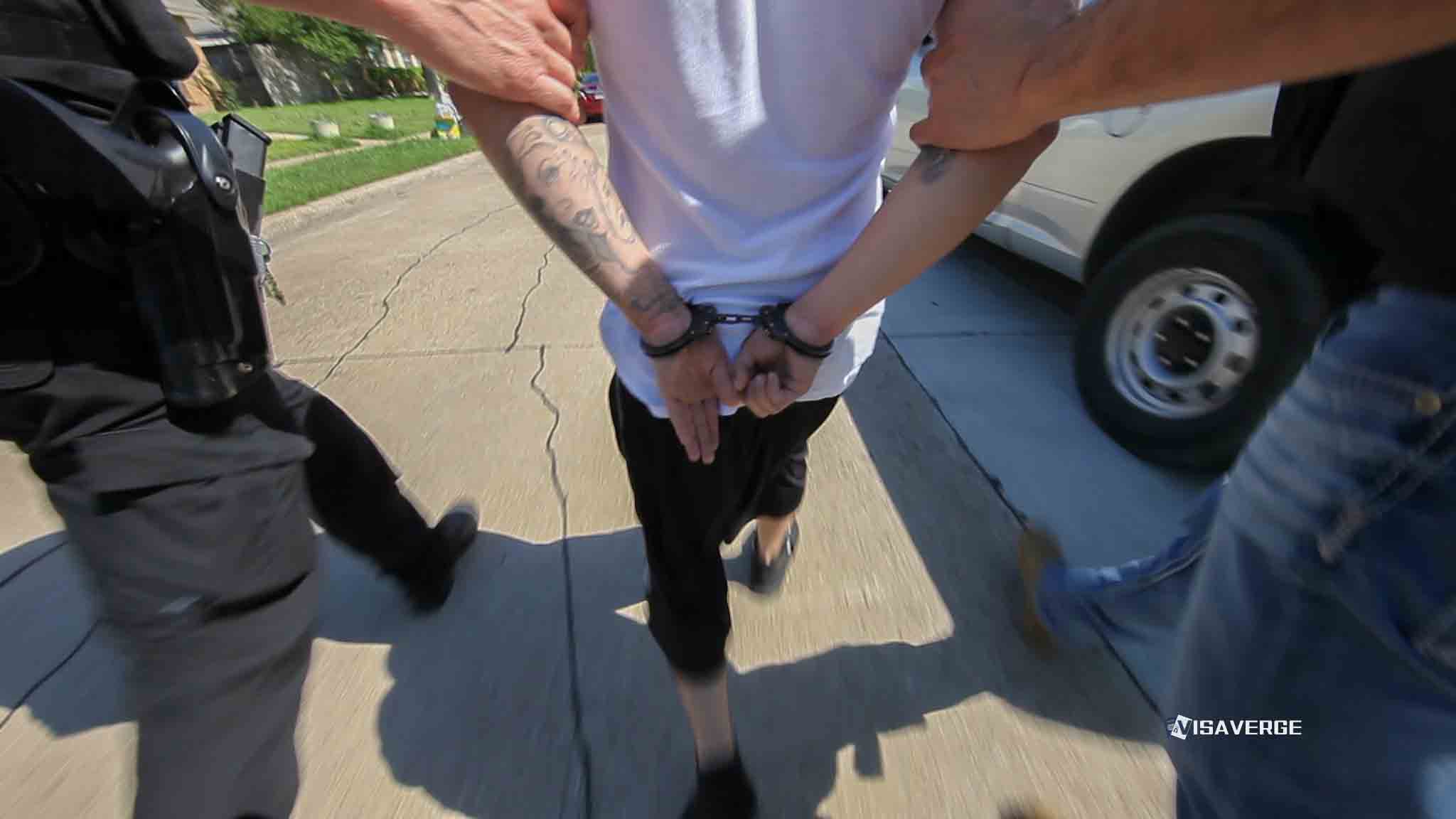
Monica Byron, president of Education Minnesota, said, “We have seen ice agents in Roseville circling school property just waiting for families to pick up their children.” Byron added, “Every moment ICE remains near our schools endangers children, educators and families.”
The pushback came after several incidents that educators described as shattering trust around schools, where staff try to keep families focused on learning, attendance and support services.
Schools are a uniquely sensitive setting for enforcement activity, educators said, because fear can keep students home and disrupt classrooms even when agents are not inside buildings.
Byron said ICE activity set off an elementary school lockdown and forced schools in Minnesota’s largest city to close, costing students “two days of learning… [they] will never get back.” She added: “Parents should never have to choose between their children’s safety and learning.”
The flashpoint came on Wednesday, January 7, 2026, when 37-year-old Renee Nicole Good was shot and killed by an ICE agent in Minneapolis after allegedly moving her vehicle toward the officer, with the Department of Homeland Security characterizing the shooting as “self-defense.”
Later that day, federal agents came onto Roosevelt High School property in Minneapolis while attempting to make an arrest, leading to what educators described as a chaotic confrontation at dismissal time.
Natasha Dockter, vice president of the teacher chapter of the Minneapolis Federation of Educators, said, “While on school property, they deployed chemical irritants and detained an educator and MFE member who was doing their job at dismissal.”
“While on school property, they deployed chemical irritants and detained an educator and MFE member who was doing their job at dismissal.”
Educators and students reported that some students were pepper-sprayed during the incident, and at least one staff member was taken into custody.
DHS offered a sharply different account of how agents ended up near the school, saying Border Patrol agents were drawn there after a five-mile vehicle chase and describing a crowd that formed as “rioters” who threw objects and paint at officers, prompting “targeted crowd control” measures. DHS also specified that no tear gas was deployed.
Homeland Security Assistant Secretary Tricia McLaughlin defended the agencies’ approach in an interview on Fox News’ “America’s Newsroom,” saying, “Our law enforcement does not go into schools unless there is a public safety threat within those schools.”
“Our law enforcement does not go into schools unless there is a public safety threat within those schools.”
McLaughlin described the Roosevelt High School incident as the end point of a pursuit, saying: “There was an individual who was assaulting our law enforcement, and he started a chase that went about five miles… The subject of this chase started going over barriers, he was running red lights, and eventually he took the chase onto school grounds. Our law enforcement did not go into this school and made sure to diffuse the situation.”
In the days that followed, parents and educators reported ICE and Border Patrol vehicles circling school properties in multiple districts, including Roseville, St. Paul, Bloomington, Columbia Heights, Burnsville, Fridley, Richfield, West St. Paul, Apple Valley, St. Cloud, St. James, and Rochester.
At a statewide press conference organized by Education Minnesota, union leaders framed the reports as a direct threat to student safety and to day-to-day school operations, arguing that families will keep children home if they believe enforcement is near campuses.
When reporting or sharing incidents near schools, separate confirmed facts from claims. Attribute statements to specific sources (district notices, DHS statements, named witnesses) and avoid posting identifying details about students or staff that could escalate risk.
Catina (Katina) Taylor, president of the Educational Support Professionals Chapter of the Minneapolis Federation of Educators, said, “We need ICE out of Minneapolis now. We need ICE out of Minnesota now. We need ICE away from our schools now.”
“We need ICE out of Minneapolis now. We need ICE out of Minnesota now. We need ICE away from our schools now.”
Speaking about Wednesday, Taylor said: “A mother was murdered, an elementary school was forced to lock down. Grown men use pepper spray on terrified high school students, on school property – and that was just on Wednesday. This is the opposite of protecting our kids. This is the opposite of keeping the peace.”
Taylor added, “As long as ICE is in Minnesota, we won’t be safe… ICE needs to stay away from all of our schools, starting today.”
Chris Erickson, president of the St. Cloud Education Association, said the tension had spread beyond the Twin Cities, describing “The fear as they load their students onto the bus at the end of the day, not knowing whether that child will return to their family or to an empty house.”
Dockter drew a bright line around campuses, saying, “Let me be very clear, immigration enforcement should never, under any circumstances, be on school grounds.”
“Let me be very clear, immigration enforcement should never, under any circumstances, be on school grounds.”
Families described changing routines and watching schools more closely as they tried to gauge where agents might show up and how students would react.
At Valleyview Elementary School in Bloomington, 142 students did not attend class on Thursday, according to Wendy Marczak, president of the Bloomington Federation of Teachers, who attributed the absences to fear of ICE presence near schools.
A Minneapolis parent identified as Clara, who has children in city schools, said her daughter had seen federal agents outside the classroom. “Meanwhile, many agents and vehicles were circling the perimeter of the school,” she said.
The Star Tribune reported that parents, neighbors, and staff were “standing watch” outside Minnesota schools during drop-off and pick-up as “thousands of federal immigration agents descend on the Twin Cities.”
Michael Martini, a St. Paul grandfather standing watch outside Central High School, asked: “What kind of joy is there if a child has to be afraid that some of his friends are going to be abducted.”
Families who feel unsafe should rely on official district channels first (texts/emails, website alerts) and ask schools how they handle campus access and law-enforcement requests. If organizing, coordinate with established local groups to avoid spreading unverified rumors.
A parent group linked to TakeAction Minnesota, Minneapolis Families for Public Schools, has 35 school sanctuary teams monitoring for ICE activity and coordinating rides and grocery delivery for immigrant families too afraid to leave home, the Star Tribune reported.
Dockter urged community members to join such efforts, saying, “Get a whistle, wear it at all times and get plugged into the rapid-response network in your neighborhood.”
Minneapolis educators also described building “networks of care and protection” to drive students to school and deliver groceries to families avoiding public spaces due to enforcement fears.
School districts also began shifting schedules and safety plans as the week unfolded, saying they were trying to balance instruction with student anxiety and staff concerns.
Minneapolis Public Schools canceled all in-person classes and activities on January 8 and 9, 2026, citing safety concerns and “an abundance of caution.”
The district is offering optional e-learning through February 12 for families who do not feel safe sending children to school, with in-person learning scheduled to resume on Monday at all sites.
Fridley Public Schools canceled in-person classes on Friday, joining Minneapolis in closing schools after the shooting and the Roosevelt High School incident.
Columbia Heights Public Schools declared a Flex Learning Day on Friday.
Several other districts either canceled in-person classes or shifted to remote learning due to ICE activity and rumors of agents on school property.
Fox News, citing DHS, reported that “more than 2,000 federal agents” have been deployed to the Twin Cities this week, a figure that educators and families pointed to as they described a heightened presence near schools.
Byron said in the FOX 9 news conference that students in multiple cities “are afraid to go to school for fear of being harassed, assaulted, or worse by the very people our government was sent to protect us.” She called ICE operations near schools “an unprecedented threat to the safety of all Minnesotans brought upon by our own federal government.”
Political leaders in Minnesota also responded as tensions rose, with Gov. Tim Walz declaring a “Day of Unity” on Friday and calling for a moment of silence at 10 a.m. in light of Good’s death and ongoing tensions.
Walz and other local leaders echoed calls for ICE to stay away from schools, according to Education Minnesota and parent groups.
Fox News also reported that a Minnesota senator publicly urged ICE to “leave now for everyone’s safety” after the shooting, as the broader dispute played out across local and national politics.
Even as competing narratives emerged about what happened at Roosevelt High School, educators said they were focused on one immediate goal: keeping immigration enforcement away from students, families and staff at the places where children are dropped off, picked up and taught.
The central demand, repeated across news conferences and rallies in Minneapolis, St. Paul and other communities, was that there be no immigration enforcement on or near school grounds, under any circumstances, and an end to what educators described as intimidation and disruption of students and families.
Dockter summed up that line at the press conference: “Immigration enforcement should never, under any circumstances, be on school grounds.”
“Immigration enforcement should never, under any circumstances, be on school grounds.”
Minnesota educators, parents, and students are demanding that federal immigration agents stay away from school properties. This follows a fatal shooting by an ICE agent and a chaotic confrontation at Roosevelt High School in Minneapolis. These events triggered school closures, remote learning shifts, and significant student absences due to fear. Community groups have responded by forming watch teams to protect families and ensure schools remain safe learning environments.