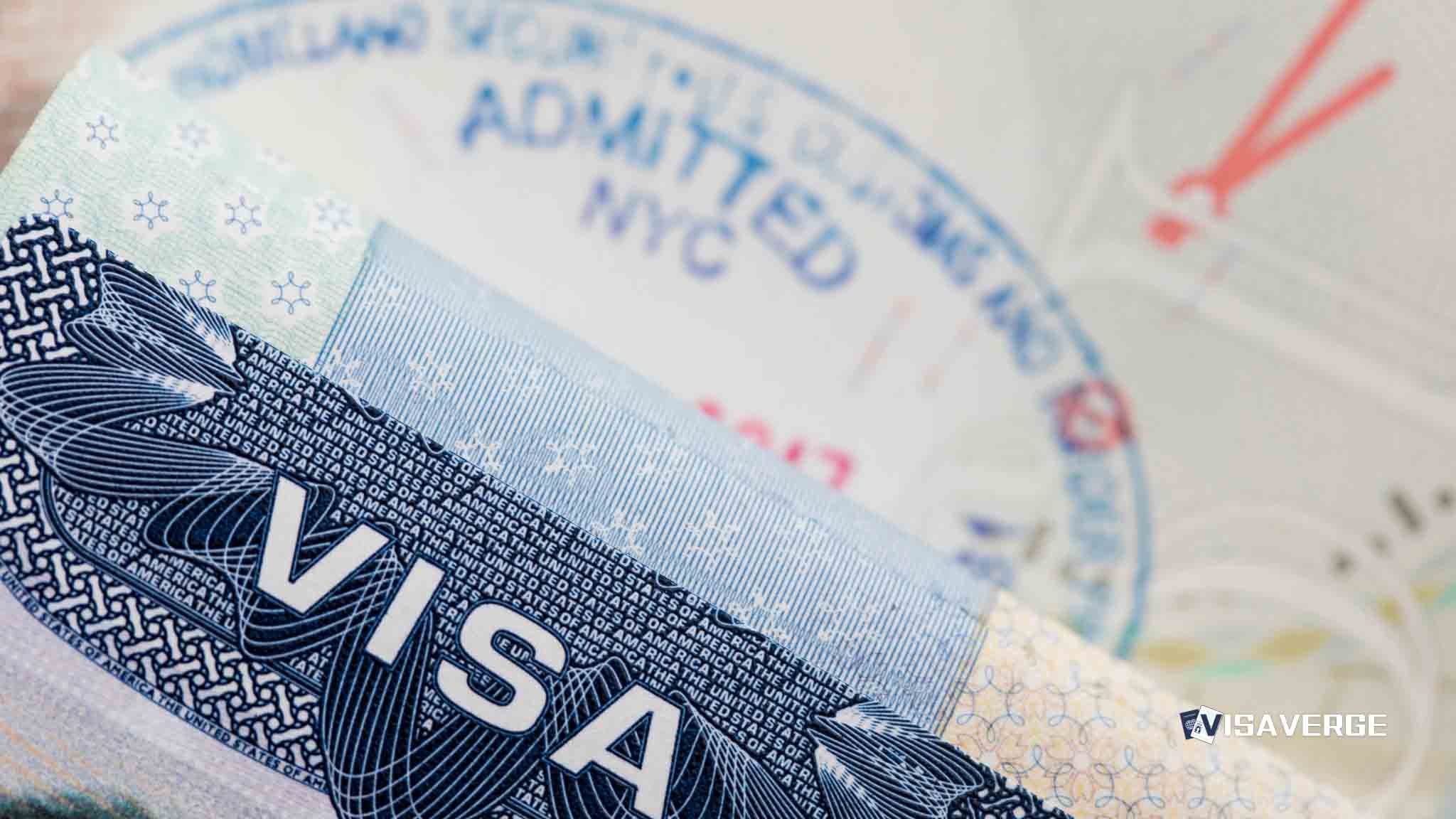
- Venezuela has launched a new e-Visa system on April 6, 2026, for foreign nationals and Americans.
- The digital process replaces all paper-based applications and in-person visits to Venezuelan embassies or consulates.
- U.S. citizens must contact the embassy in Mexico for information due to closures within the United States.
(VENEZUELA) — Venezuela launched a new electronic visa (e-Visa) system for U.S. citizens and other foreign nationals on April 6, 2026, shifting visa requests to a digital process run by the Ministry of Foreign Affairs.
The new system replaces the previous paper-based and in-person visa application methods. Applicants now complete the process through the Ministry of Foreign Affairs website rather than beginning with a visit to an embassy or consulate.

The change creates a fully online application process from registration through submission, document upload, payment and delivery. Once approved, the visa arrives by email as a digital document.
The rollout marks a procedural change in how foreign nationals seek permission to travel to Venezuela. Instead of handling forms and supporting material in person, applicants enter passport details, upload photos and other documents, and submit everything electronically.
Under the new process, applicants first visit the official Ministry of Foreign Affairs website. They then create an account and complete registration before moving to the electronic visa application form.
That form requires accurate personal and travel information. After that, applicants upload the required documents, including a valid passport scan, a recent photo, proof of accommodation and a return ticket.
The system also includes online document verification. Registration and document upload functions allow applicants to submit passport details, photos and supporting documents in digital form.
After completing the form and uploading the required records, applicants use a secure online payment system to pay the visa fee. They then submit the application and wait for processing.
Processing typically takes from a few days to two weeks, depending on application volume. Approved applications are returned by email as an e-Visa in digital form.
The Ministry of Foreign Affairs introduced the system as a replacement for earlier paper-based procedures. That means the application, review and delivery stages now take place through a single online channel rather than through the older in-person route.
For applicants, the sequence is straightforward but document-heavy. They must register, enter their information, upload the required files, pay online and then monitor email for the final digital visa.
Accuracy remains central to the process. Applicants are advised to verify all information before submission and to apply well in advance of their planned travel date to avoid delays or rejection.
The online design also changes how applicants handle supporting evidence. A valid passport scan, recent photo, proof of accommodation and return ticket now form part of an electronic file instead of a paper packet.
That shift may simplify access for people who can complete the process remotely. At the same time, it places all emphasis on correct digital submission through the Ministry of Foreign Affairs platform.
The launch comes with an important warning for Americans. The U.S. State Department strongly urges U.S. citizens not to travel to Venezuela, noting that detentions of U.S. citizens at border crossings are common.
That advisory sits alongside the new visa option and may shape how some applicants weigh travel plans. A functioning e-Visa system changes the mechanics of getting a visa, but it does not alter the U.S. government’s warning on travel to Venezuela.
Another constraint remains in place for applicants seeking information from within the United States. Venezuelan embassy and consulates in the United States remain closed.
As a result, visa information must be obtained through the Venezuelan Embassy in Mexico. The contact number provided for visa information is +52 55 5203 4233.
That arrangement means the digital application channel and the Mexico embassy contact now form the main path for many people seeking information and access. The closure of Venezuelan diplomatic posts in the United States removes the older consular route for in-person guidance there.
Within the application process itself, the electronic visa form serves as the center of the new system. Applicants are expected to provide personal and travel information accurately before moving to document uploads and payment.
The required uploads reflect the basic elements of a travel file. A passport scan confirms identity, a recent photo supports the application record, proof of accommodation addresses stay arrangements, and a return ticket documents onward travel.
Once those materials are uploaded, applicants move to payment through the secure online system. Submission follows payment, after which the process shifts to waiting for review and email delivery.
The timing range of a few days to two weeks gives applicants a basic window for planning. Because that timetable depends on application volume, applicants are advised to submit well before travel.
The digital delivery system also changes the final step. Instead of collecting a visa in person or relying on a paper document issued through the old method, applicants receive the approved e-Visa by email.
That makes the email inbox the final checkpoint in the process. From registration to receipt, the system operates as a fully online application process under the Ministry of Foreign Affairs.
For U.S. citizens, the change arrives in a complicated setting. They now have access to an electronic visa (e-Visa) system, but the U.S. State Department continues to warn against travel because of safety concerns and detentions at border crossings.
For other foreign nationals, the new procedure also replaces the earlier paper-based and in-person method. The same general sequence applies: go to the Ministry of Foreign Affairs website, register, complete the form, upload documents, pay online, submit and wait for the result by email.
The system’s structure suggests that applicants need to prepare digital versions of all required records before starting. Passport details, photographs and supporting documents all move through online verification rather than physical review at a consular counter.
That makes preparation and accuracy closely tied to timing. Missing or incorrect information can create delays or rejection, which is why applicants are advised to check their entries carefully before they submit.
The April 6, 2026 introduction date places the shift firmly in the current travel cycle. Anyone using older paper-based instructions would now face a system that directs them instead to the Ministry of Foreign Affairs website and a fully online application process.
The administrative change is also notable because it centralizes several steps that were previously separated. Registration, form completion, document verification, payment and visa delivery now sit within one electronic visa (e-Visa) system.
In practice, that means the approved document arrives in electronic form rather than as a paper visa handled in person. Email delivery closes the loop on an application that starts online and stays online all the way through.
Still, the availability of a digital visa route does not remove the broader context around travel to Venezuela. The U.S. State Department warning and the closure of Venezuelan embassy and consulates in the United States remain part of the landscape for Americans considering an application.
For those seeking visa information, the Venezuelan Embassy in Mexico now serves as the listed contact point at +52 55 5203 4233. For those ready to apply, the Ministry of Foreign Affairs website now serves as the entry point to Venezuela’s new e-Visa system, from first registration to final delivery by email.