(BERLIN) German Chancellor Friedrich Merz is facing a storm of criticism after linking urban safety problems to migration and calling for large-scale deportations, a stance that triggered immediate backlash, angry statements from rivals and allies, and fresh Berlin protests in October 2025.
At a news conference, Merz said “problems in our urban spaces” are tied to migration, repeating that Germany needs broader removals. The remarks sparked a rapid response from opposition parties and parts of his own CDU, who warned that tying city life and crime to migration risks unfairly blaming diverse communities.
Political reaction and wider stakes
According to analysis by VisaVerge.com, the controversy has moved quickly from a political dust-up to a wider test of Germany’s approach to migration and integration. Activists and young voters are watching closely ahead of key state contests.
- Coalition leaders, especially the Social Democrats, called Merz’s remarks divisive and said such claims simplify complex social and economic issues.
- They argued that linking city safety directly to migration can fuel discrimination rather than target the root causes of crime.
- With the far-right AfD rising on a strong anti-immigration platform, the governing coalition and moderates in the CDU are debating how to answer pressure from the right without hardening policies that affect millions of legal residents and longtime workers.
Former Chancellor Olaf Scholz offered a stark contrast, praising migrants’ role in Germany’s economic success and pointing to recent citizenship reforms aimed at better integrating people who have built their lives in the country.
The divide: one approach frames migration as a risk to urban order; the other sees it as a pillar of growth and renewal that needs smart policies to work well for everyone.
Immediate public response: Berlin protests
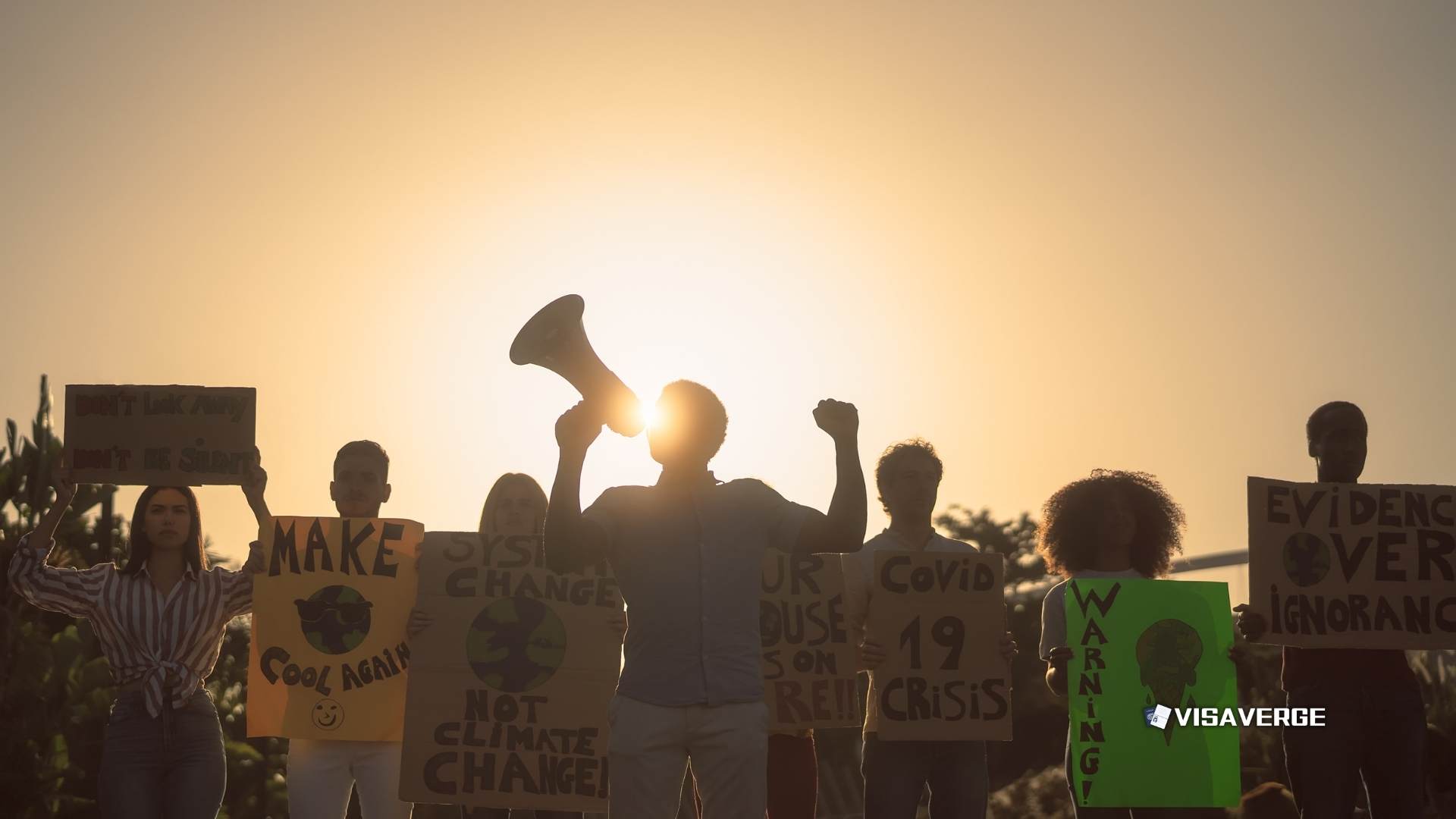
Outside CDU headquarters, a spontaneous crowd gathered in Berlin. Women, left-wing activists, and opposition politicians stood together, saying the real problem is racism and social exclusion, not immigration.
- Protesters emphasized human stories — families split by removal orders, children anxious at school because of taunts tied to immigration status.
- Demonstrators held signs criticizing collective blame and urging leaders to focus on jobs, housing, and fair policing.
- Many young women amplified the message online, rejecting the narrative that newcomers are to blame for daily life concerns.
Merz has refused to walk back his words. He argues that his view reflects what many Germans see around them, and that leaders should say so plainly. Supporters describe his tone as candid; critics call it populist.
Legal and practical realities of removals
Activists and legal experts warn that calls for “mass deportations” ignore basic due process and the complexity of removals:
- Removals are complex: they require case-by-case checks, legal appeals, and safe return options.
- Mixed-status families can face years of uncertainty.
- Routine steps—document checks, interviews, court appeals—take time and weigh heavily on parents and children.
- Critics note the country risks uprooting people who work, pay taxes, and have no criminal record, gaining little from such policies.
Merz’s allies counter that Germany must send clear signals on rules:
- They argue for faster asylum decisions and expedited removals for people without a right to stay to maintain public trust.
- Yet even some in the CDU worry about language that could push centrist voters away or empower the AfD.
Social and municipal impacts
For people moving through Germany’s legal systems—students, workers, asylum seekers—the rhetorical crossfire carries real stakes. The dispute shapes everyday life:
- Mood at work, school, and local offices
- Municipal budget decisions for integration courses, housing support, and caseworker staffing
- Community groups stress that steady support (housing, language classes, youth programs) is the best way to ease tension and help newcomers build stable lives
Policy watchers note the broader political picture: the AfD’s rise has made mainstream parties nervous. Analysts say echoing hardline themes could normalize them; supporters say ignoring public concern will drive more voters to the far right.
“Merkel? Merz”: framing the central choice
Commentators framed the clash as a basic choice on immigration policy—tone and direction captured in the shorthand “Merkel? Merz.” The core fight is practical:
- How to manage migration without casting whole neighborhoods as unsafe because of who lives there
- Demonstrators call for services that help people settle and for firm action against crime that targets individuals, not groups
- Merz and supporters call for rules linked to outcomes: faster decisions, faster returns, clearer signals
Social media pushed the arguments into homes across the country. Posts from young women calling the remarks unfair stood out and helped amplify the Berlin protests.
Key facts
| Item | Details |
|---|---|
| Date of controversy | October 2025 |
| Chancellor involved | Friedrich Merz (CDU) |
| Nature of comments | Linked urban safety to migration; called for wide-scale deportations |
| Public response | Berlin protests; criticism from coalition partners and within parts of the CDU; strong social media backlash |
| Political context | Rising AfD support; intense debate over migration and integration policy |
| Alternative viewpoint | Former Chancellor Olaf Scholz praised migrants and recent citizenship reform |
Human stories at the center
Speakers at the Berlin protests emphasized human impacts:
- Families split by removal orders and children anxious about school
- Community workers saying city safety depends on stable housing, language classes, and youth programs, not broad blame
- Calls to hold individuals accountable for crime while protecting communities from blanket suspicion
Official resources and next steps
Germany’s official resources outline legal pathways, rights, and duties. For current rules on asylum, residency, and integration courses, consult the Federal Office for Migration and Refugees: Federal Office for Migration and Refugees (BAMF).
While politicians trade statements, these agencies run the day-to-day systems that decide claims, fund language classes, and coordinate with cities on services.
What’s next
- The stakes are clear as Germany heads toward crucial regional votes.
- Merz insists his comments match everyday reality and should guide policy.
- Coalition partners and parts of the CDU reject linking city safety to migration, warning it blurs crime control and fair treatment.
- Protesters in Berlin pressed leaders to focus on policies that help neighborhoods thrive.
This clash will likely define much of the coming months: not only what Germany says about migration, but how it treats families in its towns and cities. For many residents—especially those with mixed-status families—the difference is immediate: between fear and belonging, and between a future they can plan and one that can change with a single speech.
This Article in a Nutshell
In October 2025, Chancellor Friedrich Merz ignited a national dispute by tying urban safety concerns to migration and advocating for wide-scale deportations. His comments provoked protests in Berlin, criticism from coalition partners and dissent within the CDU. Opponents argue such rhetoric unfairly stigmatizes communities and risks empowering the far-right AfD, while supporters push for faster asylum decisions and removals to reassure the public. Legal experts and activists warn removals are legally complex and can harm mixed-status families. The clash is framing debates ahead of regional votes and focuses attention on integration measures like housing, language courses and youth services.