Key Takeaways
- UK denied Mandla Mandela a visa citing his support for Hamas, considered not beneficial to public safety.
- Mandela’s visa denial opposes his free speech rights, likened to his grandfather’s anti-apartheid advocacy.
- Case highlights challenges activists face in political conflicts, influencing diplomatic relations and immigration policies.
The United Kingdom’s decision to deny a UK visa to Zwelivelile Mandla Mandela, the grandson of the revered Nelson Mandela, has stirred considerable dialogue. The UK government pointed to his support for Hamas as the main reason for this refusal, explaining that his presence in the country was deemed “not conducive to the public good.”
Background
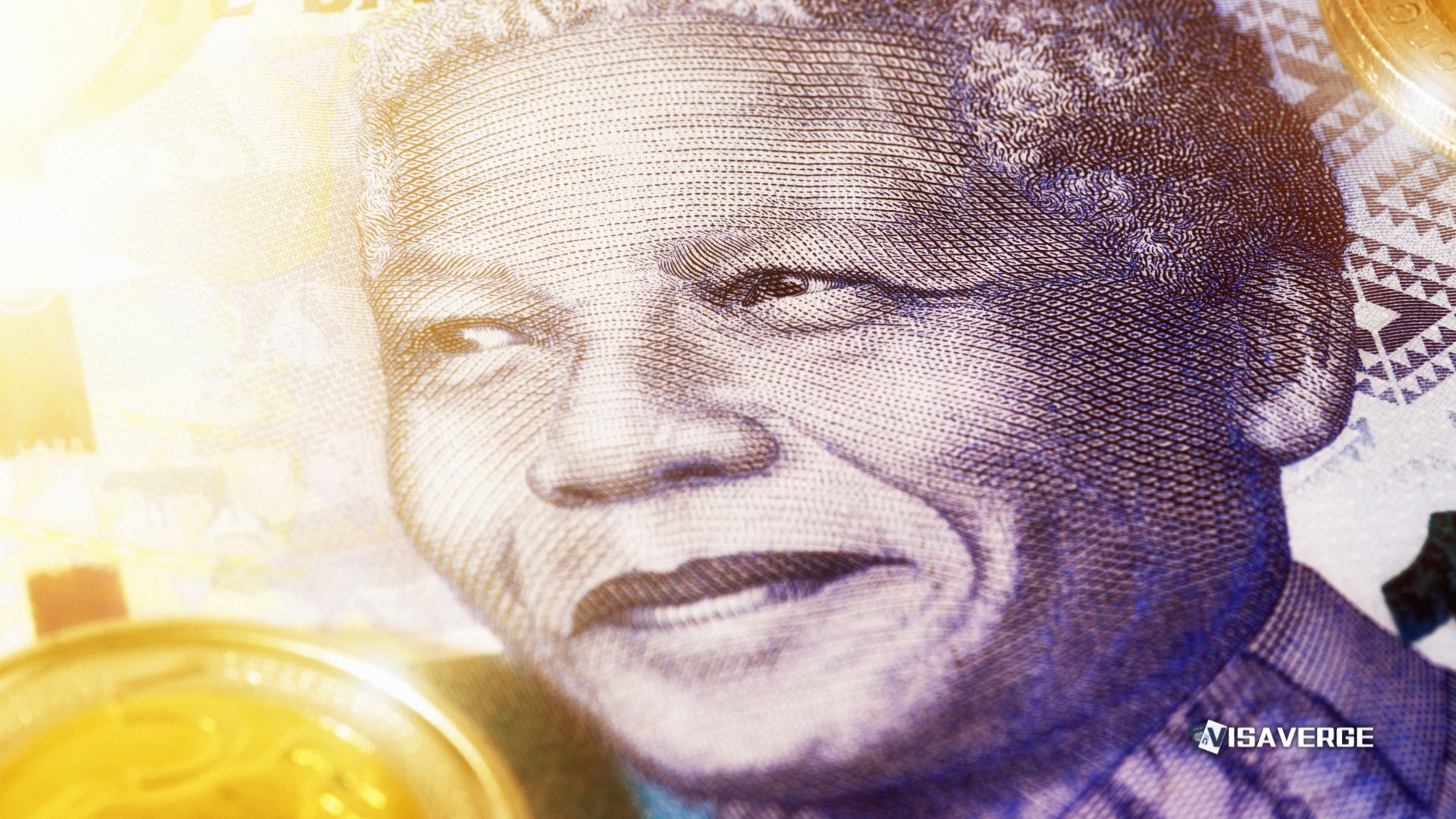
Mandla Mandela, once a member of South Africa’s parliament, is a notable figure in supporting Palestinian rights. He had planned a speaking tour in the UK during Black History Month, with stops in cities like London, Edinburgh, and Brighton. However, the tour hit a roadblock when he was unexpectedly told that he needed a visa, despite earlier indications that his South African government passport would suffice.
Reasons for Visa Denial
The UK Home Office’s decision hinged on Mandela’s public endorsement of Hamas. Following the October 7, 2023, Hamas attack on Israel, which led to numerous casualties and hostages, Mandela showed support for Palestinian resistance and praised the assault. His call for global backing of Hamas and similar groups added weight to the case against him. Furthermore, Mandela’s social media posts, featuring images with key Hamas figures and supportive messages, were integral to the decision. The UK authorities believed his presence could heighten tensions within Jewish communities and risk public safety.
Reactions and Implications
This decision drew criticism from pro-Palestinian factions and human rights advocates. They argue that denying Mandela entry curtails free speech and aims to suppress opposition to Israel’s policies. Supporters liken Mandela’s stance to his grandfather’s fight against apartheid, finding parallels in their advocacy for oppressed peoples.
Mandela himself has critiqued the decision, asserting it won’t hinder his campaign for Palestinian justice and equality. He equated his struggle to the barriers faced by his grandfather under apartheid, stressing a steadfast resolve to challenge oppression.
Broader Context
This situation underscores the global tensions linked to the Israeli-Palestinian discord. The UK’s approach mirrors its classification of Hamas as a terrorist entity, a view shared by several Western nations. Such designations shape diplomatic actions and influence visa verdicts, especially regarding individuals who back groups labeled as terrorists.
This case also highlights the difficulties activists face while navigating divisive political arenas. Mandela’s predicaments are indicative of the obstacles encountered by advocates who support movements seen as terrorists by some, but as freedom fighters by others.
Conclusion
Mandla Mandela’s UK visa denial has sparked debates on free speech, political rights, and global diplomacy. The UK stands by its action due to safety worries and the public interest. Still, critics see it as a means to dampen meaningful discussion on pressing global issues.
As this matter evolves, it serves as a lens on the complex layers of disputes like the Israeli-Palestinian conflict. It also shows how the legacy of figures like Nelson Mandela continues to shape today’s political stories and decisions.
For further details on the UK’s stance on Hamas and related policies, visit the UK Government’s official page on foreign terrorist organizations. As supported by an investigation from VisaVerge.com, the intertwining of political advocacy and immigration policy remains a challenging terrain for many, illustrating the broader impacts of these visa decisions.
Learn Today
Visa Denial: The formal refusal by a government to grant entry to an individual seeking to visit the country.
Not Conducive to the Public Good: A legal term indicating that an individual’s actions could negatively affect public safety and order.
Pro-Palestinian Factions: Groups or individuals who actively support or advocate for Palestinian rights and causes.
Public Endorsement: The act of openly declaring support or approval for a particular cause, group, or individual.
Diplomatic Actions: Official measures taken by a government to manage international relations and negotiations with other countries.
This Article in a Nutshell
The UK’s refusal to grant Zwelivelile Mandla Mandela a visa has sparked a heated debate on free speech and public safety. Citing his support for Hamas, the UK deems his presence detrimental. Critics argue this stifles dissent against Israeli policies, echoing struggles akin to Mandela’s grandfather’s apartheid fight.
— By VisaVerge.com
Read more:
• Think Tank Pushes UK to Rethink Asylum Housing System
• UK Visas and Immigration Switch Visa Services in Ghana to VFS Global
• UK Seasonal Worker Visa Route Confirmed for 2025
• Do UK Passport Holders Need a Visa for Volunteering Abroad?
• Do Germans Need a Visa to Visit the UK?