(NEW YORK CITY, NY) New York City mayor-elect Zohran Mamdani has issued a stark warning to immigrant residents, releasing a “know your rights” video that tells people living in the city that
“ICE is legally allowed to lie to you”
and urging them to stand firm if immigration agents come to their door, school or workplace.
The campaign video, posted on December 7, 2025 on his “Zohran Mamdani for NYC” account, was aimed directly at the city’s estimated 3 million immigrants, including more than 400,000 undocumented people, and comes just weeks before he is due to take office. Scripps News noted that Mamdani, who “will be sworn in as mayor on Jan 1,” told immigrants: “We can all stand up to ICE if you know your rights.”
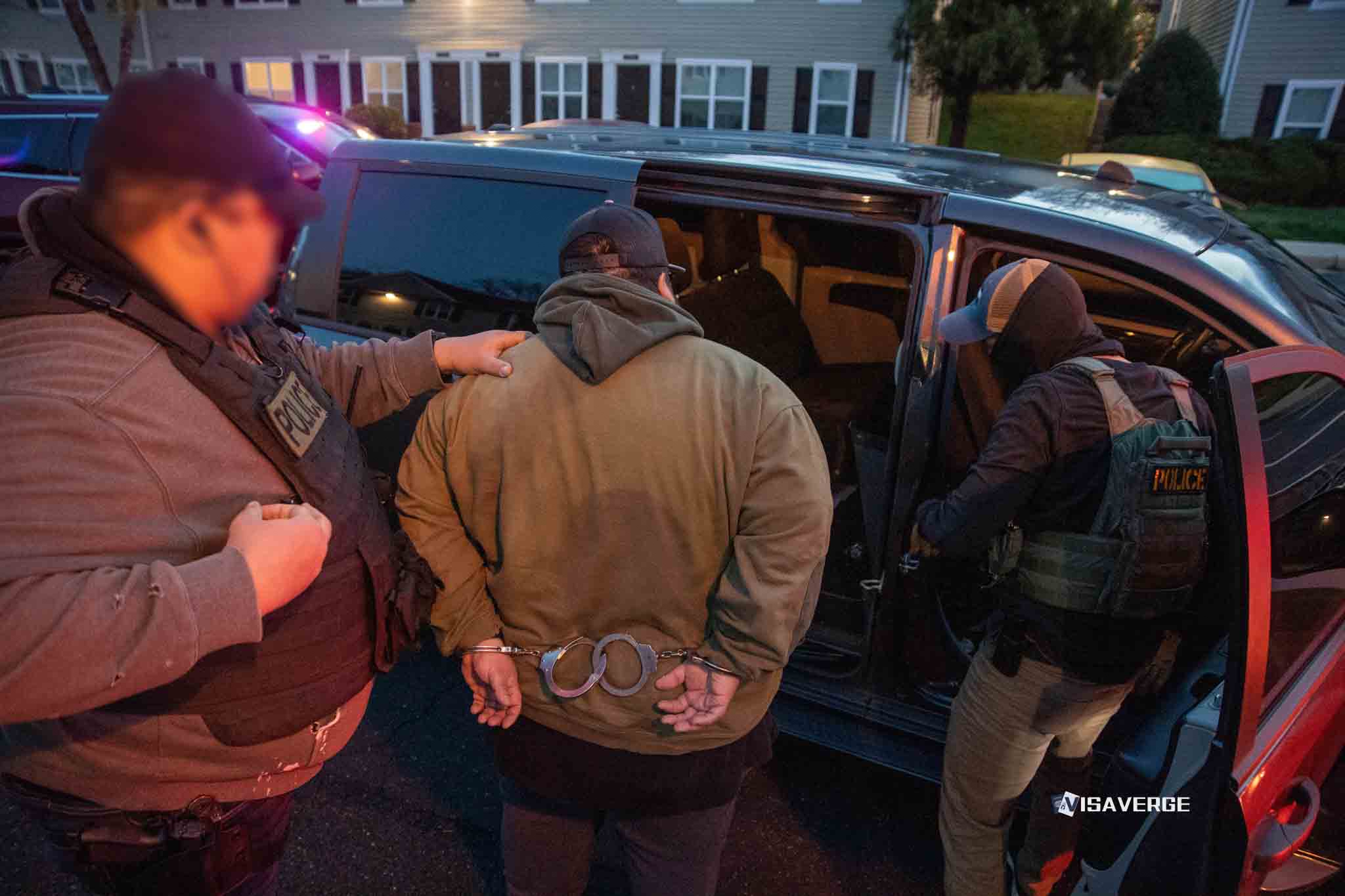
In the video, Mamdani focuses on how Immigration and Customs Enforcement, or ICE, conducts operations in New York City. He warns that ICE agents may show people documents that “look like” official warrants and tell them they have the authority to arrest someone. He then tells viewers:
“That is false. ICE is legally allowed to lie to you, but you have the right to remain silent.”
His message is a direct attempt to counter fear and confusion among mixed-status families and workers after a string of recent enforcement actions.
Mamdani explains that immigration agents do not have free access to private spaces and stresses the limits of ICE’s power when it comes to homes, schools and workplaces. He tells immigrant New Yorkers that ICE cannot enter private spaces such as a home, a school or the private area of a workplace without a judicial warrant signed by a judge. According to his video, people have the right to say “I do not consent to enter” and keep the door closed if ICE officers do not present a warrant signed by a judge.
The mayor-elect repeatedly returns to the idea that silence can be a form of protection. He emphasizes that people in the United States do not have to speak to ICE, can refuse to answer questions, and can ask again and again, “Am I free to go?” if they believe they are being detained. For many in New York’s immigrant communities, where language barriers and fear of deportation are common, the simple instruction to keep asking “Am I free to go?” is presented in his video as a powerful, practical “know your rights” tool.
Mamdani also highlights that people are legally allowed to film ICE officers as long as they do not interfere with an arrest. That detail is particularly striking in a city where bystanders regularly record police interactions on their phones. His video suggests that the same instinct to document what happens on the street should apply when federal immigration agents appear in a building lobby, on a sidewalk, or near a workplace entrance.
The timing of Mamdani’s warning is closely tied to a recent high‑profile ICE operation in Lower Manhattan, around Canal Street, that stirred anger and anxiety in the area. The video was released days after that operation, which spilled into the streets and quickly became a political flashpoint. Scripps News reported that immigration officers’ attempted operation in Lower Manhattan “over a week ago” was “thwarted by over 200 protesters, several of whom had been arrested after a confrontation with officers.” The protests underscored the deep mistrust many New Yorkers feel toward ICE and the willingness of local residents to physically block immigration enforcement actions.
National coverage of the Canal Street operation showed how local activism and federal enforcement are colliding in New York at the very moment Zohran Mamdani is preparing to take office. Scripps News national correspondent Katie Byrne reported that the Department of Homeland Security, which oversees ICE, responded to criticism of its operations by pointing to what it called an increase in assaults on officers. Byrne reported that the department said
“resisting arrest puts the safety of illegal aliens, law enforcement and the public at risk”
and vowed that
“our law enforcement will continue to remove criminal illegal aliens from our country.”
Those statements highlight the stark contrast between the federal government’s enforcement message and the tone of Mamdani’s “know your rights” appeal. While Homeland Security is warning that “resisting arrest” creates danger and is doubling down on the goal of removing “criminal illegal aliens,” the incoming mayor is telling New Yorkers that they can, and should, refuse to open their doors, keep silent, and insist on seeing judicial warrants.
Local television coverage has also drawn attention to the political weight of Mamdani’s move. Fox 5 New York reporter Robert Moses said the video is directed at the city’s roughly 3 million immigrants, including more than 400,000 undocumented people according to a 2022 estimate, and noted that it follows a recent ICE operation in Chinatown. That sequence of events—an operation in Chinatown, a failed raid in Lower Manhattan that drew more than 200 protesters, and now an incoming mayor posting a “know your rights” video—has put immigration enforcement at the center of New York City politics weeks before January 1.
At City Hall, council members are already responding to the same series of ICE actions that spurred Mamdani’s video. New York City Council members have introduced bills to strengthen the city’s sanctuary policies and to force the city government to create and hang signs explaining people’s rights when interacting with ICE. Council Member Alexa Avilés directly linked those efforts to the scale and importance of the city’s immigrant communities.
“Immigrants make up 40% of the city’s population… New York would not be New York without immigrants. They try to divide us. We will continue to strengthen our community connections and solidarity. We want to fight back,” she said.
Avilés’ call to “fight back” by strengthening community connections echoes Mamdani’s insistence that “We can all stand up to ICE if you know your rights.” Both are betting that clear information about what ICE can and cannot do—when it knocks on an apartment door, appears at a factory back entrance, or approaches a street vendor—will make immigrants less likely to panic and more likely to exercise rights that exist regardless of immigration status.
Mamdani’s decision to film and publish a “know your rights” explainer marks a notable shift in how a New York City mayor-elect is using campaign platforms. Rather than focusing only on broad promises about housing, transport or crime, he is walking viewers through scenarios that play out every week in immigrant neighborhoods: a knock on the door early in the morning, a stranger in a hallway flashing a badge, an unexpected question about who lives in an apartment. By warning that
“ICE is legally allowed to lie to you”
and stressing that documents may “look like” official warrants but are not signed by judges, he is signaling that his administration will take a confrontational stance toward federal immigration enforcement.
The message is also clearly aimed at building confidence among undocumented New Yorkers who may fear even stepping outside after seeing videos of ICE operations spread online. In telling people that they do not have to speak, that they can refuse to answer questions, and that they can keep asking “Am I free to go?”, Mamdani is urging them to see themselves not as helpless targets but as people with enforceable rights. His video frames silence, refusal and documentation—filming officers on a phone—as lawful acts of self‑protection.
The clash between that approach and the federal government’s language is stark. The Department of Homeland Security’s warning, relayed by Katie Byrne, that
“resisting arrest puts the safety of illegal aliens, law enforcement and the public at risk”
casts non‑compliance as a threat. At the same time, the department’s vow that
“our law enforcement will continue to remove criminal illegal aliens from our country”
underlines that ICE intends to stay active in places like Chinatown, Canal Street and across the five boroughs, regardless of how city politicians describe its work.
That tension is not likely to ease as January 1 approaches and Zohran Mamdani moves from mayor-elect to mayor. His early focus on ICE and “know your rights” education suggests that confrontations over immigration enforcement—whether on crowded streets in Lower Manhattan or in quiet apartment buildings in Queens and Brooklyn—will continue to play out against a backdrop of city leaders encouraging resistance and federal officials insisting that those same acts put officers and others at risk.
For immigrants weighing what to do if ICE comes to their door, the core of Mamdani’s message is simple: do not assume every piece of paper is a court order, do not feel forced to speak, ask “Am I free to go?” if you are stopped, and remember that
“ICE is legally allowed to lie to you.”
Federal information about the agency and its operations is available on the U.S. Immigration and Customs Enforcement website, but in New York City, at least, the incoming mayor is telling people that the first line of defense is knowing what rights they already have.
Zohran Mamdani posted a Dec. 7 “know your rights” video advising New York’s roughly 3 million immigrants—over 400,000 undocumented—to refuse entry without a judicial warrant, remain silent, ask “Am I free to go?” and film ICE officers without interfering. The guidance follows tense ICE operations in Lower Manhattan and Chinatown that provoked protests and arrests. Mamdani and city officials are pushing sanctuary measures and public signage to help residents understand and assert their legal protections.