- A former ICE detainee sued for medical neglect after removing his own eye during a psychotic episode.
- Facility staff allegedly denied essential antipsychotic medication despite repeated requests and a prior suicide attempt.
- The lawsuit names private prison operator CoreCivic and medical staff as defendants in the permanent disfigurement case.
(PAHRUMP, NEVADA) — Jose Braulio Sedano Navarro sued over alleged medical neglect at the Nevada Southern Detention Center after the ICE detainee, who the complaint says has schizophrenia, removed his own eye during a psychotic episode when he was not given requested antipsychotic medication.
Navarro, a 31-year-old legal permanent resident, filed the lawsuit in the 8th Judicial District Court in Clark County, Nevada, in February 2026 against the Pahrump facility’s operator, CoreCivic, and a facility doctor named as a defendant.
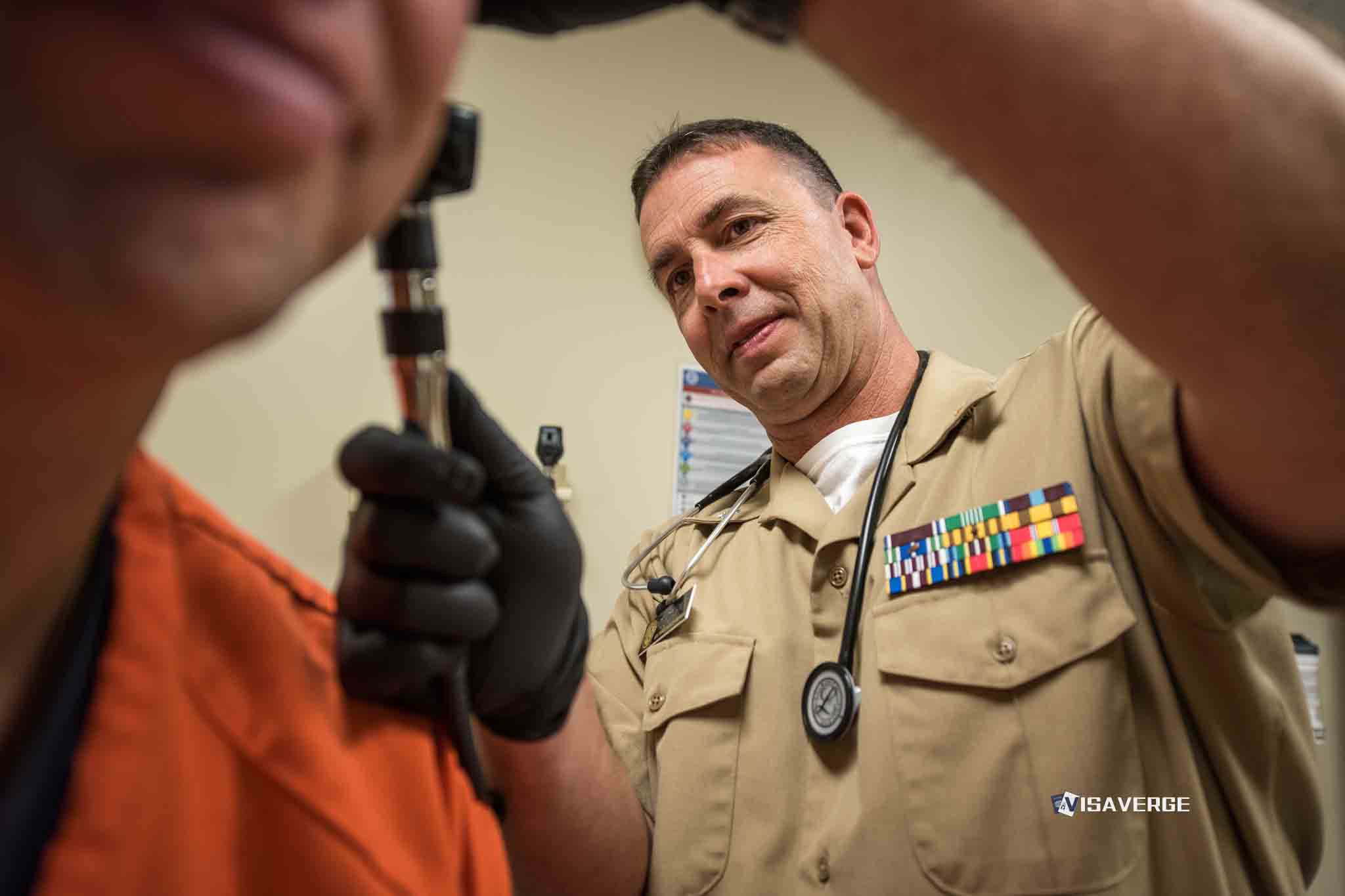
The complaint alleges Navarro suffered a permanent and disfiguring injury because staff failed to respond to escalating mental-health warnings, missed key interventions after a suicide attempt, and did not ensure timely psychiatric care.
Navarro became a “green card” holder in 2007 and entered ICE custody in early June 2025, the lawsuit says. He was held at the Nevada Southern Detention Center, a detention site in Pahrump operated by the private prison company CoreCivic.
According to the complaint, Navarro repeatedly requested his antipsychotic medication, described as a long-acting injectable, and warned staff that he was experiencing hallucinations and hearing voices. The lawsuit alleges a facility doctor failed to provide a proper substitute, while nurses ignored or failed to log his worsening complaints.
In late August 2025, Navarro attempted suicide, the suit says. The complaint alleges the facility’s mental health counselor was not notified and Navarro was not transferred to a hospital for psychiatric care after the attempt.
Two days later, and still in custody without medication, Navarro experienced a psychotic episode during which he removed his own eye, according to the lawsuit. He was airlifted to University Medical Center in Las Vegas, where his vision could not be recovered, leaving him permanently disfigured.
Despite his injury and legal residency status, Navarro was subsequently deported to Mexico, the case summary said.
ICE had not provided a specific comment on the Navarro lawsuit as of March 10, 2026. Reporting by The Nevada Independent said ICE and the facility doctor “did not respond to a request for comment” about the allegations of medication denial and the subsequent injury.
A Department of Homeland Security spokesperson, Tricia McLaughlin, issued general statements about detention medical care during the same period, without commenting specifically on Navarro’s case.
“Ensuring the safety, security, and well-being of individuals in our custody is a top priority at ICE. ICE has higher detention standards than most U.S. prisons that hold actual U.S. citizens,” McLaughlin said on February 11, 2026, in response to similar allegations of medical neglect in the detention system.
In February 2026, McLaughlin also asserted that providing comprehensive medical care is a “longstanding practice from the moment an alien enters ICE custody,” and referred to certain legal challenges against detention conditions as “unnecessary and superfluous.”
CoreCivic defended its operations in a statement provided to The Nevada Independent on or about March 10, 2026. The company said it “adhere to all applicable federal standards” at the Pahrump facility.
The allegations in Navarro’s lawsuit implicate suicide prevention, intervention and referral requirements contained in ICE’s National Detention Standards. The 2025 National Detention Standards, revised on June 18, 2025, require facilities to have a “comprehensive suicide prevention and intervention program” and mandate that detainees at risk of suicide be referred “immediately” to a mental health provider.
Navarro’s attorneys argue those requirements should have driven a different response to his reported hallucinations, the late August 2025 suicide attempt, and the period that followed, when he remained in custody and later suffered a catastrophic self-injury.
The lawsuit also arrives amid renewed scrutiny of how detention standards translate into oversight in a growing system. An independent analysis from the Project On Government Oversight dated January 12, 2026, found ICE facility inspections fell by 36.25% in 2025 as the total number of detainees rose by 78%.
The Nevada Southern Detention Center has also faced federal scrutiny tied to complaints about conditions. The facility became the subject of a federal investigation by the DHS Office for Civil Rights and Civil Liberties launched in September 2024 after 61 complaints in a single year regarding medical negligence and verbal abuse.
Navarro’s case, as described in the lawsuit, centers on alleged failures to protect someone with severe mental illness inside a secure facility where staff control access to medication, observation, and emergency transfer decisions. The complaint’s timeline includes repeated requests for antipsychotic medication, a suicide attempt that the suit says did not trigger notification and referral steps, and a psychotic episode that caused permanent injury.
The case also raises questions about how detention operators and on-site medical staff handle requests for specific psychiatric treatment, including long-acting injectables, and what substitutes or follow-up care may be provided when a detainee reports hallucinations and hearing voices.
Navarro’s attorneys, Thomas Beckom and Lawrence Hill, argue the facility had a clear responsibility to protect a person in custody from “foreseeable harm” regardless of background. They say the injury has severely limited Navarro’s ability to work and has reportedly aggravated his pre-existing schizophrenia.
The lawsuit’s claims remain allegations, and the litigation will determine the facts and liability. Still, the injury described in the complaint underscores the stakes of detention mental-health care, where suicide prevention programs and “immediately” required referrals can mean the difference between stabilization and irreversible harm.
ICE posts the 2025 National Detention Standards at ICE National Detention Standards (2025). The agency also publishes announcements at its ICE Newsroom, while DHS posts updates at DHS Statements.