- The Supreme Court allowed the termination of Temporary Protected Status for most Venezuelan nationals to proceed.
- Approximately 400,000 affected individuals live in Florida, representing 31% of the total U.S. population under this status.
- Only a narrow subset of Venezuelans with specific documentation issued before February 2025 remains legally protected until 2026.
(UNITED STATES) — The Department of Homeland Security ended Temporary Protected Status for most Venezuelan nationals in the United States after the Supreme Court allowed the terminations to proceed, leaving only a narrower group with work authorization and deportation protections through October 2, 2026.
That split has left hundreds of thousands of Venezuelans in legal limbo as court fights continue over the administration’s rollback of protections that had covered large numbers of people since 2021 and later were extended under a 2023 redesignation.
A three-judge Ninth Circuit panel on January 28, 2026, upheld U.S. District Judge Edward Chen’s rulings against the terminations for Venezuelans and Haitians. But the panel’s decision did not take effect because of an earlier Supreme Court stay, so the protections remain fragmented while appeals continue.
Florida stands at the center of the fallout. About 400,000 affected individuals live there, or 31% of the U.S. total, with 254,000 in Miami and 127,000 in Orlando, according to the information provided.
What Temporary Protected Status Means
Temporary Protected Status, or TPS, shields nationals of designated countries from deportation when armed conflict, natural disasters or other temporary crises make return unsafe. It gives work authorization but does not provide a path to permanent residency or citizenship.
For Venezuelan nationals, TPS began under the Biden administration. In March 2021, DHS Secretary Alejandro Mayorkas designated Venezuela for protection because of political oppression, hyperinflation, food shortages and human rights abuses under Nicolás Maduro’s government.
A 2023 redesignation and extension pushed those protections through October 2, 2026, allowing as many as 350,000 Venezuelans to renew or obtain status. Many had arrived through the Biden-era CHNV parole program for Cubans, Haitians, Nicaraguans and Venezuelans.
The Trump Administration’s Rollback
The Trump administration moved to reverse that policy in 2025. On February 5, 2025, DHS Secretary Kristi Noem terminated the 2023 designation, and a September 8, 2025, notice ended the 2021 designation effective November 7, 2025.
Noem cited “notable improvements” in Venezuela’s economy, public health and crime. She also argued TPS had become indefinite and posed security risks.
Court Challenges in California
Litigation followed quickly in National TPS Alliance v. Noem in the Northern District of California. On March 31, 2025, Chen blocked the 2025 termination in a preliminary order, calling it “arbitrary and unlawful,” and protected 350,000 Venezuelans from imminent deportation set for April 7.
Chen said the government’s action would cause irreparable harm to U.S. communities and families. He also cited lower crime rates and higher education levels among TPS holders in rejecting DHS security claims.
A later order from Chen on May 30, 2025, preserved status for people who had received Employment Authorization Documents, Forms I-797, or I-94s by February 5, 2025, with expiration dates of October 2, 2026. Chen then issued a final ruling on September 5, 2025, holding both terminations unlawful and restoring protections through October 2026.
Supreme Court Intervention
The Supreme Court stepped in twice. A May 19, 2025, stay paused Chen’s preliminary block, and an unsigned emergency order on October 3, 2025, halted his final decision and allowed the terminations to move ahead pending Ninth Circuit review.
That order sharply changed who remains protected. For most Venezuelan nationals previously covered by TPS, protections ended on October 3, 2025 under the 2023 designation, or on November 7, 2025 under the 2021 designation.
A much smaller subset still holds valid work authorization and deportation deferral. That group includes Venezuelans with TPS documents issued on or before February 5, 2025 that expire October 2, 2026, under Chen’s May 30 order.
Work Authorization and Automatic Extensions
Some workers also qualify for automatic extensions. Certain 2023 EADs carry extensions through April 2, 2026, including cards that expired April 2, 2025; September 10, 2025; March 10, 2024; or September 9, 2022.
Others can receive 540 days from the EAD expiration date if they timely filed Form I-765 renewals and can show an expired EAD and an I-797 receipt. Initial estimates placed the surviving protected group in the thousands, not the full 350,000.
For everyone else, the consequences are immediate. Those without qualifying documents lost both work authorization and removal protection when the terminations took effect.
The number at risk nationwide is estimated at approximately 350,000-400,000. That group includes overlapping CHNV parole beneficiaries, about 67,000 of whom lost dual protections.
Venezuela’s Ongoing Crisis
Venezuela’s broader crisis remains part of the legal and political fight. More than 7.7 million people have fled the country, and HumVenezuela’s 2024 survey described a “stagnant crisis” that affected 900,000 more people despite some outflows.
Chen’s rulings turned in part on the continuing conditions in Venezuela and on the impact in the United States. The Ninth Circuit later backed that reasoning.
Judge Kim Wardlaw wrote of “real and significant consequences,” including deportations of tax-paying, crime-free family members. Judge Mendoza wrote that Noem’s reasoning showed “racial and national origin animus.”
DHS answered by calling the ruling “lawless activism” and insisting TPS is temporary. Because the Supreme Court stay remains in place, that Ninth Circuit victory has not restored broad protections.
Documentation Confusion and Practical Risks
The legal picture has also produced confusion over documentation. USCIS guidance still includes references on some pages to court-ordered extensions “under protest,” even after the Supreme Court allowed the terminations to proceed.
That uncertainty matters for workers and employers alike. Employers can face fines for hiring people without valid authorization, while Venezuelans who misunderstand their documents can face detention or removal proceedings.
The stakes run beyond immigration court. The affected population in Florida contributes $10.7 billion annually to gross domestic product in industries including construction, hospitality and agriculture, according to the information provided.
Families and businesses now must sort through document dates rather than broad countrywide protection. The dividing line is often whether a person received the right TPS-related paperwork by February 5, 2025, or qualifies for one of the automatic EAD extensions.
Other Forms of Relief
Lawyers and advocacy groups have urged Venezuelan nationals to review every document carefully and move quickly to explore other forms of relief. Options cited in the information provided include asylum, withholding of removal, Convention Against Torture protection, and family-based petitions through U.S. citizen or lawful permanent resident relatives.
Asylum carries a one-year filing deadline from U.S. entry. Withholding of removal and CAT claims do not.
People seeking to keep work authorization through the automatic extension rules have also been urged to file Form I-765 renewals early and track litigation developments closely. A timely filing can mean the difference between losing authorization and getting 540 days of additional coverage.
Enforcement and Broader Political Stakes
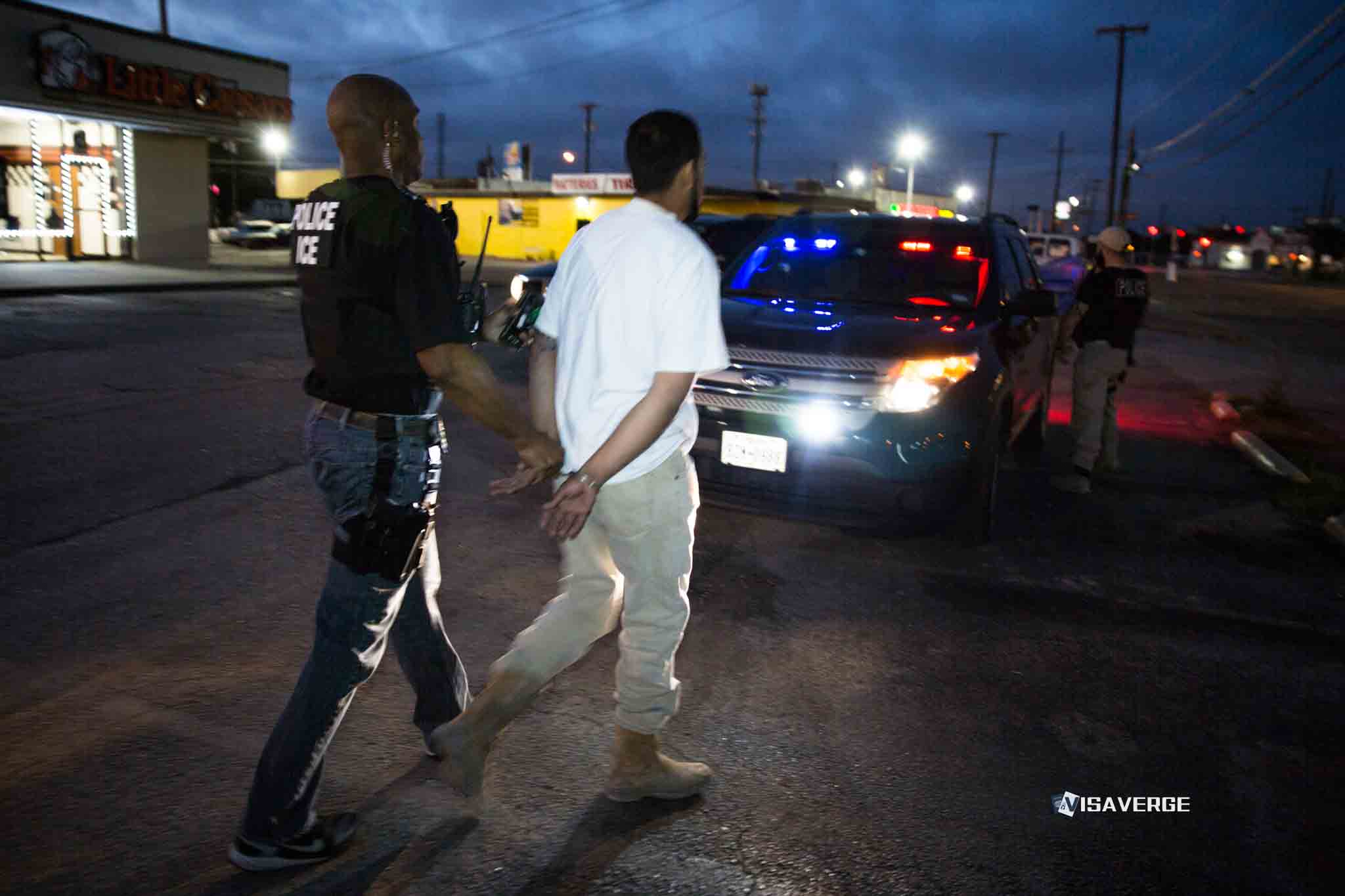
No mass deportation order for all former TPS holders has taken effect, but enforcement pressure has risen. The information provided says ICE enforcement has ramped up, especially under use of the Alien Enemies Act against alleged Venezuelan gang members such as Tren de Aragua.
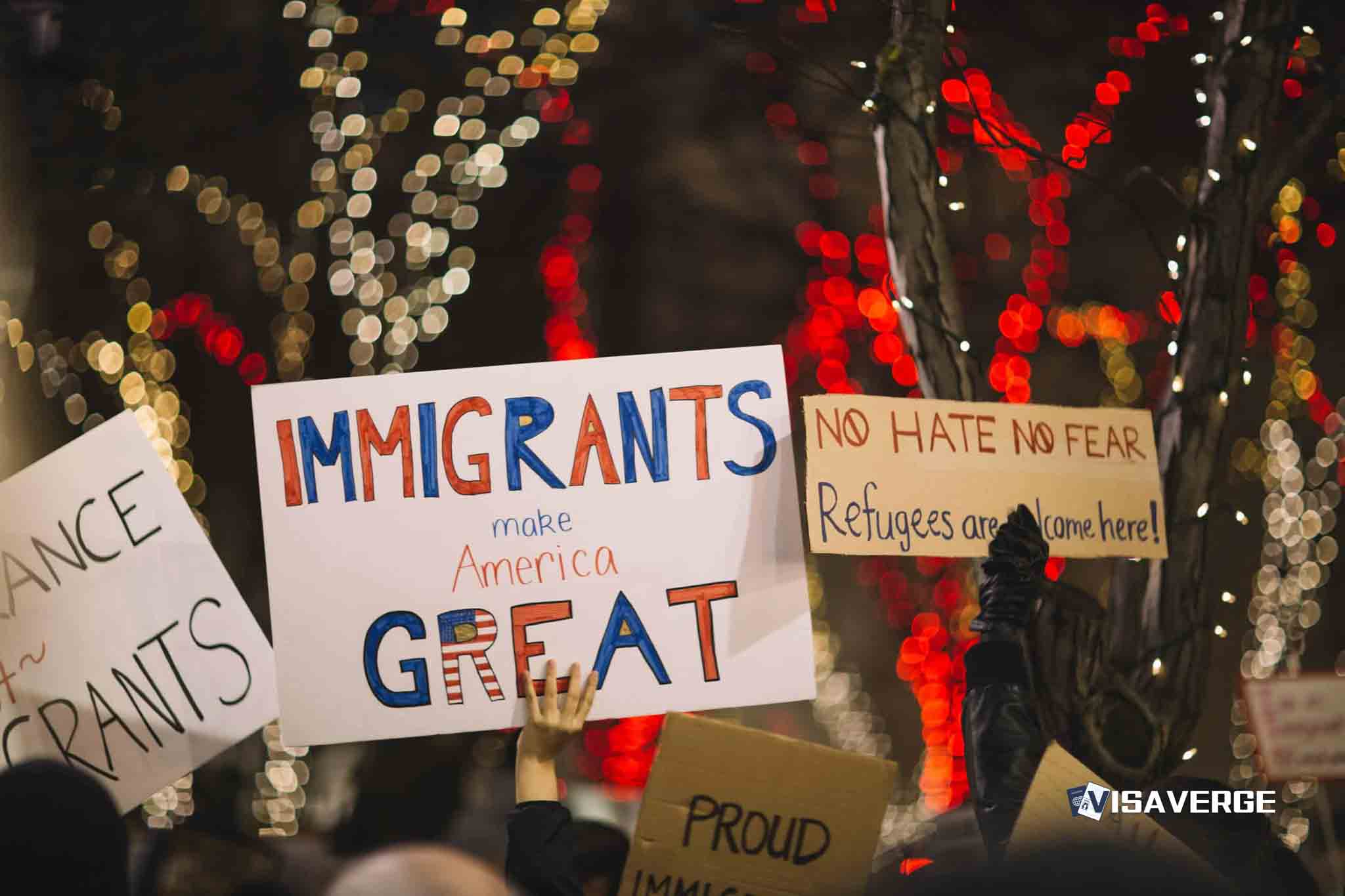
That has intensified criticism from opponents of the terminations, who argue the administration has conflated criminals with the law-abiding majority. Bishops and advocacy groups have condemned the terminations, while the National TPS Alliance has pursued emergency motions aimed at protecting re-registrants.
The political clash over Temporary Protected Status for Venezuelan nationals also reflects a broader fight over how much power an administration has to end humanitarian protections once granted. The Ninth Circuit said Noem exceeded her authority and violated procedural safeguards meant to provide TPS stability.
That finding could shape disputes involving other nationalities, including Haiti and Sudan, though the immediate effect remains limited by the Supreme Court’s stay. The next move may again come from the high court.
Until then, the practical reality is uneven. A Venezuelan with an EAD, I-797 or I-94 issued on or before February 5, 2025 and expiring October 2, 2026, can still work and remain protected for now. A Venezuelan without those papers may already have lost both.
For many families, the difference rests on dates printed on a card or notice. With the Supreme Court still looming over the case, that paperwork now determines who can stay, who can work and who faces the risk of removal while the legal battle over Venezuelan TPS continues.