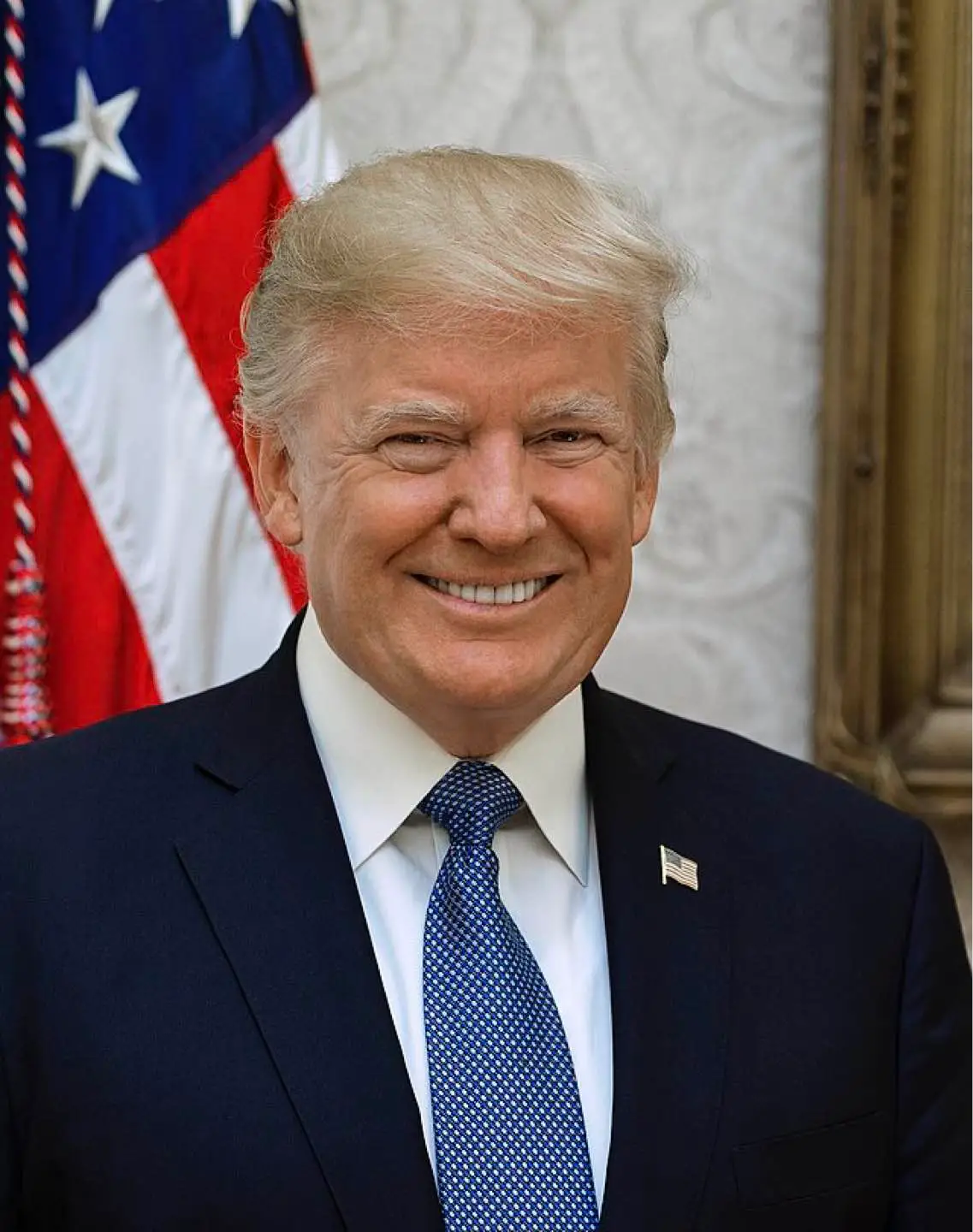
External Affairs Minister S. Jaishankar on Wednesday accused the Trump administration of applying “double standards” to H‑1B visas, warning that the United States 🇺🇸 and other Western countries risk becoming “net losers” if they keep raising barriers for skilled workers.
Speaking in New Delhi on December 3, 2025, at India’s World Conclave on “The Mobility Imperative,” he said countries that depend on advanced manufacturing and high technology cannot afford to shut out the very talent that keeps those sectors alive.
New H‑1B fee rule and immediate response
His comments came in direct response to a sweeping fee hike for H‑1B visas unveiled by the Trump administration on September 19, 2025.
- Under the new rule, employers must pay a one-time $100,000 fee for each new H‑1B petition filed on or after September 21, 2025, for a period of one year.
- Until now, companies typically paid between $2,000 and $5,000 per application.
The White House says the move is needed to address what it calls “systemic abuse” of the program and to “prioritize American workers,” but Indian officials, technology firms and immigration specialists warn the change will price out many employers and push skilled professionals to other countries.
Quick comparison
| Item | Previous typical cost | New one-time fee |
|---|---|---|
| Employer filing cost per H‑1B petition | $2,000–$5,000 | $100,000 |
Jaishankar’s framing: mobility and global talent flows
Jaishankar framed the issue as part of a wider struggle over global talent flows, arguing that modern manufacturing, research and digital services depend on cross‑border mobility.
- “It isn’t only about concerns about immigration or mobility. It is also about loss of jobs and about recreating manufacturing,” he said.
- He pointed to how the U.S. and Europe over the past two decades allowed large parts of their production base to move abroad. Now, those governments are trying to bring manufacturing back while simultaneously making it harder for the engineers, project managers and IT specialists who support those industries to enter.
“They would be net losers if they actually erect too many roadblocks to the flow of talent.”
He stressed that in today’s economy, if people cannot move to where the work is, companies will move the work to where the people are. That directly undercuts the administration’s claim that higher visa costs will safeguard jobs in the United States.
Scale of Indian presence and humanitarian concerns
Indian concern is sharpened by the sheer scale of its presence in the program.
- Indian nationals accounted for 71% of H‑1B approvals in FY 2024, according to figures cited at the event.
- For many Indian families, an H‑1B job in the U.S. supports parents, spouses, and children both in America and back home.
The Indian government has warned of potential “humanitarian consequences” if the new rule forces workers to return abruptly or prevents renewals, cutting off income flows that households have come to rely on.
Impact on employers: who is hit hardest?
Critics argue the $100,000 fee will hit small and mid‑size employers hardest, rather than the large technology giants frequently associated with H‑1B hiring.
- Large firms may be able to absorb the increase or pass costs on to clients.
- Smaller companies in sectors such as healthcare IT, specialized software, and engineering services could simply stop filing petitions.
- That would narrow options for foreign professionals and reduce competition in local U.S. labor markets.
According to analysis by VisaVerge.com, the sharp jump from a few thousand dollars to six figures per petition could effectively turn H‑1B hiring into a tool only the wealthiest corporations can afford.
Administration’s defense vs. Jaishankar’s counterargument
The Trump administration defends the rule as a targeted measure against what it describes as “systemic abuse” of H‑1B visas, particularly by outsourcing and staffing firms.
- Officials argue that raising the cost will force companies to think twice before bringing in workers from abroad when U.S. workers are available.
Jaishankar’s charge of double standards rests on a broader history:
- For decades, Western governments pushed for open trade, offshoring, and global supply chains that moved factories and service centers to countries like India.
- Now, those same economies face political pressure over job losses and are turning to migration controls rather than confronting deeper structural issues.
Politics, perception, and long‑term consequences
At The Mobility Imperative conclave, Jaishankar linked this pattern directly to domestic politics in rich countries.
- He said resistance to the mobility of skilled professionals often comes from groups who feel left behind by globalization, not from hard economic data.
- In his view, punishing foreign workers and the companies that hire them is an easier political message than admitting past policy choices sent jobs overseas and that rebuilding a strong industrial base will take time, investment and cooperation.
Indian officials fear that this short‑term political logic in Washington could have long‑term consequences for both sides.
- For India: fewer H‑1B visas mean fewer opportunities for engineers and computer scientists, and weaker ties with the U.S. technology ecosystem.
- For the U.S.: slower innovation, delayed projects, and difficulty filling specialized roles. Many startups and research labs that drive job creation depend on international teams; if those teams cannot assemble in the U.S., they may relocate to Canada 🇨🇦, Europe or Asia instead.
Uncertainty for current H‑1B workers
The new policy also injects fresh uncertainty into the lives of current H‑1B workers, who already face complex rules and strict time limits.
- While the fee applies to new petitions, workers often rely on extensions, transfers between employers, or changes in role that can trigger new filings.
- Lawyers warn that companies may avoid internal moves or promotions requiring a fresh petition, for fear of paying another $100,000.
- That could leave foreign workers stuck in the same jobs and locations, even when better roles are available.
H‑1B as a symbol of broader tensions
Beyond the immediate policy debate, Jaishankar’s remarks highlight how H‑1B visas have become a symbol of wider tensions over globalization.
- For many in India’s middle class, winning an H‑1B has long been a mark of success, a path to higher earnings, and a link to global networks.
- For some American workers, the program has come to represent fears of wage pressure and job competition.
- The Trump administration’s move to raise fees taps into that anxiety, even as economists and industry groups warn that cutting off skilled immigration will not, by itself, bring back lost manufacturing work.
Where to find official H‑1B information
Information on the existing H‑1B framework, including current rules and pathways, is publicly available on the U.S. Citizenship and Immigration Services website, which remains the main reference point for employers and foreign professionals seeking official guidance on the program’s legal requirements and timelines.
- The agency’s H‑1B page can be accessed through USCIS H-1B Specialty Occupations.
Closing takeaway
For now, Jaishankar’s message from The Mobility Imperative forum is clear: countries trying to rebuild manufacturing and technology leadership cannot at the same time shut their doors to the workers who make those sectors function.
If the Trump administration’s policy stands, Indian officials and industry leaders will be watching closely to see whether companies shift investment and jobs elsewhere rather than pay the new fee — testing in real time his warning that the work will move if the people cannot.
At a New Delhi forum, S. Jaishankar denounced U.S. H‑1B changes as double standards after a Sept. 2025 rule imposing a $100,000 one‑time fee for new petitions. India, responsible for 71% of H‑1B approvals in FY2024, warns of humanitarian and economic fallout. Critics say the fee will burden small and mid‑size employers, push talent to other countries, and hamper U.S. innovation. The debate ties migration policy to broader issues of globalization, politics and industrial strategy.