(UNITED STATES) The United States 🇺🇸 has revoked about 6,000 F-1 visas for foreign students in 2025 under a new policy implemented in April 2025 that treats every visa adjudication as a national security decision, Indian External Affairs Minister S. Jaishankar told lawmakers in the Rajya Sabha. Many of those affected are Indian students, some of whom say they were pushed to leave the country quickly or “self-deport” after being informed that their visas were no longer valid.
Policy shift and official rationale
Jaishankar said the cancellations followed a shift announced by U.S. Secretary of State Marco Rubio in April 2025, when the Trump administration publicly tied student visa vetting more directly to security screening. Under the updated approach, consular and immigration officers now assess not only academic and financial eligibility, but also treat each approval and revocation as part of a broader national security review.
This change has widened the reasons officials cite for cancelling F-1 visas, extending far beyond traditional grounds such as serious crime or fraud. U.S. officials argue the national security decision framework is necessary in a world where threats can be organized online and where individual actors may radicalize quickly.
“A visa is a privilege, not a right,” the U.S. State Department has repeatedly stressed, emphasizing that the United States alone decides who may enter or remain in the country.
Scope and scale of revocations
- Total F-1 visas revoked in 2025: ~6,000
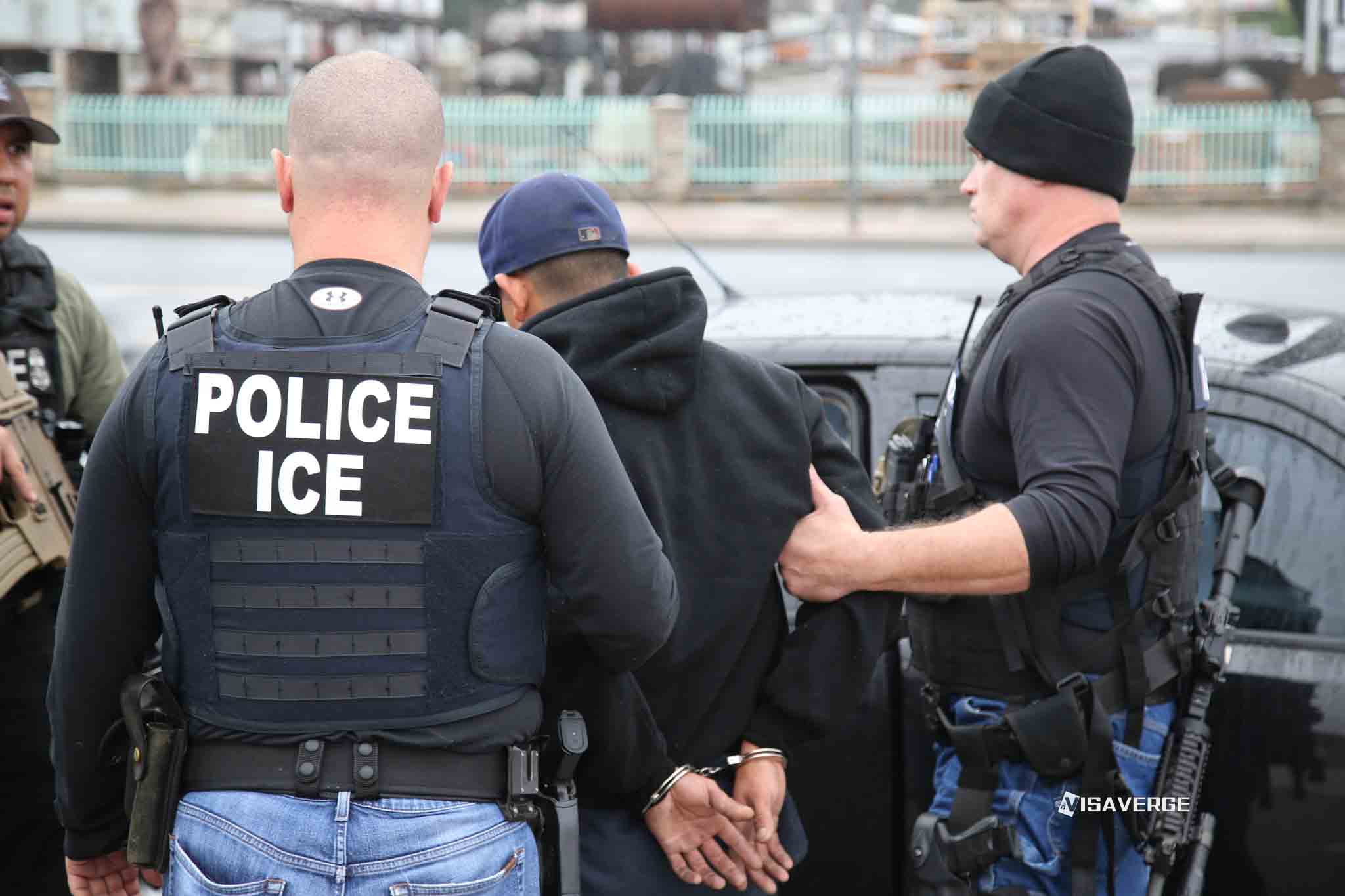
- Of those, ~4,000 were linked to criminal offenses: assault, DUI, burglary, and allegations of support for terrorism.
- Many other cancellations involved minor infractions or online activity that previously would not have led to harsh immigration consequences.
Quick facts (table)
| Item | Figure / Detail |
|---|---|
| F-1 visas revoked in 2025 | ~6,000 |
| Revocations tied to criminal offenses | ~4,000 |
| Fall in Indian student arrivals to U.S. (as of July 2025) | 46% |
Social media, digital screening, and student concerns
One of the most contentious elements is the focus on social media. U.S. officials have tied several cancellations to students’ online posts — including messages expressing solidarity with Gaza — which some security reviewers interpreted as potential support for extremist organizations.
Under the expanded screening rules:
- Students are asked to list their social media handles.
- In many cases, applicants are required to keep profiles public so U.S. agencies can review posts, likes, and follows.
- This deep look into online behavior has left many students uncertain about which posts might later be judged as security concerns (analysis by VisaVerge.com highlights this uncertainty).
Students say old posts or shared content could be misunderstood later, even if their visa was initially approved.
Practical consequences for students
Students whose F-1 visas were cancelled after arrival often faced abrupt, life-altering disruptions:
- Suddenly out of status and unable to continue classes or campus work
- Barred from remaining in on-campus housing
- Told to leave the U.S. within days in some cases
- Forced to return home mid-semester or attempt relocation to another country at significant cost
Lawyers working with affected students describe strong pressure to “self-deport,” compounded when university support is limited and immigration paperwork is dense and legalistic.
Political framing and reactions
By stating that visa adjudications would be treated as security questions, Secretary Rubio signaled a clear administrative priority. Supporters argue:
- The U.S. is taking foreign student vetting more seriously.
- Genuine students with clean records and no troubling online activity have nothing to fear.
Critics counter that:
- The policy casts too wide a net, treating ordinary political speech or peaceful activism as red flags.
- The line between strong opinion and alleged extremism is often unclear, chilling free expression among international students.
Student groups and some education leaders say the climate has changed so much that many now view the United States as a less welcoming place to study.
Impact on Indian students and responses by Indian officials
The tougher approach is part of broader immigration tightening under President Trump, which has also included higher fees and new limits on H-1B work visas.
- Indian government data show a 46% fall in Indian student arrivals to the United States as of July 2025, compared with the previous year.
- Education agents in India report more families now ask about Canada 🇨🇦, the United Kingdom, and Australia before considering U.S. universities.
Jaishankar said Indian consulates and embassies have intervened “in a number of individual cases,” particularly where issues appeared to be minor offenses or social media posts made without intent to promote violence. Indian missions have raised such cases with U.S. officials and asked for reconsideration, while recognizing that Washington treats visa decisions as a sovereign matter.
How students and institutions are reacting
Education consultants report changes in student behavior and application preparation:
- Many students now scrub or lock down social media months in advance.
- Some avoid public comments on sensitive political issues.
- Others reconsider fields of study that might attract additional scrutiny.
Universities and student organizations are grappling with the fallout, as both applicants and enrolled students worry that an otherwise valid study plan can be undone by a security review that reaches far beyond the classroom.
Official guidance on student visas remains publicly available on the U.S. Department of State – Student Visas page, but applicants continue to express anxiety that past online activity could be used against them later.
Key takeaways
- The April 2025 policy treats every visa adjudication as a national security decision, broadening grounds for F-1 cancellations.
- Roughly 6,000 F-1 visas were revoked in 2025, with ~4,000 linked to criminal charges.
- The policy’s emphasis on social media and digital footprints has introduced new uncertainty for international students.
- The fallout includes a steep drop in Indian student arrivals (46% by July 2025), increased interest in alternative destinations, and significant personal and financial disruption for affected students.
For many students and families, the sudden loss of an F-1 visa means sunk tuition costs, disrupted career plans, and personal hardship, even as governments navigate diplomatic limits in addressing individual cases.
The April 2025 policy reclassified every F-1 visa decision as a national security matter, triggering about 6,000 revocations in 2025. Roughly 4,000 cases involved criminal allegations; others stemmed from minor infractions or social media activity. The tightening disrupted students’ studies and housing, pressured some to self-deport, and contributed to a 46% drop in Indian student arrivals by July 2025. Universities and governments seek clearer criteria and support for affected students.