- Visitor visa processing times for Indians dropped to 57 days in the latest IRCC update.
- IRCC deployed 200 additional adjudicators to New Delhi and Chandigarh to accelerate application throughput.
- Study permits remained stable at four weeks for Indian students while Super Visas stay the slowest.
(INDIA) — Immigration, Refugees and Citizenship Canada updated its processing-time estimates on March 11, 2026, showing faster decisions for Indian travellers, students and workers across several visa and permit categories.
The IRCC update showed a sharp improvement for a visitor visa filed from outside Canada, dropping to 57 days from 71 days previously.
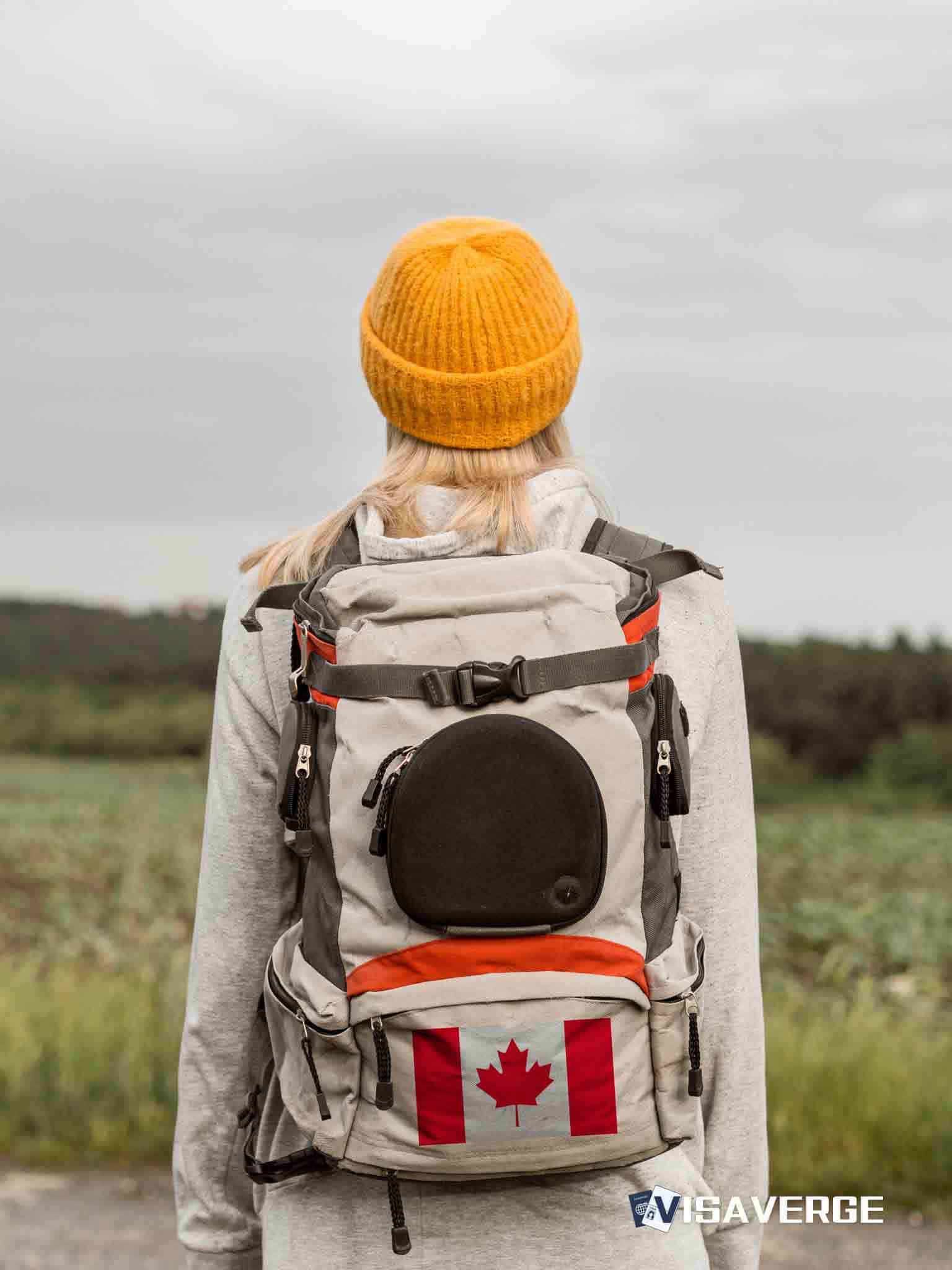
Work permits filed from India also moved quicker, with IRCC listing a processing time of 7 weeks, down from 8 weeks. Study permits remained at 4 weeks, while the Super Visa category eased slightly to 208-210 days from 210 days in February.
The biggest shift in the March 11, 2026 update centred on the visitor visa category, where a 14-day improvement over the Feb 26 update put the estimate at 57 days. IRCC’s table also listed a service standard of 14 days for that category.
For Indian workers, IRCC listed “Work Permit (from India)” at 7 weeks, while also showing “Inside Canada: 259 days” for work permits filed from within Canada. IRCC’s table listed service standards of 120 days (inside) and 60 days (outside).
Study permit processing remained among the quickest lines for Indian applicants at 4 weeks, compared with a prior “3-4 weeks” entry that IRCC described as stable or a slight increase.
Super Visa applications, used by parents and grandparents, still carried the longest processing times in the March 11, 2026 snapshot, at 208-210 days. The February update had listed 210 days.
The latest reductions follow a clear pattern in the visitor visa line for Indians over the first months of 2026. IRCC’s figures showed a progression from 99 days in January to 83 days in late January and early February, then 71 days in early March, and now 57 days.
Work permits showed steady, modest gains over the same period, while study permits stayed reliable for students, with IRCC continuing to list them as one of the faster categories for Indians.
IRCC linked the faster pace to operational shifts after a year-end inventory review. The department also reallocated officers to prioritize visitor visas ahead of summer travel.
One specific change involved staffing on the ground in India. IRCC redeployed 200 adjudicators to the New Delhi and Chandigarh visa offices, a move aimed at lifting throughput as demand rises.
The March 11, 2026 update also pointed to AI-assisted triaging of low-risk applications, a step intended to route simpler files through the system faster while leaving more complex cases to be reviewed in greater detail.
For applicants, IRCC’s processing times do not mean every file will be decided within the posted window. The department said the times reflect 80% of complete applications and update weekly, and that actual processing varies by case complexity, completeness and volume.
Applicants seeking a visitor visa, work permit, study permit or Super Visa still need to align their plans with the category they are applying under, because each line moves at a different pace and can change from one weekly update to the next.
The new visitor visa estimate of 57 days applies to Indian applicants outside Canada, the March 11, 2026 update showed. Applicants filing from different locations or under different pathways can see different timelines.
Work permit applicants also face a split depending on where they apply. IRCC’s March 11, 2026 figures listed 7 weeks for work permits from India and 259 days for work permits filed inside Canada.
Study permit applicants from India continued to see comparatively fast turnaround in the IRCC snapshot at 4 weeks. Even so, IRCC cautioned that real timelines can vary if an application is incomplete or needs additional review.
Super Visa applicants, despite a slight improvement to 208-210 days, continued to face long waits. The category, aimed at parents and grandparents, remained the slowest line among the India-related processing times listed.
IRCC directed applicants to use its online portal to apply. The department also said applicants provide biometrics at Visa Application Centres in New Delhi or Chandigarh.
Applicants can track their case status on the IRCC website, the department said, an option that becomes more relevant as processing times compress and travel or school start dates approach.
The timing of the faster estimates comes as Canada’s travel season approaches, a period that typically brings heavier volumes for short-term entries. IRCC specifically tied its officer reallocation to prioritizing visitor visas ahead of summer travel.
The update also arrives against a backdrop of high interest in Canadian tourism destinations among Indian travellers. IRCC’s broader context referenced interest in places such as Toronto, Vancouver, Niagara, Banff and Sable Island.
In a separate contextual note attached to the recent processing-time discussion, Prime Minister Mark Carney’s arrival in India coincided with February’s IRCC dashboard release, a moment that the update said could boost tourism talks.
For many Indian applicants, the practical next step is choosing the correct category and preparing a complete submission that fits IRCC’s faster windows. Because the posted timelines reflect 80% of complete applications, missing documents or added complexity can still push an individual case beyond the estimate.
With IRCC updating these figures weekly, applicants monitoring a visitor visa, work permit, study permit or Super Visa application may see the department’s posted times shift again, even over short periods.
The March 11, 2026 snapshot, however, offered a clear message for Indians planning travel, study or work in Canada: the visitor visa line moved markedly faster to 57 days, study permits held at 4 weeks, work permits from India eased to 7 weeks, and Super Visa processing stayed the slowest at 208-210 days, even as interest in destinations from Toronto and Vancouver to Banff and Sable Island remains part of the travel conversation.