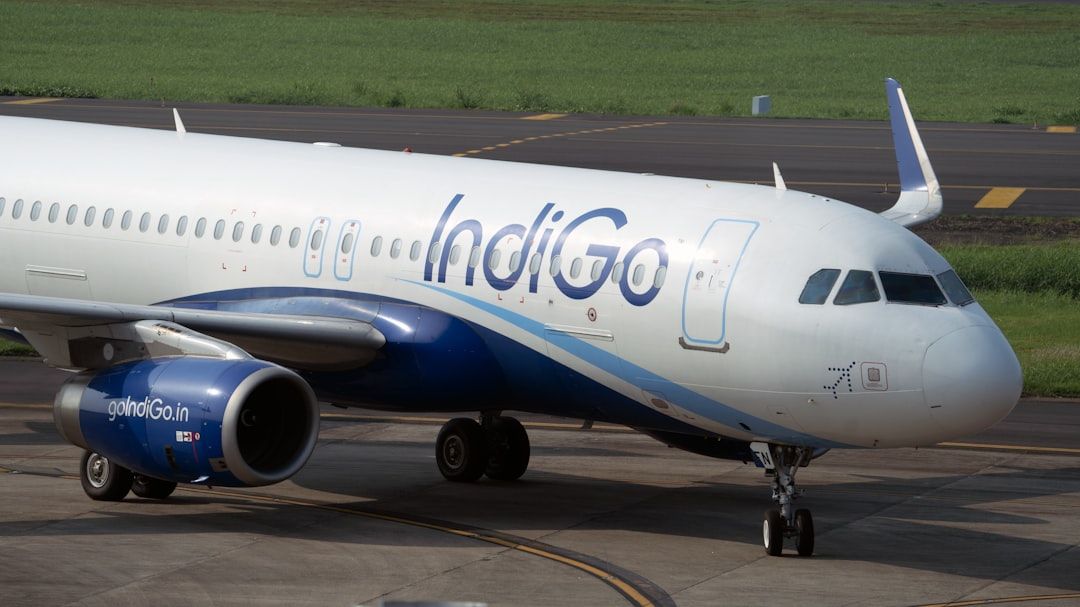
(INDIA) IndiGo, India’s largest airline, said it expects to pay more than ₹500 crore (about £41 million) in compensation after mass cancellations and long airport delays hit passengers on December 3, 4 and 5, 2025. The disruption quickly spilled into holiday travel plans, work trips, and time‑sensitive international connections. The airline said the payout will cover customers whose flights were cancelled within 24 hours of departure, as well as those who were severely stranded in terminals during the chaos.
IndiGo said it has prioritised refunds for all affected passengers by December 2025.
Refunds and compensation timeline
IndiGo’s plan, according to the company’s timeline, is to:
1. Finish the basic refund cycle within December 2025.
2. Move into case-by-case compensation processing for the most badly hit passengers.
3. Contact “severely impacted” individuals in January 2026 to complete those claims.
While the company did not publish a per‑passenger amount, the scale of the charge—₹500 crore+—signals how widely the disruption spread through its network. The airline’s footprint is large: it operates a fleet of 417 aircraft and runs 2,200+ daily flights.
What triggered the disruption
Regulators and the airline pointed to a combination of staffing shortages and regulatory change:
- A sharp shortage of pilots at the same time the Directorate General of Civil Aviation (DGCA) fully enforced stricter Flight Duty Time Limitations (FDTL) rules.
- The DGCA notified the revised framework in January 2024 and revised it again on May 31, 2024, with phased enforcement starting November 1, 2025.
- The FDTL changes:
- Increased required rest hours
- Limited night landings to two per week
- Widened what counts as “night duty” to reduce fatigue
That enforcement collided with how IndiGo had been staffing its operation. The airline, which holds more than 60% domestic market share and is known for a “lean roster,” had a hiring freeze through 2024–2025, leaving less slack when the new duty and rest limits became binding.
Scale of cancellations
- In November 2025, IndiGo cancelled over 1,200 flights, with 755 cancellations tied directly to pilot shortages.
- The disruption worsened in early December, when more than 2,000 flights were cancelled.
Weather and operational knock‑on effects
Winter conditions added pressure to recovery efforts. Fog in north India compounded the airline’s difficulty in recovering aircraft and crews quickly enough to restart normal flying.
For passengers, consequences included:
– Missed hotel check‑ins, funerals, weddings, and onward connections.
– Particularly serious impacts for people with fixed‑date visa appointments abroad or international tickets that could not be changed easily at the last minute.
– Long waits in crowded terminals as gates and departure times moved repeatedly.
Immigration and broader personal costs
Even when disruptions start as domestic problems, the immigration consequences can be immediate and expensive:
- Students and workers with overseas start dates can lose jobs, housing, or school places if they arrive late.
- Families can miss biometrics or interview slots booked months ahead.
- Those with time‑limited entry visas can see validity days elapse while waiting for rebooking.
VisaVerge.com notes that travel disruption is a common hidden cost in cross‑border mobility, because airlines, employers, schools, and consulates often operate on rigid schedules.
Government intervention: airfare caps
The Indian government acted quickly to prevent price shocks as demand surged for remaining seats. Officials imposed immediate airfare caps by distance category, using regulatory powers even though India’s airfares are otherwise largely deregulated.
- Authorities cited examples where some routes jumped to ₹40,000 from ₹5,000.
- Civil Aviation Minister Naidu said the government “stepped in immediately” because capacity constraints linked to IndiGo’s disruption left travellers exposed to sudden fare surges.
Officials said the caps would remain until operations normalised. The move emphasized how one airline’s staffing limits can become a public policy issue when market share is concentrated and disruptions hit during high demand.
Legal and regulatory fallout
The crisis reached the courts: the Delhi High Court addressed pleas seeking details on refunds during the chaos, illustrating how quickly consumer complaints can escalate when disruptions are widespread and communication breaks down.
IndiGo reiterated it would prioritise refunds by December 2025, with further compensation processing for the most affected customers beginning January 2026. For travellers facing immigration deadlines, the practical worry is not only getting money back but also proving to employers, schools, or consulates why arrival dates shifted.
For regulators, the episode became a live test of the DGCA’s ability to enforce fatigue rules without triggering system‑wide breakdown. The DGCA’s role is rooted in safety, and the FDTL changes were framed as responses to fatigue risk, with clearer limits on night work and stronger rest requirements.
The DGCA publishes regulatory information and updates through its official site at the Directorate General of Civil Aviation. The rules apply across carriers, and the source material notes other airlines such as Air India, Vistara, and Akasa did not face similar disruption after complying.
Financial and market impact
Financial markets took note because IndiGo framed the ₹500 crore+ payment as a one‑time, non‑recurring hit to profitability. Still, for many passengers the immediate concern remains reliability rather than quarterly results.
- The article cites 65% market share in some source material, highlighting how IndiGo’s scale means its internal staffing decisions can reshape travel outcomes for millions.
- The compensation bill is substantial, but it is only one measure of the wider cost of those three days of aviation chaos in December 2025.
Key takeaway: The combination of stricter fatigue rules, staffing shortfalls, concentrated market share, and adverse weather created cascading operational failures — producing immediate hardship for travellers and prompting government, regulatory, legal, and market responses.
IndiGo will pay over ₹500 crore after mass cancellations and long delays from December 3–5, 2025, caused by pilot shortages and stricter DGCA Flight Duty Time Limitations. The airline plans basic refunds by December 2025 and targeted compensation starting January 2026. Winter fog worsened recovery. The government imposed airfare caps to prevent price gouging, and courts reviewed refund complaints. The episode tested regulators balancing safety-driven fatigue rules with network resilience.
Live Government Data
State Dept • CBPBusiest Border Crossings
- San Ysidro 175 min
- Calexico 150 min
- Calexico 120 min