Key Takeaways:
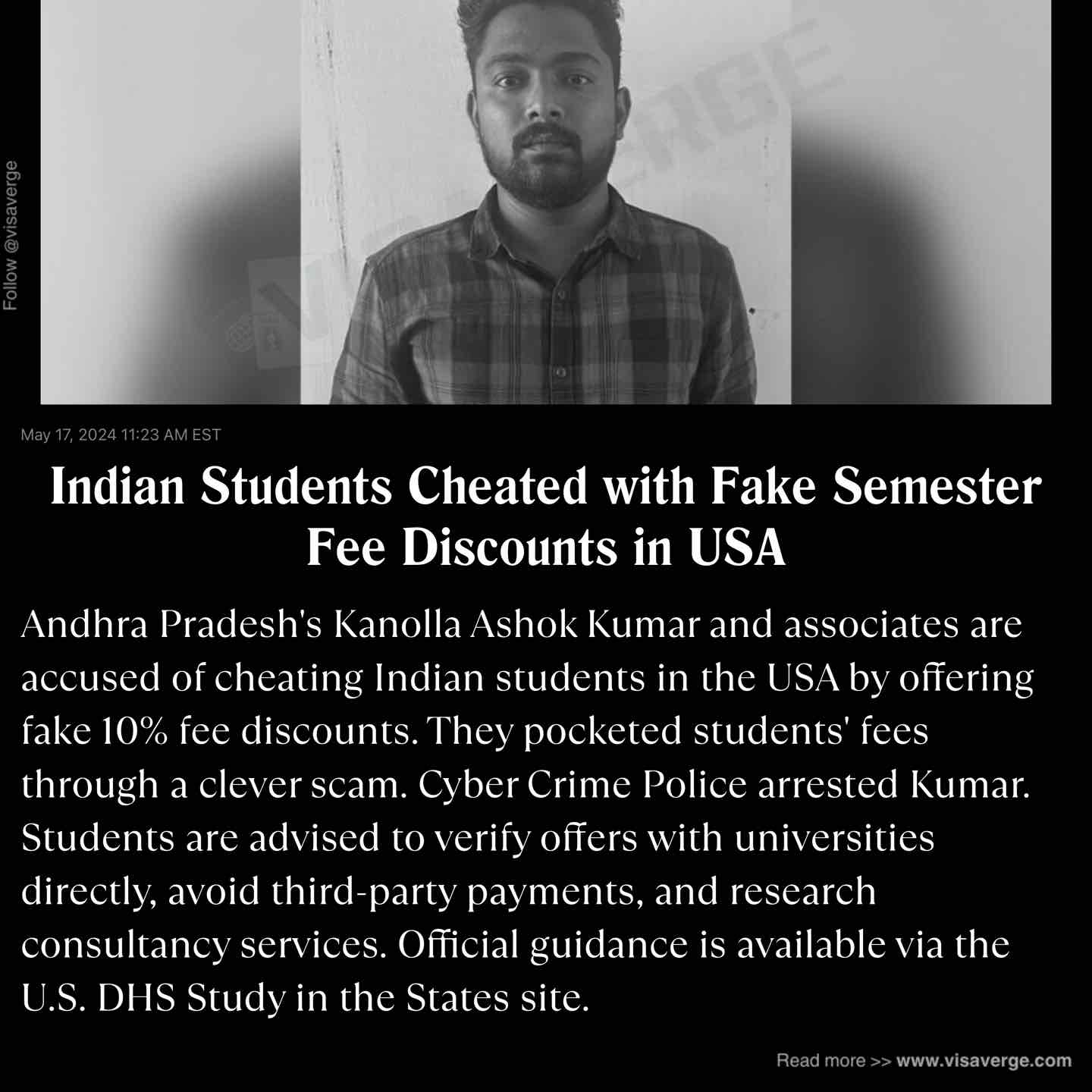
- Kanolla Ashok Kumar was arrested for defrauding Indian students in the USA by promising 10% discounted semester fees.
- Scammers used student databases to contact victims, convincing them to transfer fees, then reversed payments to pocket the money.
- Police registered the case, recommending students verify offers, avoid third-party payments, and use official university channels for fee transactions.
What Happened to Indian Students’ Semester Fees in the USA?
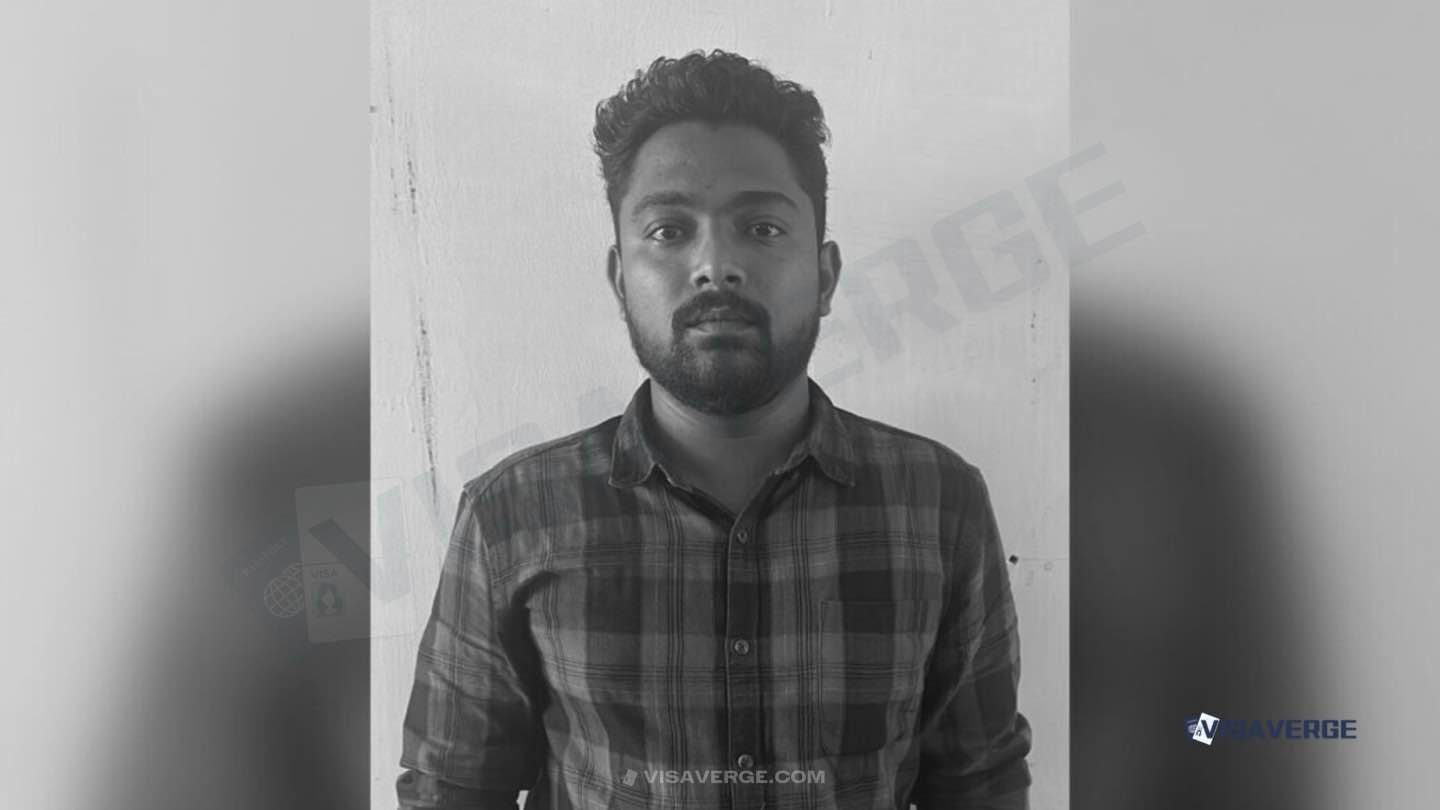
In a remarkable case of fraud, Andhra Pradesh native Kanolla Ashok Kumar, aged 28, was apprehended by the Cyber Crime Police in Hyderabad. He is accused of cheating Indian students studying in the USA by promising them a 10% discount on their university semester fees. Here’s a detailed look at this case and how it unfolded.
How Was the Fraud Executed?
Ashok Kumar, along with his associates Tarun, who resides in the USA, and Waquar from New Delhi, worked in consultancy agencies that assist students in studying overseas. They utilized their access to student databases to pinpoint their victims. The scammers reached out to Indian students at various American universities, pretending to offer a 10% discount on their semester fees.
How Did the Scammers Convince Students?
By leveraging their consultancy backgrounds and access to student databases, the scammers convinced students to trust them. They offered to pay the semester fees on the students’ behalf, claiming they could secure a 10% discount. Students transferred their entire semester fee amount to the scammers’ bank accounts, believing this arrangement would save them money.
The Mechanics of the Scam
Here’s how the scam worked:
- Collection of Fee Amount: Students were asked to transfer their semester fee amounts to the scammers’ bank accounts.
- Apparent Payment: The scammers used their credit or debit cards to make a temporary payment to the university. This action changed the payment status to ‘paid’ for a short period.
- Reversal of Payments: The scammers would then reverse the payment after a few days, causing the fee status to revert to ‘not paid’.
- Pocketing the Fees: As the payment reversal occurred, the scammers kept the semester fee that the students had transferred to them.
A Victim’s Experience
A resident of Trimulgherry in Hyderabad filed a complaint after being cheated of Rs 4,38,599. The victim was led to believe this amount would cover his son’s semester fees at the University of West Florida with an additional 10% discount. Instead, he found out that the payment had been reversed, and the scammers had vanished with the funds.
Legal Actions and Charges
Following the complaint, the Cyber Crime Police registered the case under sections 66(C) and (D) of the ITA Act-2008, along with sections 419 and 420 of the Indian Penal Code. The investigation began to track down Kanolla Ashok Kumar and his accomplices. This case highlights the significance of vigilance when dealing with offers that appear too good to be true.
Avoid Falling Victim to Such Scams
If you are an Indian student studying abroad, especially in the USA, take these steps to protect yourself:
- Verify Offers: Always cross-check any offers related to semester fees with your university directly.
- Avoid Third-Party Payments: Be cautious about allowing third parties to handle your payments. It’s safer to pay your fees through official university channels.
- Research Consultancy Agencies: Ensure any consultancy service you use is reputable and well-reviewed.
Trust Official Sources
For more information on safely navigating your semester fees abroad, refer to the U.S. Department of Homeland Security’s Study in the States website. This official government resource provides valuable guidelines for international students studying in the USA.
Conclusion
The case involving Kanolla Ashok Kumar serves as a cautionary tale for Indian students and their families. Scams targeting students’ semester fees are a grave risk, and awareness is crucial. Always ensure your transactions are secure and verified through official channels to avoid falling victim to such fraudulent schemes. Stay informed and cautious, and, when in doubt, seek guidance from your university’s official resources.
Learn Today:
Glossary
1. Cyber Crime Police
– A specialized law enforcement unit that deals with crimes involving computers and digital technology, including online fraud.
2. Consultancy Agency
– An organization that provides expert advice and services, often helping students with processes related to studying abroad, such as university applications and visa documentation.
3. Fraud
– Wrongful or criminal deception intended to result in financial or personal gain, such as promising false discounts to cheat students out of their money.
4. Reversal of Payments
– The act of canceling a financial transaction after it has been temporarily processed, often used by scammers to manipulate payment statuses.
5. ITA Act-2008
– The Information Technology Act, 2008; Indian legislation that deals with legal issues concerning cyber activities, including sections related to identity theft and online fraud.
These definitions provide a basic understanding of the specialized terms used in the context of the provided content.
This Article In A Nutshell:
Indian students in the USA were scammed by promising a 10% discount on semester fees. Police arrested the culprits for fraudulently collecting funds. Students were duped by fake discounts and payments reversed after transfer. Verify offers directly with the university and avoid third-party payments. Stay vigilant and cautious to protect against such scams.
— By VisaVerge.com