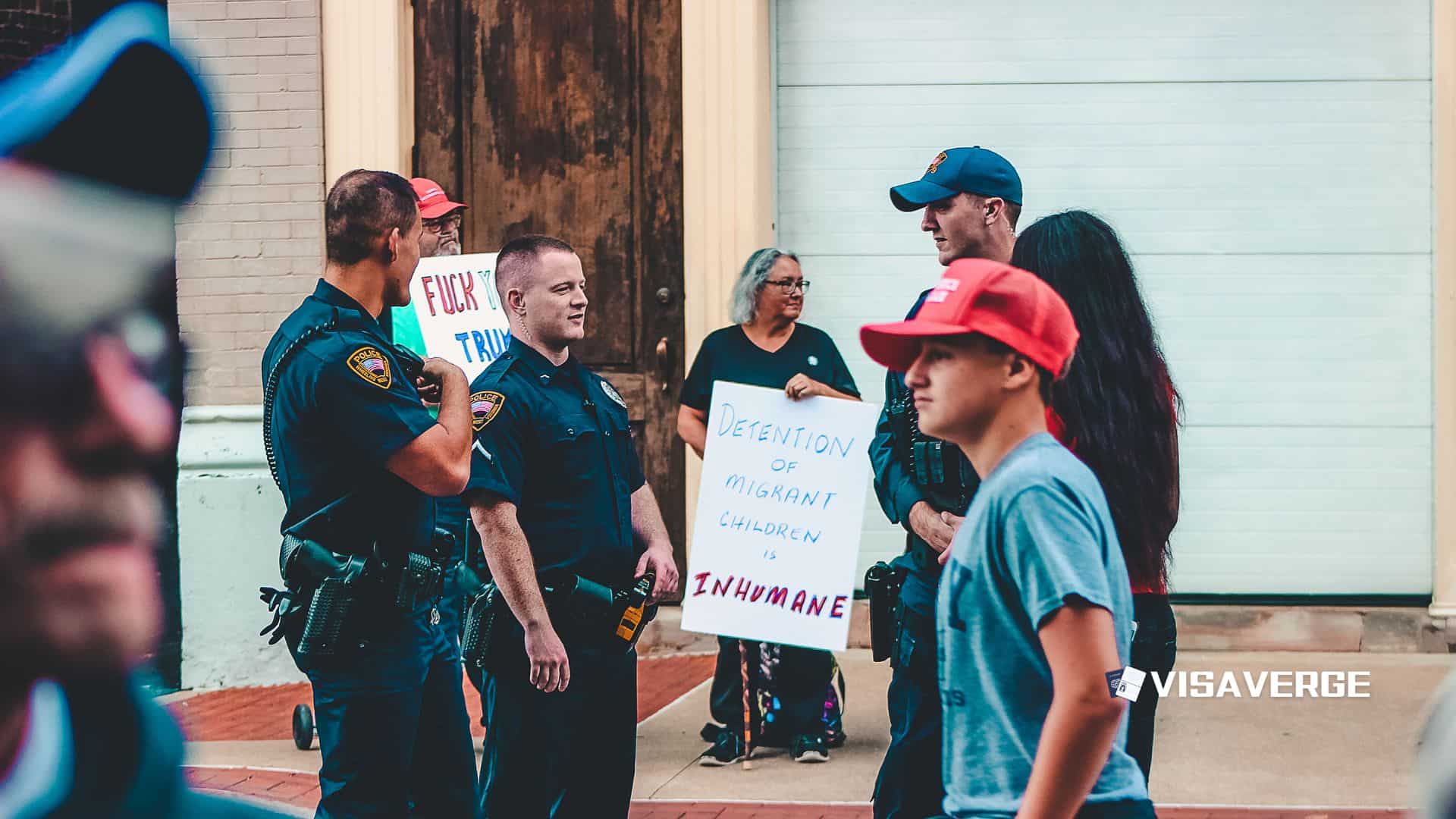
- ICE is detaining asylum seekers during routine check-ins in Maine, creating a compliance paradox.
- Advocates report enforcement targets individuals without records and those with valid work permits.
- Legal clinics are triaging high demand as detention accelerates case timelines and limits counsel access.
(MAINE) — ICE has detained immigrants in Maine during routine immigration check-ins tied to asylum cases, raising the stakes for people who must report regularly to remain in compliance while trying to avoid custody.
As enforcement operations have intensified since early 2025, advocates said asylum seekers now face a dilemma in which compliance can bring detention and noncompliance can trigger swift consequences.
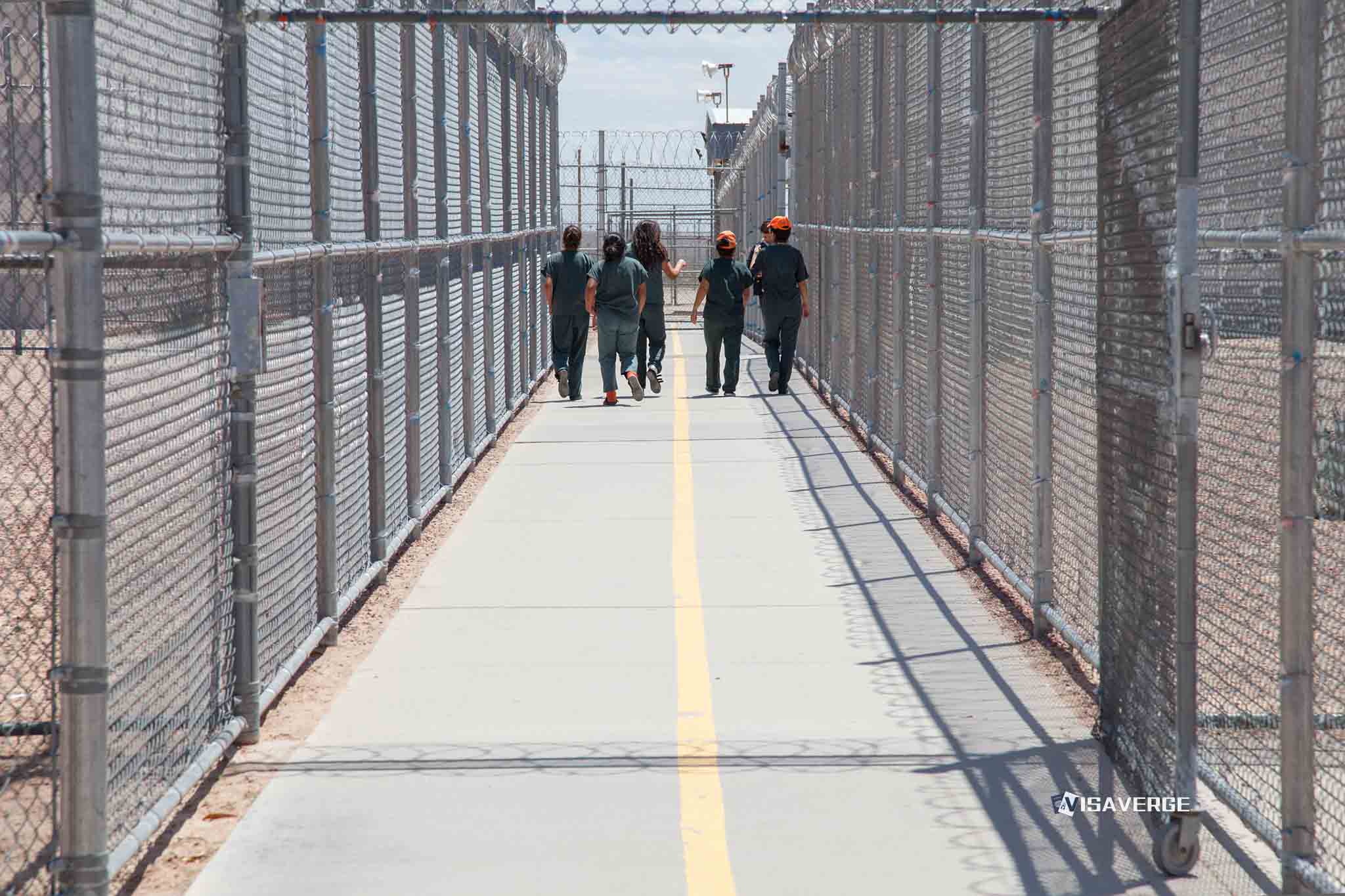
Immigration advocates described many required check-ins as a high-risk encounter for people already in proceedings, including those pursuing asylum or other protections.
For many asylum seekers, check-ins exist because immigration authorities require regular reporting as part of supervision while a case moves through the system. Attendance can serve as proof someone is following the rules while waiting for immigration court to decide what happens next.
Advocates said that structure now creates a paradox: showing up can lead to detention, but missing an appointment can violate asylum terms and trigger immediate removal proceedings.
They described the predicament as “damned if you do, damned if you don’t.”
The dynamic has intensified following “Operation Catch of the Day,” an enforcement surge targeting Maine under the Trump administration.
Officials characterized the operation as targeting “the worst of the worst” criminals, but advocates said the enforcement reach has gone beyond that description.
Detainees have included individuals without criminal records, those with valid work permits, and immigrants who had been regularly checking in with federal authorities since 2019.
The broader reach has widened anxiety well beyond people with criminal histories, reaching immigrants who believed that participation in required processes protected them from sudden detention.
Once someone enters detention, the pace of an immigration case can accelerate and the demands for legal work can compress into days, not months.
Detained cases move quickly, increasing pressure to secure counsel for bond requests, filings, and preparation for asylum claims that can hinge on detailed documentation and tight timelines.
The Immigrant Legal Advocacy Project, known as ILAP, provides free legal assistance to detained immigrants in Maine, but capacity constraints limit availability.
Detention can make representation harder to secure even when legal help exists. Communication barriers and limited access can slow fact-gathering, and early hearings can arrive before a person has assembled records or reached a lawyer.
Maine Law’s Refugee and Human Rights Clinic has expanded its detention-related workload since January 2025 as custody became a more common threat point for immigrants already known to the system.
Since January 2025, the clinic has conducted approximately 300 consultations with immigrants held in Cumberland County Jail in Portland and Two Bridges Regional Jail in Wiscasset.
Those consultations typically function as one-time triage consultations rather than ongoing representation, reflecting how demand can outstrip the ability to take full cases.
Beyond detention triage, the clinic has assisted over 650 immigrants through direct representation and outreach since January 2025.
It has also provided legal information on family preparedness to more than 200 individuals facing potential enforcement since January 2025, as families try to plan for the possibility that a parent or wage earner could be detained.
The speed of detained cases creates a second layer of strain for nonprofit and clinic services: urgent matters arrive at once, while each case can require intensive preparation and repeated client contact.
Even where help is available, the reality of detention can narrow the time window for lawyers to get documents, gather evidence, and prepare for hearings that may come quickly after someone is taken into custody.
Status complexity can also increase exposure during enforcement, especially for immigrants living in a gray zone of lawful presence or partial authorization while they wait for decisions.
Approximately 18% of Maine’s immigrant population lacks permanent legal authorization, including many in “liminal” status.
Advocates described that status as a gray area in which the government is aware of someone’s presence through asylum programs or other protective mechanisms, even though the person lacks a permanent legal foothold.
That visibility can become a point of vulnerability when enforcement expands. Participation in legal processes creates touchpoints that can make people easier to locate, including check-ins, court appearances, and applications tied to an address and identity information already on file.
For asylum seekers and other immigrants in proceedings, the very steps required to comply with the system can double as moments of exposure, especially when enforcement becomes more aggressive.
As a result, people who are not hiding from the system can still find themselves detained during interactions they believed were routine.
The shift also means community impact can spread quickly. When a sizable share of immigrants lack permanent authorization, disruptions from detention can ripple through workplaces, families, and support networks.
In Maine, several organizations offer assistance to detained immigrants seeking asylum help, though each has its own scope and limits.
ILAP provides free immigration legal help through its Detained Help Request form and operates a Pro Bono Asylum Panel that connects individuals with volunteer attorneys.
The pro bono panel can be a pathway to representation for asylum seekers who would otherwise face court alone, but capacity constraints can still limit how many cases the network can take at any given time.
Maine Law’s Refugee and Human Rights Clinic offers detention consultations and information about the immigration court process, including what detained immigrants can expect as their cases proceed.
Community support can also play a role when detention cuts someone off from income, phone access, and basic necessities. Mainers for Humane Immigration provides commissary support, bond assistance, and post-release support through an intake hotline at (207) 747-1409.
For some immigrants, legal needs intersect with work conditions and geography. Pine Tree Legal’s Farmworker Unit serves farmworkers facing detention, a population that can face distinct barriers to accessing counsel and staying connected to family and support networks.
Families and supporters often start with a basic problem: figuring out where someone is held and what stage a case has reached once detention begins.
Individuals can check their immigration court case status using their A-number and country of birth, a common starting point for tracking what hearings are scheduled and which court has the case.
Detained immigrants and their families may also need to coordinate directly with detention facilities to arrange calls or visits, which can be essential for collecting facts and signing documents in time for court deadlines.
As detention becomes more tied to routine check-ins, the practical consequences can turn on timing. People can move from community supervision to custody quickly, and the window to respond can narrow immediately.
The accelerated pace means early communication matters, because initial filings, bond-related requests, and case preparation can become urgent soon after detention begins.
Capacity limits can shape what happens next. Even with free legal assistance and clinic consultations available in Maine, demand can exceed supply, and lawyers may have to triage the most time-sensitive situations first.
Advocates and legal providers have emphasized the value of staying organized because detained cases can move fast and decisions about screening and representation can depend on quickly confirming identity and case information.
For families, the immediate task often becomes pulling together identifiers and basic documentation while trying to keep contact with someone who may have limited ability to call, write, or access records from custody.
In Maine, the broadened scope described by advocates under “Operation Catch of the Day” has turned routine compliance moments into stress points, leaving asylum seekers weighing the risks of showing up against the consequences of staying away.