(RALEIGH, NORTH CAROLINA) Immigrant rights advocates are warning that a new wave of ICE enforcement in central North Carolina is already underway, saying federal teams began arriving December 1, 2025, and could ramp up operations across the Triangle region in the coming days. According to organizers tracking these operations, approximately 50 additional federal agents have been deployed to the state, raising alarm in communities from Raleigh to Cary and Durham about who might be targeted and when the activity might end.
Where agents are appearing and who is concerned
Advocacy groups say this new push appears focused on the Triangle region’s dense immigrant neighborhoods and busy commercial corridors, where people from Latin America and South Asia live and work side by side. They describe the deployment as part of a broader pattern of stepped-up immigration enforcement in central North Carolina.
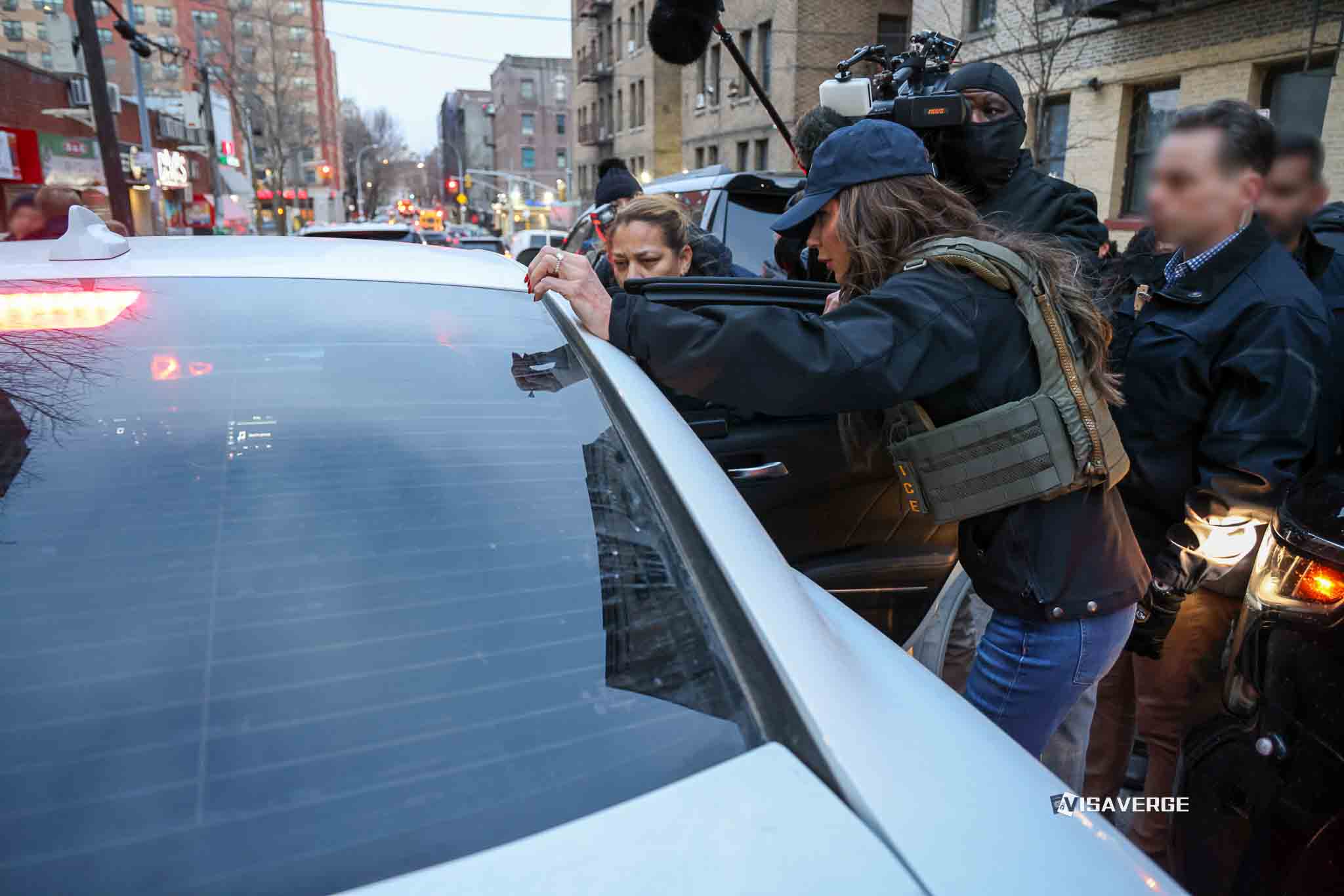
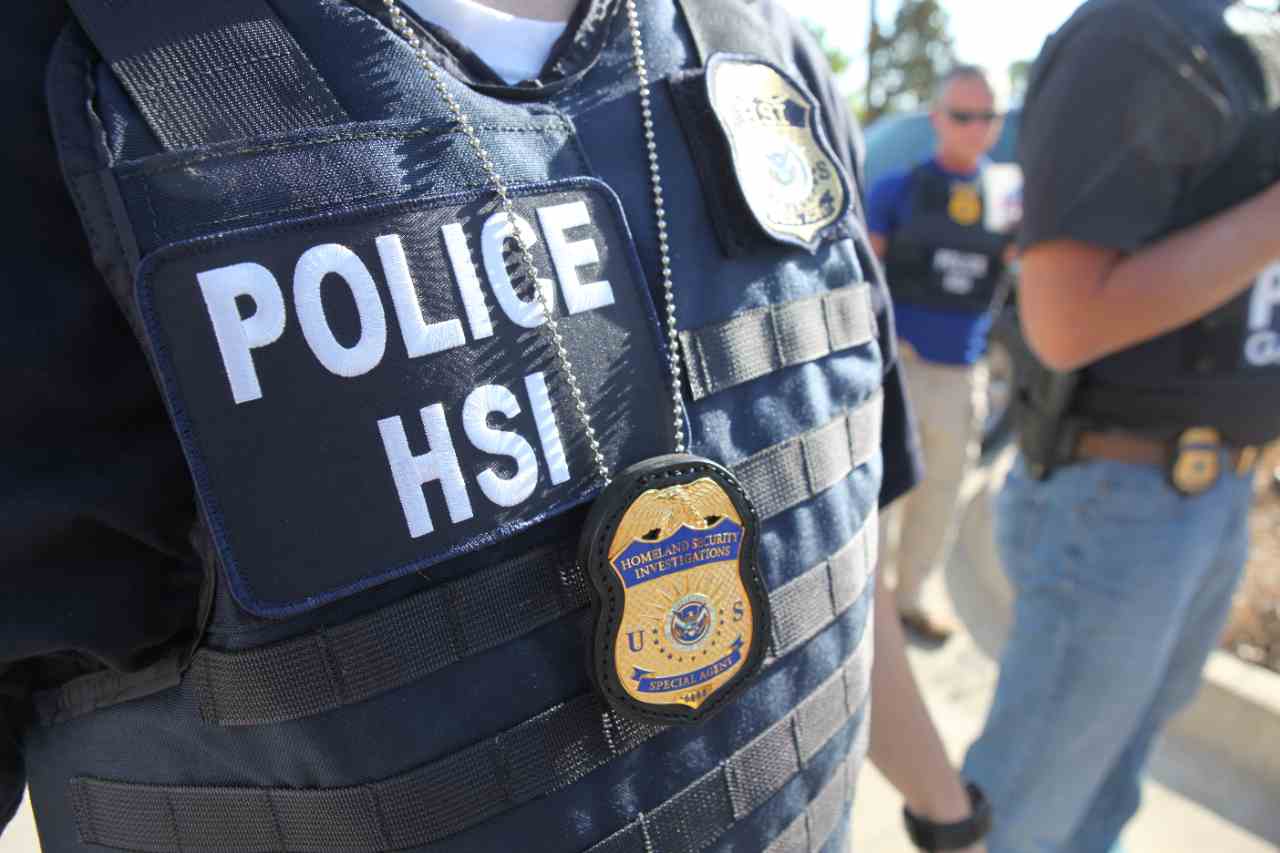
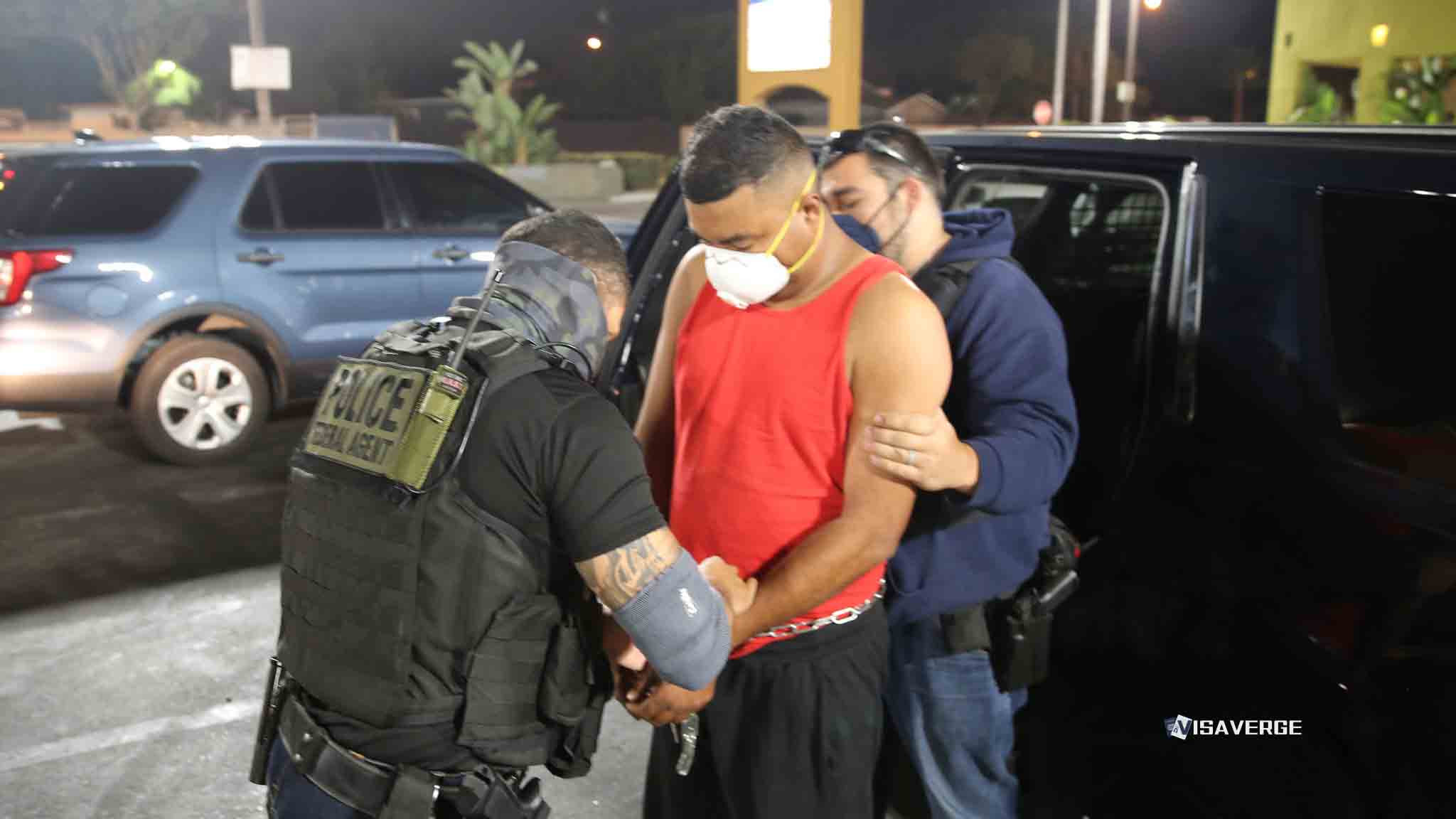
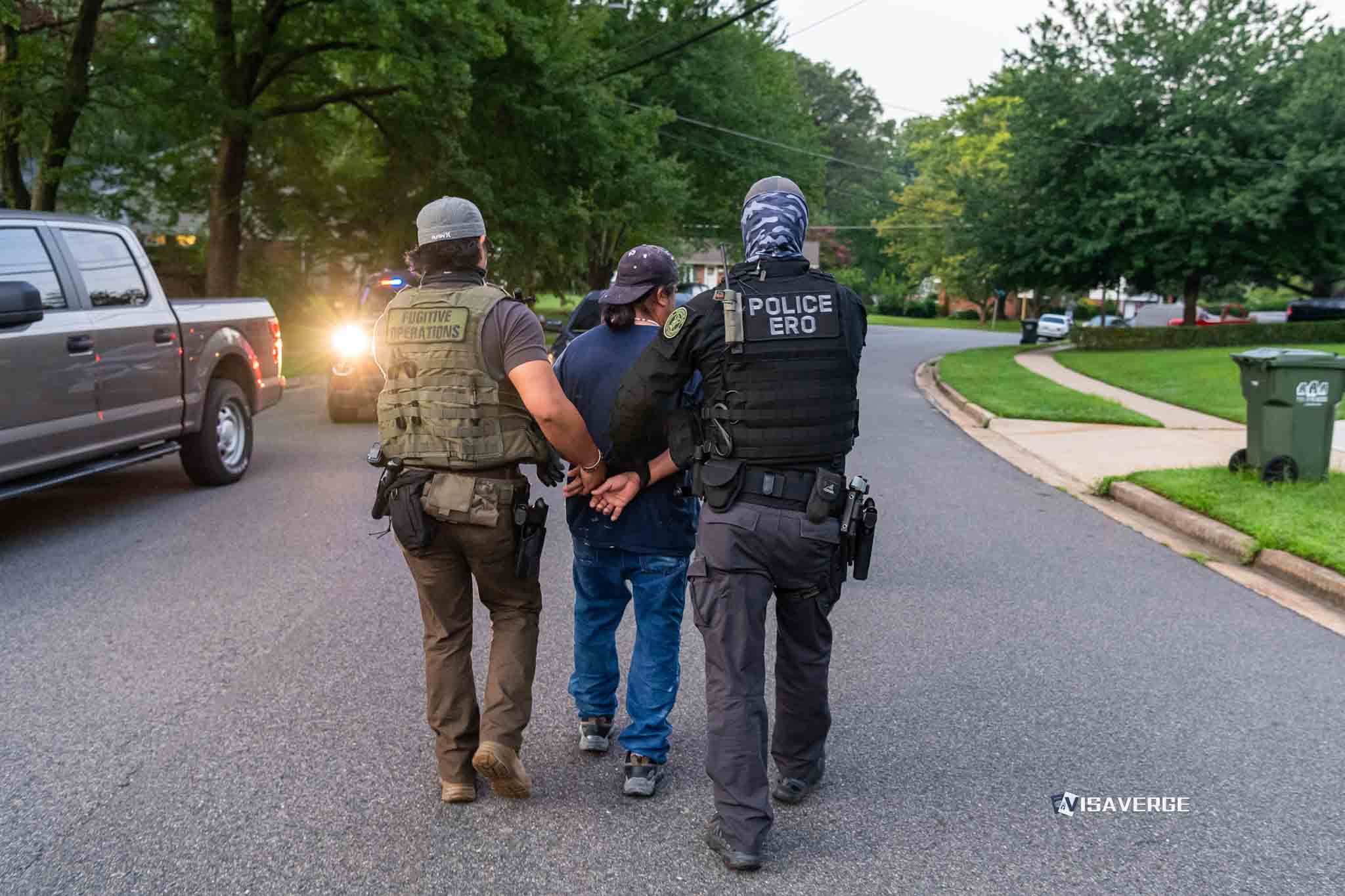
Residents in several towns have reported seeing federal personnel they believe are involved in ICE enforcement, including agents wearing bulletproof vests outside businesses and apartment complexes. In Cary, several people described seeing arrests in real time, with agents escorting individuals in handcuffs through parking lots and residential areas. Those scenes, shared widely on social media, have fueled fear among families who worry that a routine trip to work, school, or the grocery store could now carry new risks.
How daily life has changed
The visible presence of federal agents near homes and workplaces has shifted daily life almost overnight.
- Parents report keeping children indoors and avoiding public spaces where agents were seen.
- People without legal status — and some who do have status — say they now hesitate to drive, answer the door, or visit medical offices unless absolutely necessary.
- Immigrant-owned businesses have reacted by closing or shortening hours after customers stopped coming in, either out of fear or because they had seen agents nearby.
Community organizers worry that day laborers, restaurant workers, and cleaners are especially at risk of both arrest and job loss.
Agency roles, confirmations, and local response
Customs and Border Protection (CBP), which works alongside U.S. Immigration and Customs Enforcement in federal immigration efforts, has confirmed its main operational focus in North Carolina remains Charlotte. Even so, CBP agents were briefly active around Raleigh, according to both local officials and residents who saw them.
Raleigh Mayor Janet Cowell has acknowledged the arrival of federal agents in the city on December 1, 2025, confirming what many residents had already reported. While details about the scope and duration of the activity remain limited, her acknowledgment added weight to community reports that this is not a rumor or isolated incident.
Local officials are under pressure from immigrant families, faith leaders, and civil society groups to seek clearer answers from federal agencies about what is happening in their neighborhoods.
“Without clear information, rumors and panic can spread far faster than facts, leaving families unsure who is at risk and how to protect themselves.”
Who feels targeted
Advocates working with Hispanic and South Asian residents say both groups report feeling targeted by this new phase of enforcement — even when they are not sure which federal agency is present on a given day.
- Many community members, especially those with limited English, struggle to tell the difference between local police, state officers, and federal immigration personnel.
- Now, any uniform or marked vehicle can trigger fear, because people worry it might signal danger for themselves or relatives.
Rights, safety reminders, and resources
Immigrant rights groups are urging residents to learn their legal rights when approached by federal agents. Key reminders include:
- You generally have the right to remain silent.
- You can ask for a lawyer.
- Do not open the door unless agents present a warrant signed by a judge.
- Keep copies of important documents and emergency phone numbers in a safe place.
According to analysis by VisaVerge.com, know-your-rights efforts often intensify whenever visible federal operations spread across regions like central North Carolina, because fear alone can cause serious harm even to people who are not directly targeted.
For general background on immigration enforcement and agency roles, federal information is available on the ICE official website. Organizers stress that this resource does not answer immediate local questions about where agents will be and what they might do in the coming days.
Community impact and requests to federal agencies
Immigrant rights groups are asking for more transparency and accountability from federal agencies carrying out operations in the Triangle region. Specific questions they want answered include:
- What are the goals of the current activity?
- How long do agents plan to remain in the area?
- Are agents focusing on particular types of cases?
Without that information, advocates say, rumors and panic spread faster than facts, leaving families unsure how to protect themselves.
Practical steps for families and neighbors
Community organizers encourage neighbors to share reliable information and prepare for potential disruptions. Recommended steps include:
- Make a list of emergency phone numbers and keep it accessible to trusted family members.
- Store copies of immigration and identity documents in a safe place.
- Practice what to do if approached by an agent (right to remain silent, ask for a lawyer, request to see a warrant).
- Share verified updates only through trusted community channels to avoid spreading unconfirmed rumors.
Current situation and outlook
As the reported deployment of approximately 50 additional agents continues to shape daily life in and around Raleigh, Cary, Durham, and nearby communities, many immigrant families are trying to balance the need to work and care for children with the fear of unexpected encounters with federal officers.
For now, the only certainty for many in the Triangle region is that they must stay alert, share information quickly among trusted neighbors, and prepare for the possibility that ICE enforcement activity in central North Carolina could intensify before it eases.
Advocates report that about 50 additional federal agents arrived Dec. 1, 2025, in central North Carolina, with activity concentrated across the Triangle region. Sightings near homes and businesses have increased fear among Latin American and South Asian communities, prompting families and businesses to alter daily routines. Local leaders request clarity from federal agencies while organizers urge residents to learn rights, keep documents safe, and share verified information through trusted channels to reduce panic and prepare for possible continued enforcement.