- ICE has detained over 3,800 children since January 2025, marking a sixfold increase in daily detention rates.
- Advocates report dire sanitary conditions including moldy food, respiratory illnesses, and delayed medical treatment for infants.
- Legal experts argue current practices violate the Flores Settlement by holding children for longer than twenty days.
(SOUTH TEXAS) — ICE has detained at least 3,800 children since the start of President Trump’s second term in January 2025, sharply increasing family confinement and putting the Dilley Immigration Processing Center at the center of complaints from families, lawyers and lawmakers over how children are being held.
Daily child detentions rose from an average of 25 in the last 16 months of the Biden administration to 170 under Trump, and topped 400 on some days. At least 1,000 children were held longer than 20 days, a period tied to court interpretations of the Flores Settlement Agreement.
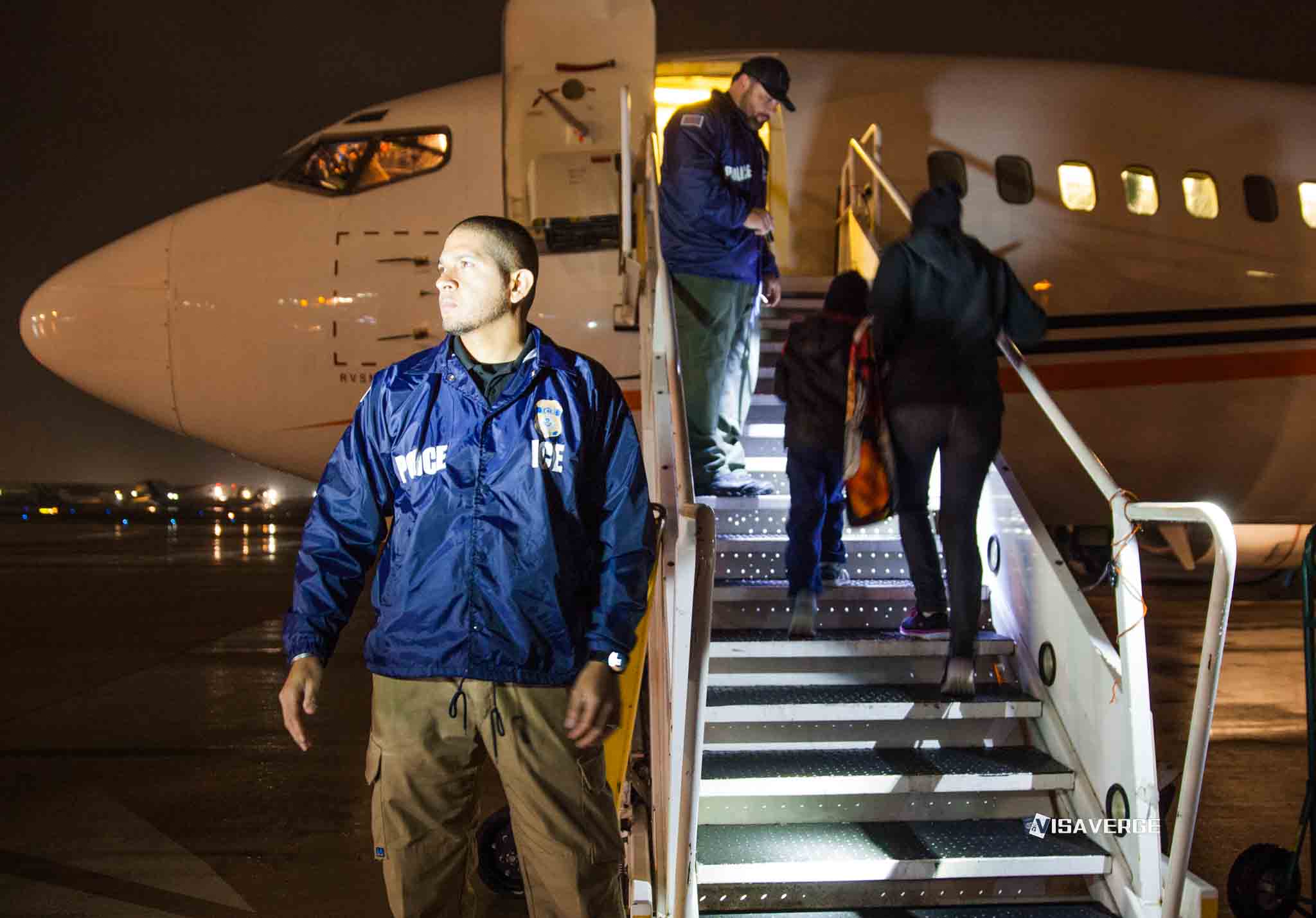
Those figures point to a broad change in detention practice, not isolated cases. In South Texas, the Dilley Immigration Processing Center, operated by CoreCivic, can hold up to 1,100 detainees, including 2-month-old infants.
Families and advocates say the rise in detention has brought physical illness, psychological harm, deportations and separations. Their accounts have widened a fight over immigration enforcement into a dispute over whether long-standing protections for children are being followed.
The Flores Settlement Agreement is a 1997 consent decree that limits how long children can be held and requires basic standards of care. The Trafficking Victims Protection Reauthorization Act, or TVPRA, enacted in 2008, provides protections against expedited removal without hearings and other procedural safeguards for certain children.
| India | China | ROW | |
|---|---|---|---|
| EB-1 | Apr 01, 2023 ▲31d | Apr 01, 2023 ▲31d | Current |
| EB-2 | Jul 15, 2014 ▲303d | Sep 01, 2021 | Current |
| EB-3 | Nov 15, 2013 | Jun 15, 2021 ▲45d | Jun 01, 2024 ▲244d |
| F-1 | May 01, 2017 ▲174d | May 01, 2017 ▲174d | May 01, 2017 ▲174d |
| F-2A | Feb 01, 2024 | Feb 01, 2024 | Feb 01, 2024 |
Advocates say current detention and deportation practices breach both. The policy fight has unfolded as Congress allocated $170 billion for enforcement, funding that critics say is driving a broader expansion of immigration operations affecting children and families.
Inside detention, families described exposure to infectious disease, dirty conditions and delayed treatment. They said infants suffered respiratory illness, food was moldy and contained bugs, water used for infant formula was putrid, and sanitation was poor.
One case cited by critics involved Juan Nicolás, whose health deteriorated on February 16, 2026. He was hospitalized, and his family was deported to Mexico the next day.
Families also described medical care that they said came too late or not at all. Among the cases raised by advocates was a child with a brain tumor who was deported while treatment was underway.
Nearly 4,000 healthcare professionals from 49 states, led by board-certified pediatricians, sent an open letter to Department of Homeland Security Secretary Kristi Noem demanding the release of all children from ICE centers because of what they called life-threatening conditions.
Public officials who visited or monitored conditions added to the criticism. U.S. Rep. Joaquin Castro, a Texas Democrat who toured Dilley, called the facility a “monstrous machine” treating children as prisoners.
The concerns have extended beyond illness and sanitation to the effect of confinement itself. Immigration attorney Eric Lee said he saw children and women chanting “Let us out” after protests over 5-year-old Liam Conejo Ramos‘s detention in Minnesota.
That account has reinforced a broader complaint from lawyers and advocates that very young children have become a routine presence in family detention. Javier Hidalgo, legal director at RAICES, said children like Liam were the “norm” at Dilley.
The fallout has also spread far beyond detention centers. Hundreds of U.S. citizen children lost parents to ICE enforcement actions, including after raids in Minneapolis that families and advocates said swept up parents, children and teenagers.
Wendy Cervantes, director of Immigration and Immigrant Families at the Center for Law and Social Policy, said ICE’s “violence and abductions” were leaving children without parents. She pointed to cases such as the children of Renee Good as an example of how enforcement actions can fracture families with U.S. citizen children.
Maribel Ramos, director of Government Relations at the National Women’s Law Center, said raids at childcare centers had intensified trauma and instability for families. Her account added to concerns that children were being affected not only through detention, but through sudden enforcement actions in their daily lives.
At the same time, UN experts reported thousands of unaccompanied children in custody without counsel after federal funding ended on February 18, 2025, under a Department of the Interior order. Their concerns linked detention conditions with a second pressure point: legal representation.
Without counsel, children faced immigration proceedings and custody decisions with fewer protections in practice, advocates said. UN experts also reported that many families faced pressure to choose between accepting $2,500 to self-deport or remaining in prolonged detention.
By August 2025, average custody had risen to six months. Over that same period, releases to caregivers fell from 95% to 45%, another marker of how sharply practice had shifted.
For families, those numbers translated into long stretches in custody and harder choices about whether to fight their cases. Critics said that pressure pushed some parents toward departure even when they wanted to remain together and seek relief through legal channels.
The Dilley Immigration Processing Center became a focal point because it concentrated many of those complaints in one place. Families, lawyers and visiting officials described a facility where infants and young children were being held for extended periods while illnesses spread and protests broke out.
The detention totals cited here cover ICE facilities and exclude Border Patrol or Office of Refugee Resettlement custody. Even within that narrower count, the rise from 25 to 170 children a day marked more than a sixfold increase from the prior administration.
Advocates argue that the length of detention matters as much as the number of children held. They say keeping at least 1,000 children longer than 20 days conflicts with standards tied to Flores, which was designed to limit prolonged detention of minors and require safe, sanitary conditions.
That legal standard has shaped immigration custody for decades. Under Flores, the government must meet minimum conditions for children and limit the time they remain in restrictive settings, principles that lawyers say are directly implicated by reports from Dilley and other ICE sites.
The TVPRA adds another layer of protection. Passed in 2008, it was meant to guard against rapid removal of certain children without hearings and to provide procedural protections for children who are especially vulnerable in immigration proceedings.
Advocates say recent deportations and detention practices have cut against those safeguards, especially for unaccompanied children and for families confronting quick decisions while in custody. They argue that pressure to accept self-deportation, combined with the loss of counsel for thousands of children, raises legal as well as humanitarian questions.
Those claims come as immigration enforcement has expanded under Trump’s second term. The broader campaign has reached homes, childcare settings and detention centers, producing a pattern that critics say links raids, separations, confinement and deportation rather than treating them as separate issues.
The National Association of Social Workers opposed what it called “unrestrained” raids affecting hundreds of thousands. That criticism fit with the accounts from families who said the impact on children did not begin or end at the detention center gate.
For some children, the harm described by families was immediate and visible: bronchitis among infants, hospitalization, missed care and fear inside detention. For others, advocates said, the trauma came when parents were taken away in raids or when children faced custody and immigration proceedings without a lawyer.
Lawmakers, healthcare workers and protesters have publicly condemned those conditions and outcomes. Their accounts have given the dispute a two-track shape, one centered on day-to-day conditions in detention and the other on whether the government is complying with legal protections built over years of court rulings and federal law.
In Dilley, those tracks meet. The facility has become a symbol of the current family detention system because it combines rising numbers, extended custody, very young children and allegations of unsafe care in one place.
Castro’s description of Dilley as a “monstrous machine” and the chant Lee said he heard — “Let us out” — have come to capture the terms of that fight. One is a lawmaker’s condemnation of the system. The other is a plea from inside it.