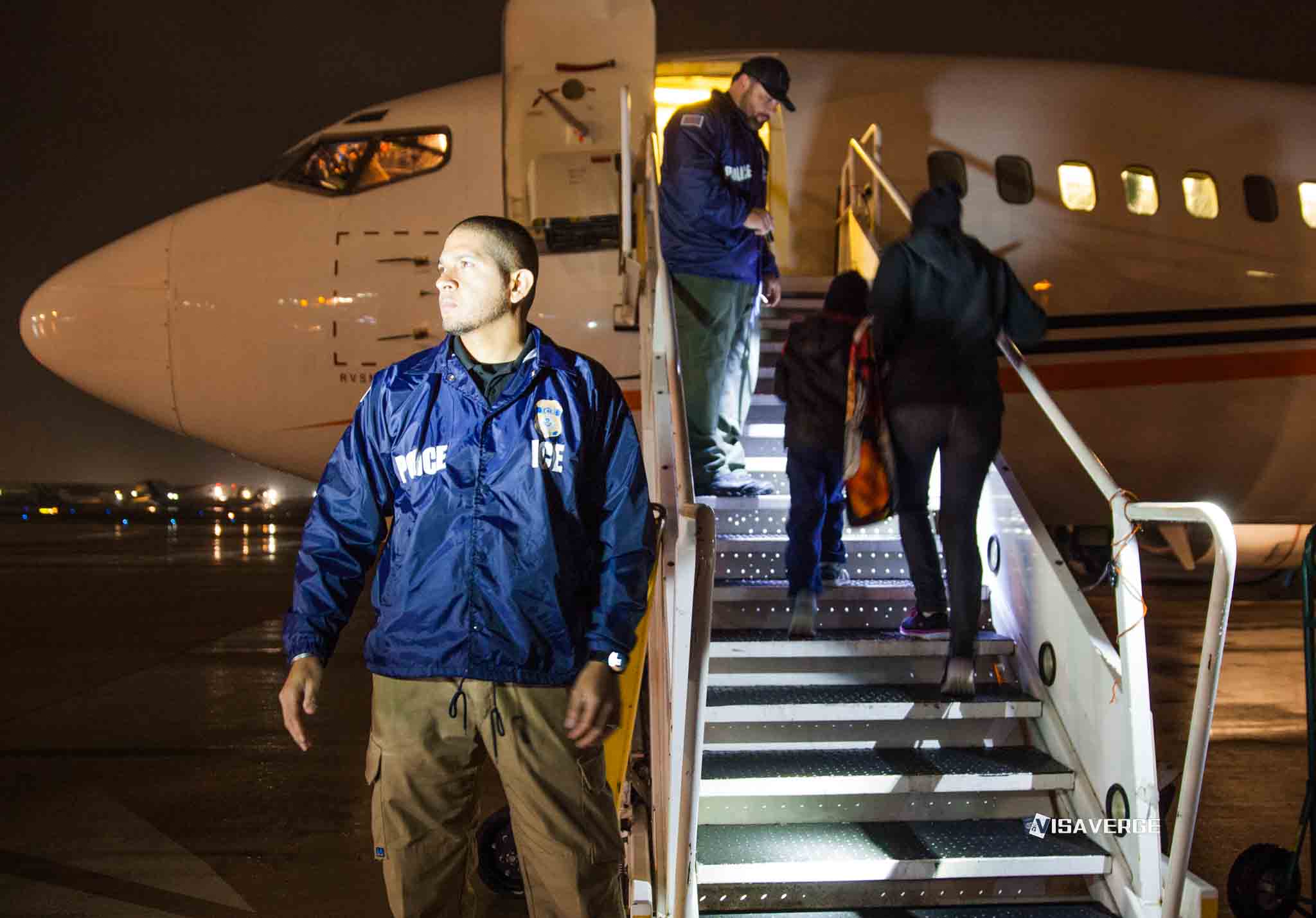
(MINNEAPOLIS–SAINT PAUL, MINNESOTA) A surge of Immigration and Customs Enforcement activity across the Twin Cities has set off days of anxiety, protests, and on-the-spot legal questions for immigrants and U.S. citizens alike, after what a December 13, 2025 investigation by the Minnesota Daily described as a concentrated period of arrests and enforcement actions that reached into workplaces and neighborhoods.
The reporting portrayed the moment as more than a few isolated arrests: it described a wave that included workplace raids, attempts to detain people at homes and job sites, and confrontations where crowds formed to slow or block agents. Community organizers and service providers told the Minnesota Daily that the increased presence of ICE has disrupted daily life in ways that spill far beyond the people being targeted.
Community response and disruption
Residents described streets filling with onlookers and advocates, workplaces going quiet as workers tried to avoid contact, and families making quick decisions about whether to leave home, go to work, or keep routine appointments. Elected officials and municipal actors, also cited in the story, criticized what they said were aggressive tactics and warned that the ripple effects could reach public safety and civil liberties.
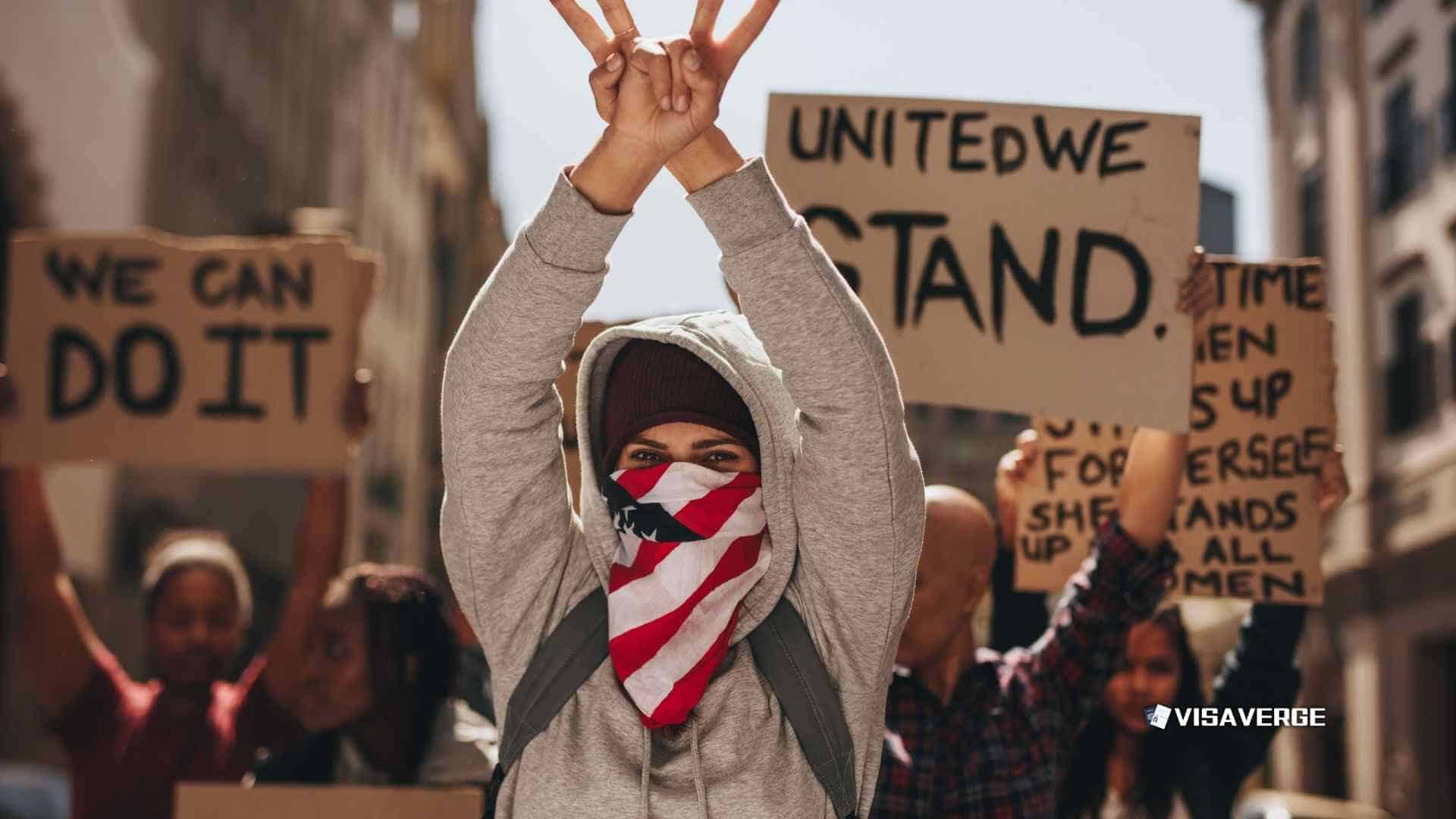
The Minnesota Daily said activist groups and neighbors responded to several enforcement actions by staging protests and creating physical barriers, including human shields, to try to prevent detentions. Those actions, the paper reported, led to prolonged standoffs in some neighborhoods that lasted hours and drew more community members to the scene as word spread.
Organizers described coordinated efforts to help workers avoid detention, with people moving quickly when ICE was spotted near job sites or residential buildings. The Minnesota Daily’s account showed how quickly a routine day can turn into a scramble for answers.
| India | China | ROW | |
|---|---|---|---|
| EB-1 | Apr 01, 2023 ▲31d | Apr 01, 2023 ▲31d | Current |
| EB-2 | Jul 15, 2014 ▲303d | Sep 01, 2021 | Current |
| EB-3 | Nov 15, 2013 | Jun 15, 2021 ▲45d | Jun 01, 2024 ▲244d |
| F-1 | May 01, 2017 ▲174d | May 01, 2017 ▲174d | May 01, 2017 ▲174d |
| F-2A | Feb 01, 2024 | Feb 01, 2024 | Feb 01, 2024 |
Effects beyond those detained
The investigation emphasized that the result is a community where fear does not stop at immigration status. The paper reported that U.S. citizens were also “caught in the crossfire,” as crowds, traffic disruptions, and the presence of federal agents affected entire blocks and workplaces.
Local officials voiced concerns about how these confrontations play out in public spaces, and what it means when immigration enforcement becomes highly visible and unpredictable. Service providers and community leaders warned of broader consequences:
- People avoiding medical care and public services
- Victims and witnesses deciding not to report crimes
- Employers and service providers grappling with sudden workforce shortages and unclear information
- Neighborhoods experiencing economic and emotional strain as routines are disrupted
“When communities withdraw, it can make entire neighborhoods less safe,” the reporting summarized, noting that crimes go unreported and witnesses remain silent.
Public-health, public-safety, and second-order effects
The Minnesota Daily pointed to a quieter consequence: people deciding not to seek help. Sources interviewed linked heightened ICE enforcement in the Twin Cities to immigrants becoming less willing to access medical care, report crimes, or seek public services.
That pattern creates a second-order effect in which serious problems go unreported or untreated—not because services do not exist, but because people fear that any contact with institutions could expose them.
On-the-ground dynamics: choices families face
The paper did not frame the events as an abstract policy debate. It described families and workers forced to make minute-by-minute choices, such as:
- Decide whether to show up for a shift when rumors of workplace raids circulate.
- Choose whether to answer the door during a residential standoff when ICE agents are nearby.
- Mobilize or seek help from organizers and attorneys if an arrest occurs.
Organizers quoted or referenced by the paper described community defense efforts that were planned in advance and activated quickly. People arrived to observe, film, protest, and try to slow enforcement actions long enough for targeted individuals to seek help.
Information gaps and official sources
The investigation underscored how hard it can be for the public to get quick, verified information during fast-moving enforcement activity. For official federal perspectives—such as ICE or Department of Homeland Security statements, arrest numbers, and legal justifications—the Minnesota Daily noted readers may need to check federal press releases or request records.
In the immediate aftermath of a confrontation, families often focus on one urgent question: where has the detained person been taken, and how to confirm they are in custody?
- ICE provides an official tool for that purpose: the ICE Online Detainee Locator System: ICE Online Detainee Locator System
- Advocates in the Twin Cities have long urged families to keep key identity details and emergency contacts ready. Confusion in the hours after an arrest can make it harder to locate someone, arrange legal help, or get information about health needs.
Broader patterns and analysis
According to analysis by VisaVerge.com, spikes in visible ICE activity often produce two simultaneous tracks of fallout:
- The direct impact on the people detained.
- The chilling effect on schools, clinics, and worksites as others try to avoid attention.
The Minnesota Daily’s reporting fits that pattern, describing how concentrated enforcement can change behavior across an entire community, even among people who are not targets. When workers skip shifts and parents pull children from normal routines, the economic and emotional damage can spread.
Sustained presence and local pressure
The investigation emphasized that the Twin Cities surge was marked by repeated sightings and encounters, which made it feel like a sustained operation for many residents. In some incidents, community intervention turned enforcement actions into lengthy public scenes.
For organizers, those scenes serve as both:
- A warning, showing how quickly ICE can appear at a job site or apartment building.
- A rallying point, bringing people together to protest tactics they view as harmful or unlawful.
For local government leaders, the same scenes create pressure to speak out, even though immigration enforcement is carried out by federal agencies.
Core tension: reliance on local systems vs. fear of visibility
A recurring theme in the reporting is the core tension immigrant families face: reliance on local systems—schools, health care providers, city services—while fearing that any visibility could bring ICE closer.
The paper described public-health and public-safety concerns that flow from that fear, including decisions not to report crimes. Service providers told the Minnesota Daily that when communities withdraw, it can make entire neighborhoods less safe because crimes go unreported and witnesses stay silent.
Limitations of this summary
The Minnesota Daily article, as summarized here, referenced local organizers, immigrant-rights groups, and municipal actors, and it said names and direct quotes appear in the full story. Those specific names and quotations are not included in the source excerpt provided for this assignment, so they cannot be repeated here with precision.
The paper also reported incident-level details—locations, sequence of events, and the length of particular standoffs—that are part of the original reporting but are not reproduced in this summary.
Concluding observations
Even without incident-level specifics, the picture that emerges is of a Twin Cities region grappling in real time with a surge in ICE enforcement that touches workplaces, homes, and public streets. Residents—both immigrants and citizens—are trying to decide how to respond when workplace raids and neighborhood standoffs become part of the local landscape.
For now, the Minnesota Daily’s reporting suggests the immediate story is less about one single raid than about a new normal many feel settling in:
- Heightened vigilance
- Mutual-aid organizing
- A constant scan for federal agents
In many households, the question is not only what the law says on paper, but what happens on a given morning when a job site is approached, a home becomes the focus of a standoff, and a crowd gathers to insist that the person inside should not be taken without a fight.
A concentrated wave of ICE enforcement in the Twin Cities included workplace raids, home detainment attempts, and prolonged standoffs. Community organizers and neighbors formed human shields, staged protests, and coordinated rapid responses, while residents—both undocumented and U.S. citizens—avoided work, medical care, and public services. Service providers warned of second-order public-health and safety effects as crimes go unreported and communities withdraw. Advocates recommend preparedness steps, use of the ICE detainee locator, and clearer official communication to reduce confusion after arrests.