- U.S. Homeland Security deployed 45 ICE agents to Italy for 2026 Winter Olympics security.
- The mission focuses on screening and intelligence-sharing without direct arrest or deportation powers.
- Italian protesters and rights groups oppose the deployment, citing concerns over sovereignty and profiling.
MILAN, ITALY — The U.S. Department of Homeland Security announced an ICE deployment to Italy to support security operations for the 2026 Winter Olympics in Milan and Cortina d’Ampezzo, a move that quickly drew protests and political pushback.
DHS Secretary Kristi Noem signed the deployment memorandum, DHS Memo #DHS-ICE-OLY-2026-01, authorizing 45 ICE agents to assist Italian Carabinieri and Polizia di Stato during the Games.
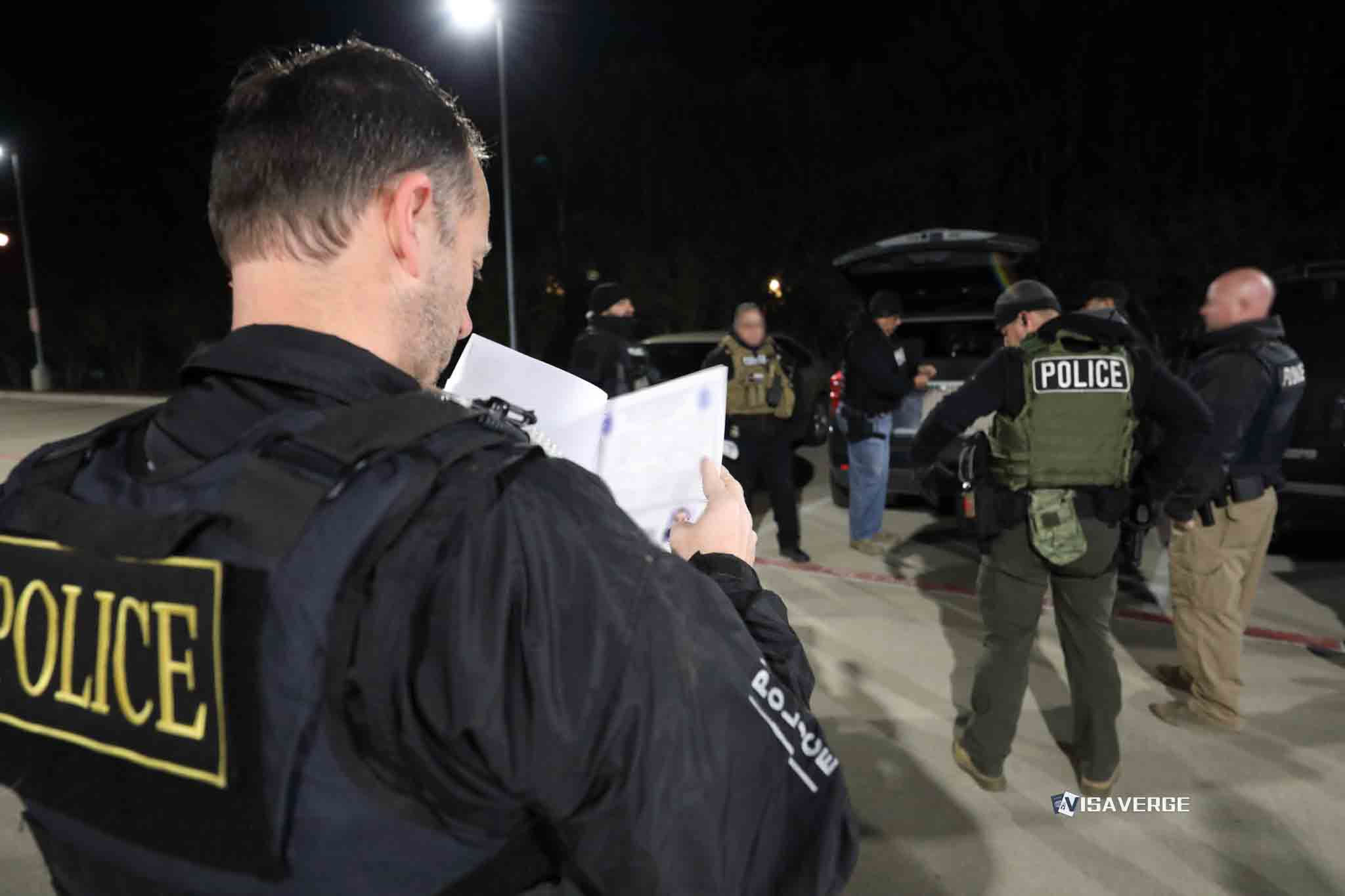
“These elite ICE officers bring unmatched expertise in disrupting transnational threats. Italy requested our support, and we’re delivering it to keep Americans and allies safe.”
The memorandum bears a January 14, 2026 signing date, DHS announced the initiative on January 15, 2026, and agents arrived in Milan on January 22, 2026. The operation runs through February 28, 2026.
DHS said the 45 agents include 28 from Homeland Security Investigations and 17 from Enforcement and Removal Operations, a staffing mix officials framed as focused on screening and coordination rather than enforcement on Italian soil.
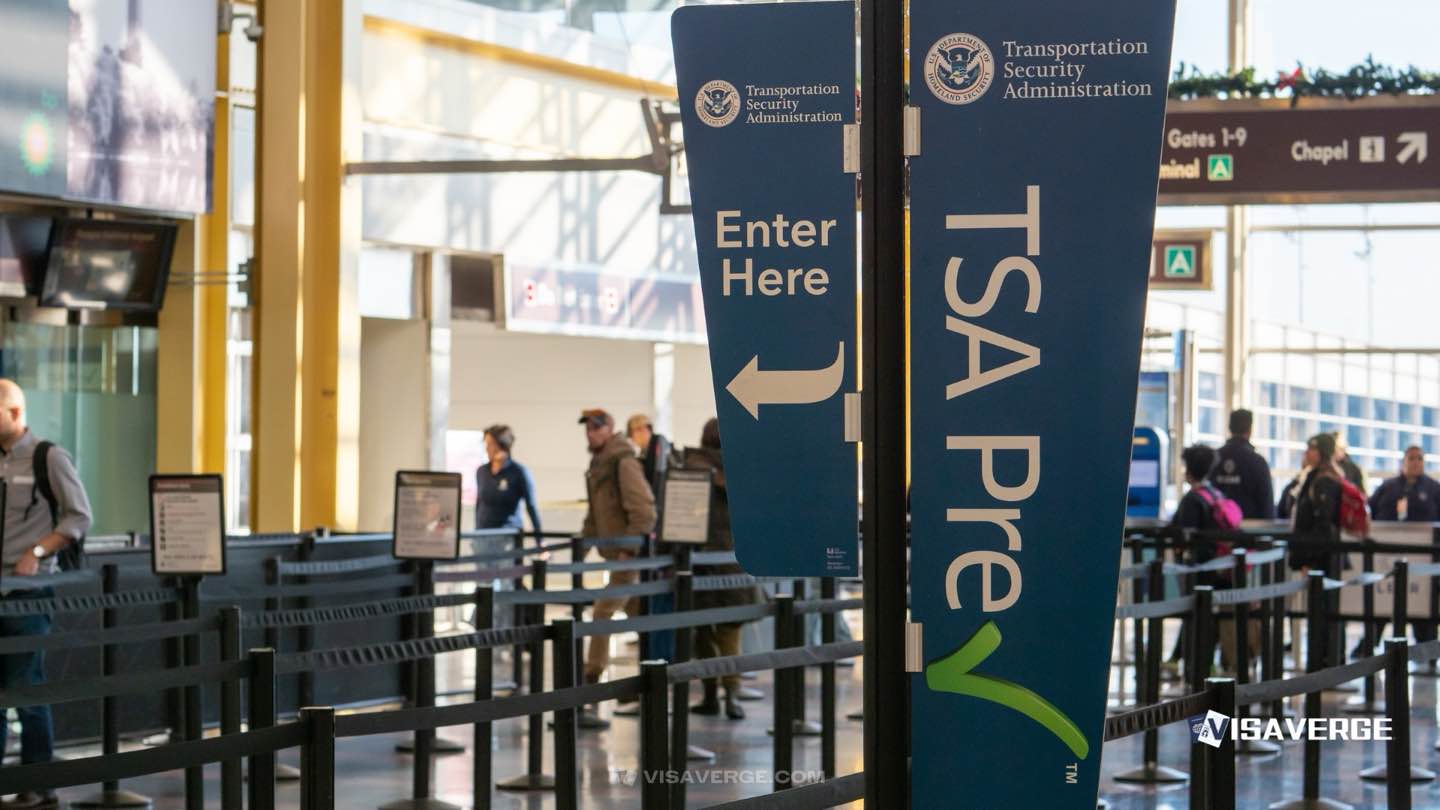
Agents are stationed at Malpensa Airport, Milano Centrale train station, and Olympic venues in Cortina d’Ampezzo, placing teams at the main international air gateway, a major rail hub, and event sites expected to draw dense visitor flows.
The 2026 Winter Olympics are scheduled for February 6-22, 2026, with Milan and the mountain resort of Cortina d’Ampezzo sharing venues and travel corridors that Italian authorities expect to see heavy international arrivals.
DHS tasked ICE personnel with screening international travelers for terrorism watchlist matches, human trafficking indicators, and visa overstays, describing the deployment as an added layer of support during peak movement.
The operational limits sit at the center of the Italian debate. DHS set out constraints that bar ICE agents from carrying out arrests or deportations on Italian soil, while describing their role as advisory and focused on intelligence-sharing.
Information exchange flows through Interpol and Europol channels, DHS said, aligning the effort with cross-border coordination methods commonly used during major events that compress security checks into a short, high-volume travel window.
The February 28, 2026 end point extends beyond the Olympics dates and covers the late-February period that authorities expect will include arrivals, departures, and residual travel around the Games footprint.
Protesters took to the streets in Milan days after agents arrived. On January 24, 2026, approximately 2,300 demonstrators gathered outside the U.S. Consulate in Milan, organized by Coalizione Italiana per i Diritti Umani.
Chants included “No ICE in Italia!” Police reported 12 arrests for disorderly conduct.
Laura Boldrini, former Italian Parliament president and migrant rights advocate, cast the deployment as a sovereignty issue and warned about treatment of migrants and visitors.
“Sending American deportation squads to our Olympics is an insult to Italian sovereignty and a green light for profiling immigrants at our borders.”
Amnesty International Italy Director Mariano De Dominicis argued the agency’s record made it an unsuitable presence at a global event.
“ICE’s track record of family separations and abuses makes them unfit for any international event. This risks turning the Olympics into a surveillance nightmare.”
HIAS Europe Director Yael Schacher pointed to removal statistics in criticizing the optics of the deployment.
“Deploying enforcers known for 400,000 deportations last year to a global celebration is tone-deaf and escalates tensions unnecessarily.”
The clash has centered on the difference between presence and authority. Critics describe the agents as a deportation force whose appearance at ports of entry could trigger profiling, while DHS framed the mission as screening support without the power to detain or remove people in Italy.
Italian politics split quickly along familiar lines. Matteo Salvini, leader of Lega party, praised the move on January 16, 2026, via X (formerly Twitter): “Finally, real security! Grazie ICE for helping protect Italians from illegal migrants and terrorists.”
Prime Minister Giorgia Meloni‘s office confirmed the agreement on January 17, 2026, calling it “a pragmatic partnership.”
The diplomatic framing has emphasized cooperation and shared security objectives while acknowledging jurisdictional boundaries, with Italy maintaining formal law enforcement authority as ICE agents work alongside Italian counterparts.
The first reported encounters at a key travel choke point sharpened public attention. On January 25, 2026, at Milano Malpensa Airport, ICE agents flagged three travelers, according to Italian police logs.
Ahmed Khalil, 29, an Egyptian national and student from Turin University, was detained for 4 hours over a visa discrepancy before release.
Maria Gonzalez, 34, a Mexican tourist from Rome, faced questioning for 90 minutes focused on travel history, the logs show.
Jamal Hassan, 41, a Somali-Italian chef from Milan, was held 2 hours amid “suspicious travel patterns,” per Italian police logs, and was later released after questioning.
The cases illustrate how flagging works in practice at a busy airport during a security surge. Encounters can begin with identity checks and document review and can expand after database hits or pattern concerns, with referrals to local authorities where applicable.
Khalil described being stopped by plainclothes agents while traveling in Italy for Olympics-related plans.
“Two ICE agents in plain clothes pulled me aside, asked about my family in Cairo, and scanned my phone. I felt like a criminal just arriving for Olympics tickets.”
Italian authorities approved the deployment under a 2024 EU-U.S. security pact, a legal basis officials cite as allowing structured cooperation while maintaining Italian control over enforcement actions.
The Italian Senate ratified the pact on December 12, 2025, setting the domestic foundation for the Interior Ministry to approve the Olympic security arrangement.
A legal challenge is pending. A petition by Associazione per i Diritti Digitali (ADD) with 15,000 signatures seeks an injunction and awaits review in Milan Tribunal.
No court challenges have succeeded as of January 27, 2026, leaving the deployment in place as the tribunal review remains pending.
U.S. officials pointed to precedents at other Olympics, citing ICE support at the 2024 Paris Olympics, which involved 28 agents and produced no incidents reported, and the 2022 Beijing Games.
Those references aim to frame the presence in Milan as a familiar form of event-based assistance, distinct from domestic ICE enforcement operations that have fueled criticism in Italy.
Supporters of the deployment argued that screening abroad helps prevent threats from reaching the United States and protects allies hosting global events. Federation for American Immigration Reform (FAIR) President Tom Fitton said:
“This prevents threats from reaching U.S. soil—pure national security.”
Critics focused on how the sight of ICE at airports and transit hubs could shape behavior by travelers and residents, especially people who fear immigration enforcement or worry about data-sharing across borders.
Olympics organizer data showed a market reaction after the January 15, 2026 announcement. U.S. ticket sales fell 7% since the announcement, figures cited by critics as early evidence that concerns about ICE could chill attendance.
With opening ceremonies nearing, attention now turns to how screening operations scale during peak arrivals and whether Italian and U.S. officials issue updated bilateral statements about the contours of cooperation.
The other near-term pressure point sits in the courts. The pending Milan Tribunal review of the ADD petition keeps the legal dispute active even as teams remain stationed at Malpensa, Milano Centrale and venues tied to the Winter Olympics in Milan and Cortina d’Ampezzo.