homeland security secretary kristi noem said hundreds more federal immigration officers were headed to Minneapolis as tensions flared after an ICE officer fatally shot a U.S. citizen during an operation that DHS has described as the “largest immigration operation ever.”
Noem, speaking on Fox News’ Sunday Morning Futures on January 11, said, “We’re sending more officers today and tomorrow. They’ll arrive—there’ll be hundreds more, in order to allow our ICE and our Border Patrol individuals that are working in Minneapolis to do so safely.”
Federal response
The surge followed the January 7 shooting death of 37-year-old Renee Nicole Good, a mother of three and a poet from Colorado, who was shot in the head by an ICE agent in a South Minneapolis residential neighborhood.
Noem framed the killing as the result of an “act of domestic terrorism” by the driver, saying on January 7: “The ICE officer fearing for his life and the other officers around him and the safety of the public fired defensive shots. He used his training to save his own life and that of his colleagues. This appears as an attempt to kill or to cause bodily harm to agents—an act of domestic terrorism.”
On January 8, Noem defended the officer’s actions at a news conference and predicted the investigation would clear him. “Our officer followed his training, did exactly what he’s been taught to do in that situation and took action to defend himself. The investigation will show the ICE officer did ‘everything right.’”
The shooting and investigation
The shooting occurred during what DHS called “Operation Metro Surge,” which it described as targeting alleged welfare fraud and criminal networks within the Somali community in Minnesota.
Reports and local leaders have identified the officer as Jonathan Ross, a 10-year veteran of ICE’s Special Response Team. dhs has not provided additional identifying details in the material cited, and the investigation is being handled outside city government.
Federal authorities said the FBI has taken sole control of the shooting investigation, pushing the Minnesota Bureau of Criminal Apprehension to withdraw. That shift deepened a jurisdictional conflict, with local officials pressing their own account of bystander video while federal officials emphasize officer safety and an enforcement posture framed in Title 8 terms.
Local reactions
Local leaders and community members have disputed dhs’s narrative of what happened. Mayor Jacob Frey called the DHS narrative “bullshit” and “garbage,” alleging that bystander video shows the victim’s vehicle was turning away from the officer when he fired.
The family of Renee Good and her partner, who witnessed the shooting, have publicly disputed the “terrorist” label and described her as a peaceful volunteer. They have rejected Noem’s characterization offered on January 7.
Scale of federal deployments
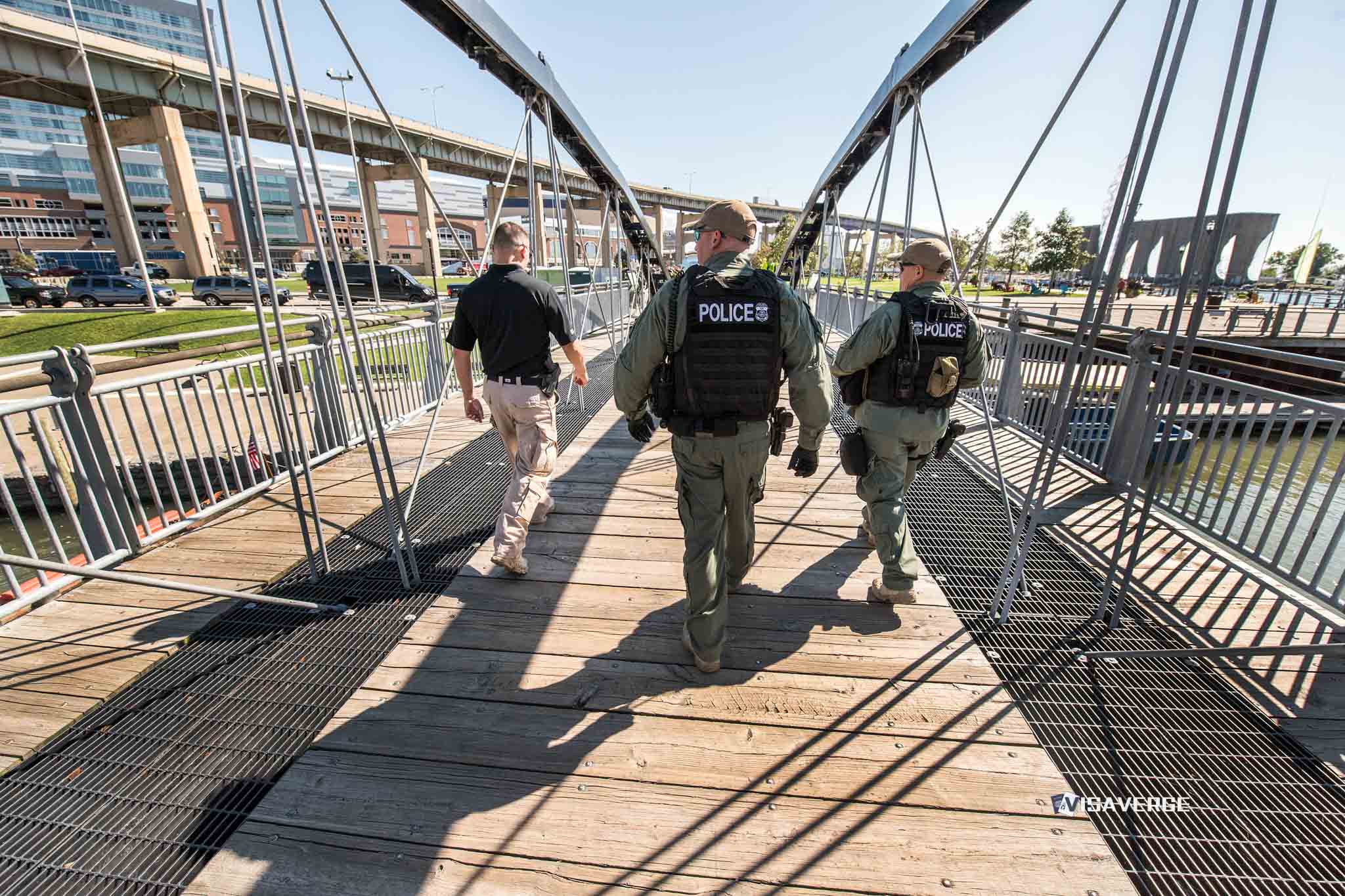
Officials said federal deployments expanded as protests spread and local-federal tensions intensified. Over 2,400 federal agents are currently in the Minneapolis–St. Paul area, DHS has said, describing that as more than double the size of the local police force.
U.S. Customs and Border Protection (CBP) Commander Gregory Bovino, speaking to CBS News on January 11, described the mission as a Title 8 enforcement push. “We’re gonna have another large footprint coming here to ensure that we get that Title 8 mission under control and that we conduct very effective, unabated Title 8 immigration enforcement.”
Impact on community
For immigrants and mixed-status families across Minneapolis and the Twin Cities, the visible federal footprint has had effects beyond those directly targeted by the operation. Community groups and local residents have reported a climate of fear.
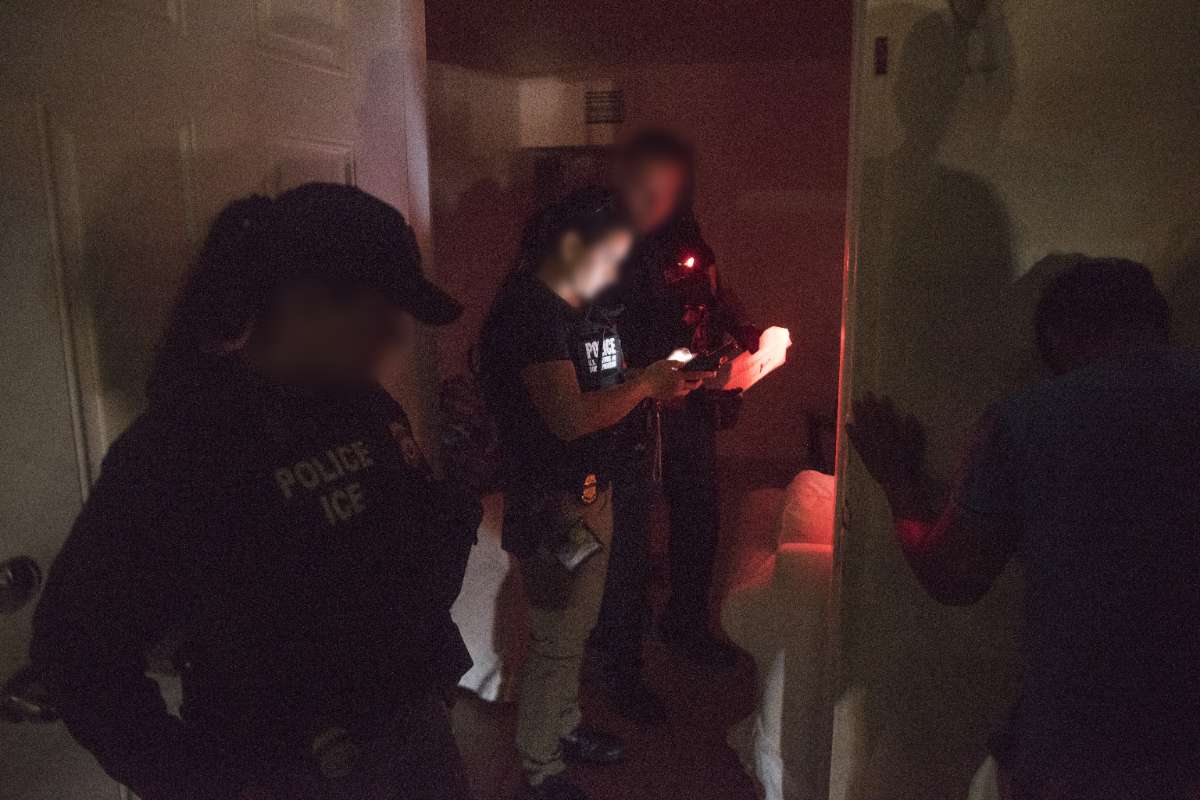
There have been reports of federal agents going door-to-door in residential neighborhoods, and community groups say families are concerned about routine contacts and the potential consequences of increased federal activity.
DHS claims and statistics
DHS released data claiming an “unprecedented” 1,300% increase in assaults against ICE officers and a 3,200% increase in vehicular attacks in recent weeks. The department presented those figures as justification for a heavy federal presence.
Officials have not provided additional context in the cited material about how the agency calculated the increases, the baseline period, or how the incidents were counted. Those details have not been included in the material cited by DHS.
Operational context
The practical meaning of a surge can vary depending on which agencies are on the ground and how they are tasked, even when officials describe the effort under Title 8 immigration enforcement. ICE typically carries out interior immigration enforcement and detention operations.
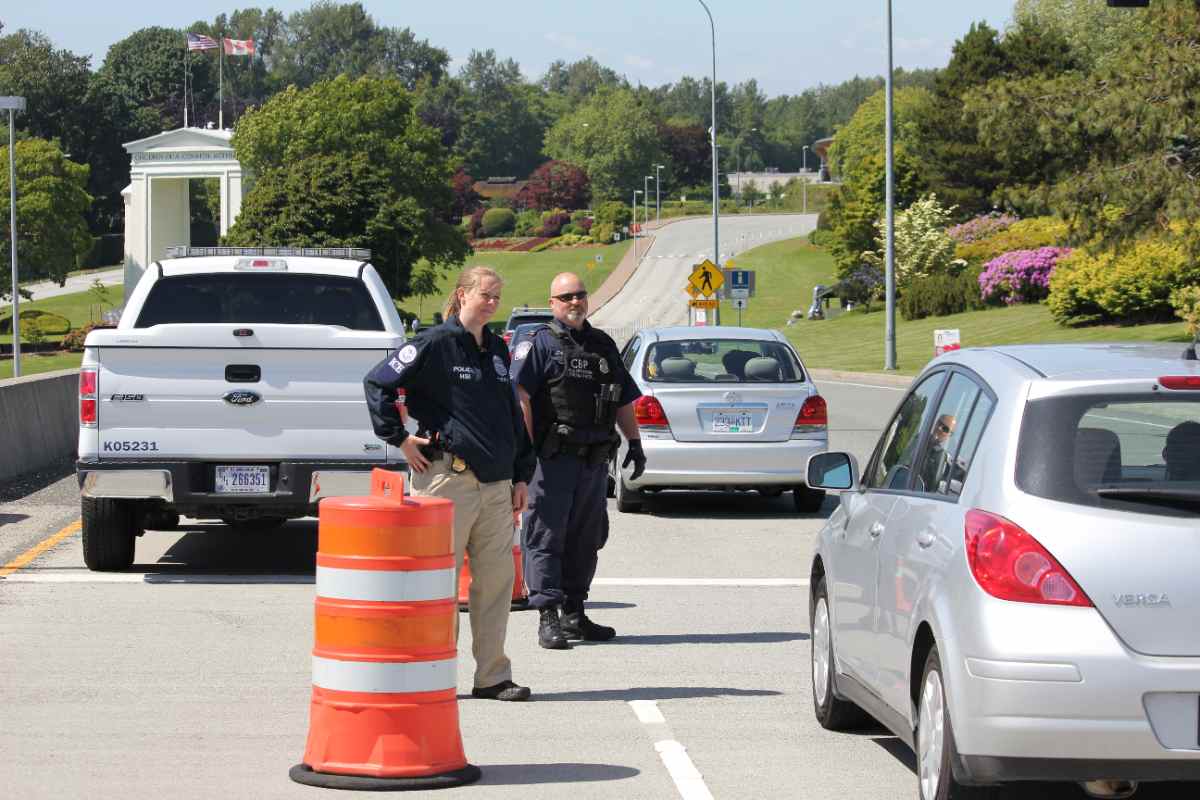
CBP is best known for border enforcement but can be deployed in support roles, DHS oversees both agencies, and the FBI leads criminal investigations and, in this case, controls the inquiry into the shooting. The mix of investigative work and enforcement can pull multiple agencies into overlapping roles.
Political framing and national protests
Noem’s use of the phrase “act of domestic terrorism” has been central to the administration’s explanation for the shooting and the surge. Local leaders and the victim’s family have challenged that label and the sequence described by DHS.
Protests under the banner “ICE Out For Good” have spread to other cities, including Portland, Oregon—where the material cited says another federal shooting occurred—as well as New York City and Philadelphia.
Where to find updates
Residents looking for verified updates have been directed to official agency channels and public records, including the Department of Homeland Security newsroom at dhs.gov/news, ICE press releases at ice.gov/newsroom, and congressional correspondence hosted through house.gov referencing letters from Rep. Ilhan Omar and others regarding the January 7 shooting.
Following the fatal shooting of U.S. citizen Renee Nicole Good by an ICE agent, the DHS has surged over 2,400 federal officers into Minneapolis. Secretary Kristi Noem justifies the force by citing record assaults on agents and labeling the shooting a defensive act against terrorism. Local officials and the victim’s family dispute these claims, pointing to video evidence that contradicts the federal narrative as investigations continue.