- Since May 2025, travelers need a REAL ID-compliant card or approved document for domestic security.
- A new ConfirmID fee of $45 adds cost and screening delays for those without standard identification.
- A valid foreign passport remains one of the safest identification options for undocumented travelers.
Undocumented immigrants can legally fly on domestic U.S. flights, but the trip now carries more risk than it did a year ago. Since May 7, 2025, TSA has required travelers age 18 and older to show a REAL ID-compliant card or another approved identity document at security checkpoints.

That rule matters because many state licenses issued to undocumented immigrants are not valid for federal screening. A new TSA ConfirmID fee of $45, which began on February 1, 2026, adds another layer of cost, delay, and exposure for people who arrive without acceptable identification. According to analysis by VisaVerge.com, the legal right to fly has stayed the same, but the practical risks have grown sharply.
The airport screening process now starts with ID, not status
TSA still says its mission is aviation security, not immigration enforcement. That distinction remains important. Officers at the checkpoint are not supposed to ask about immigration status as part of ordinary screening.
Still, the first hurdle is now much stricter. A traveler who presents a compliant REAL ID card can move through the checkpoint in the usual way. A traveler who does not have one must show another TSA-accepted ID, such as a valid foreign passport or an Employment Authorization Document, also known as Form I-766.
The TSA’s official identity screening page lists acceptable documents and explains what happens at the checkpoint. For travelers without an approved ID, TSA now offers ConfirmID as a backup identity check.
REAL ID rules now exclude many state licenses
The REAL ID Act, passed in 2005 after the September 11 attacks, set federal standards for state-issued IDs. Compliant cards usually carry a star in the top corner. Cards without that mark are not enough for domestic air travel unless TSA accepts another document.
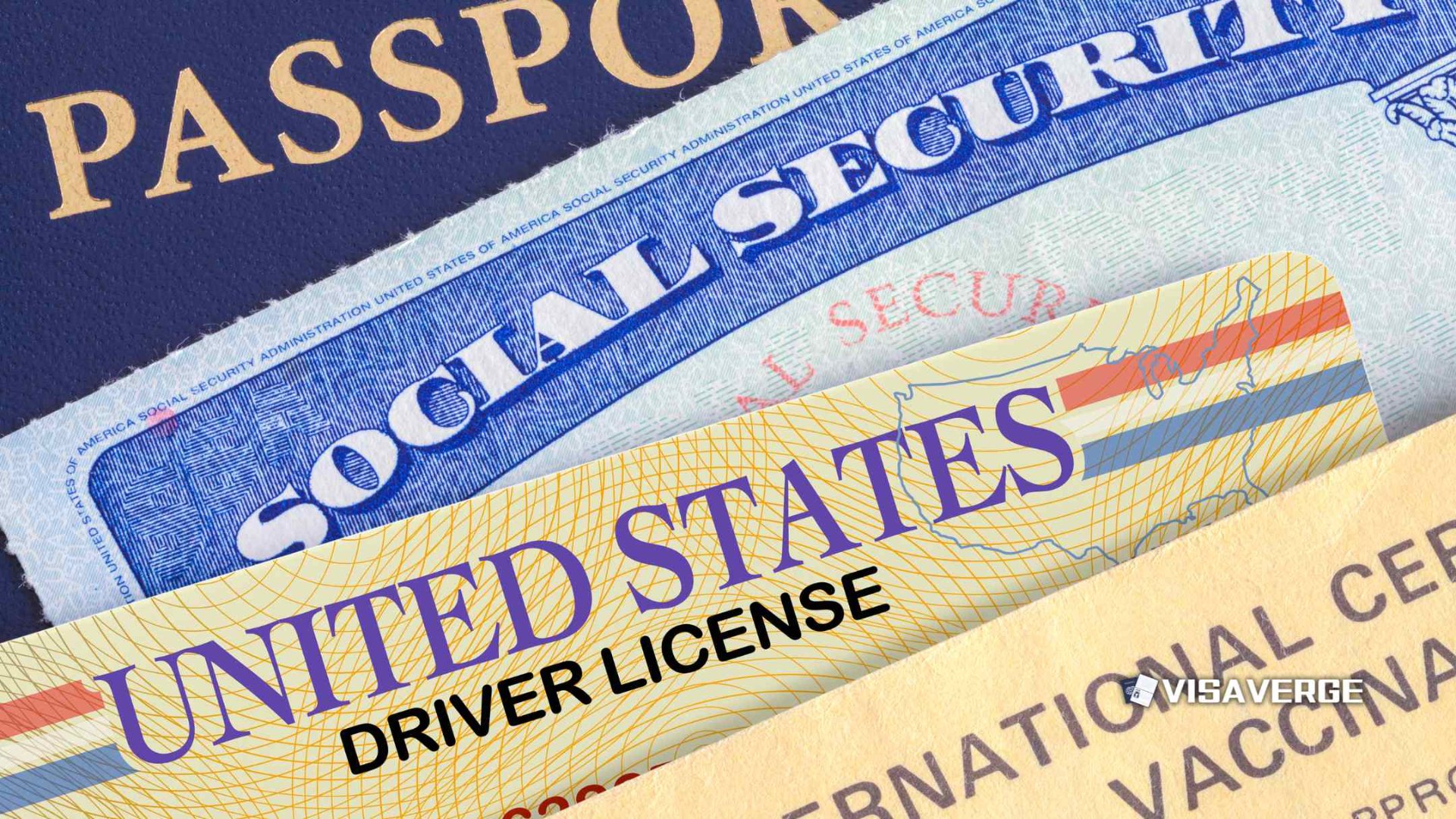
That has direct consequences for undocumented immigrants in states that issue licenses for driving only. Those cards often say they are “not for federal purposes.” TSA rejects them for airport screening.
Undocumented immigrants cannot obtain REAL ID because the process requires proof of lawful status, a Social Security number, and residency documents that they often do not have. The result is simple: a state license may let someone drive in certain places, but it will not get them through a domestic airport checkpoint.
TSA-accepted documents that still work
For many travelers without lawful status, the safest airport document is a valid, unexpired foreign passport. TSA accepts foreign passports for domestic flights, and the document does not itself prove immigration status.
An Employment Authorization Document can also work if it is still valid. That includes cards issued to people with DACA or Temporary Protected Status, and to others who are authorized to work. These cards often take months to renew, so expired documents create avoidable problems.
Other TSA-approved options include green cards, certain DHS trusted traveler cards, U.S. military IDs, and tribal IDs. But those documents do not help every undocumented traveler, because many people do not qualify for them.
The options that do not work are just as important:
- Non-REAL ID state licenses
- The CBP One app, which was barred for this purpose on February 24, 2025
- Expired documents
- Cards issued only for driving, not federal screening
ConfirmID is a last resort, not a clean solution
On paper, TSA ConfirmID gives people a way to verify identity without a standard ID. In practice, it is a poor fallback for many undocumented travelers.
The process costs $45 and covers 10 days of travel. Travelers upload documents through TSA’s online system, print a receipt, and then face extra screening that can last 10 to 30 minutes. The agency says verification is not guaranteed.
That matters because ConfirmID can trigger deeper database checks. For someone with an old removal order, a prior deportation, or another immigration flag, the process may expose information that leads to denial or an encounter with ICE. Pre-paying online can reduce waiting, but it does not remove the risk.
TSA reports that 94% of passengers already comply with ID rules. Even so, early 2026 lines can run longer because travelers who arrive unprepared need extra screening.
Airport enforcement has become the bigger threat
The greatest danger is no longer the flight itself. It is the encounter around it.
TSA says it is not checking immigration status, but passenger data-sharing with ICE has become more routine. That has led to arrests at airports, especially for people with prior immigration violations, prior deportation orders, or records already visible in federal databases.
The risk is not the same for everyone. A traveler with a valid foreign passport and no immigration history faces a lower risk than someone with a removal order or an expired case. Still, the atmosphere at airports has changed. Many immigrants now treat air travel as a calculated decision, not a routine errand.
Advocates say ground travel by bus or train avoids the checkpoint ID problem, though it takes longer and may still involve other risks. For some families, that tradeoff is easier than exposing themselves to a federal airport screening process.
Planning a trip now means planning for paperwork
For undocumented travelers who still need to fly, preparation matters more than ever.
- Get the strongest ID you can. A valid foreign passport is the clearest option. If you qualify for an EAD, renew it early.
- Do not rely on a non-REAL ID state license. TSA will reject it for federal screening.
- Avoid ConfirmID unless you have no other choice. It adds cost, time, and exposure.
- Carry the original document. Photocopies help as backups, but they do not replace the real item.
- Match your ticket to your ID. A name mismatch creates extra questions at the checkpoint.
These steps do not erase risk. They reduce the chance of being turned away at the airport.
Immigration groups keep warning about access gaps
Groups such as the Immigrant Legal Resource Center and the National Immigration Law Center continue to publish guides and legal aid resources for people trying to renew passports or work permits. They also press states to expand access to IDs, even though those cards still do not meet REAL ID rules.
The larger issue is structural. Millions of undocumented people need to travel for work, school, court, or family emergencies, yet the federal ID system keeps narrowing the path. That gap has turned a short domestic flight into a decision with legal, financial, and emotional consequences.
For people with DACA, TPS, or a pending asylum case, the first step is to check whether an EAD is still valid. For families, children under 18 do not need ID, but the adult traveling with them does.
The government’s current rules are clear, and the checkpoint is less forgiving than before. A valid foreign passport or other TSA-approved ID remains the safest route. REAL ID, TSA ConfirmID, and airport data sharing now shape the trip long before a plane takes off.