- Georgia House passed House Bill 947 requiring mandatory citizenship verification for all SNAP food aid applicants.
- The bill mandates using the federal SAVE database to verify status and reduce state payment error rates.
- New federal rules exclude many legal immigrants from SNAP benefits under the One Big Beautiful Bill Act.
(GEORGIA) — The Georgia House of Representatives passed House Bill 947 on March 7, 2026, requiring mandatory citizenship verification for all applicants seeking food aid through the Supplemental Nutrition Assistance Program.
The bill cleared the chamber on a 95–66 vote and now awaits action in the Georgia Senate, according to the Georgia General Assembly’s bill page for House Bill 947.
Georgia lawmakers advanced the measure as states adjust to the new federal policy environment created by the One Big Beautiful Bill Act, a sweeping 2025 law that reshaped SNAP eligibility rules for noncitizens and increased the compliance stakes for state agencies that run the program.
If enacted, HB 947 would expand citizenship verification across Georgia’s SNAP application process, a change that could affect immigrants and mixed-status families as well as U.S. citizen households that include noncitizen relatives and may worry about how information is used.
The federal law, formally known as the One Big Beautiful Bill Act and also referred to as H.R. 1, set in motion a tightening of noncitizen SNAP eligibility that entered its final phase in March 2026 after President Trump signed it into law on July 4, 2025.
As of March 1, 2026, many lawfully present immigrants, including refugees, asylees, and humanitarian parolees, no longer qualify for federal SNAP benefits under the new rules. States administer SNAP day to day, but the federal government sets baseline eligibility and pays for benefits under long-standing cost-sharing arrangements.
That federal shift has pushed states to focus more heavily on eligibility verification systems and administrative accuracy, as they confront both narrower noncitizen eligibility categories and heightened exposure to financial penalties tied to error rates.
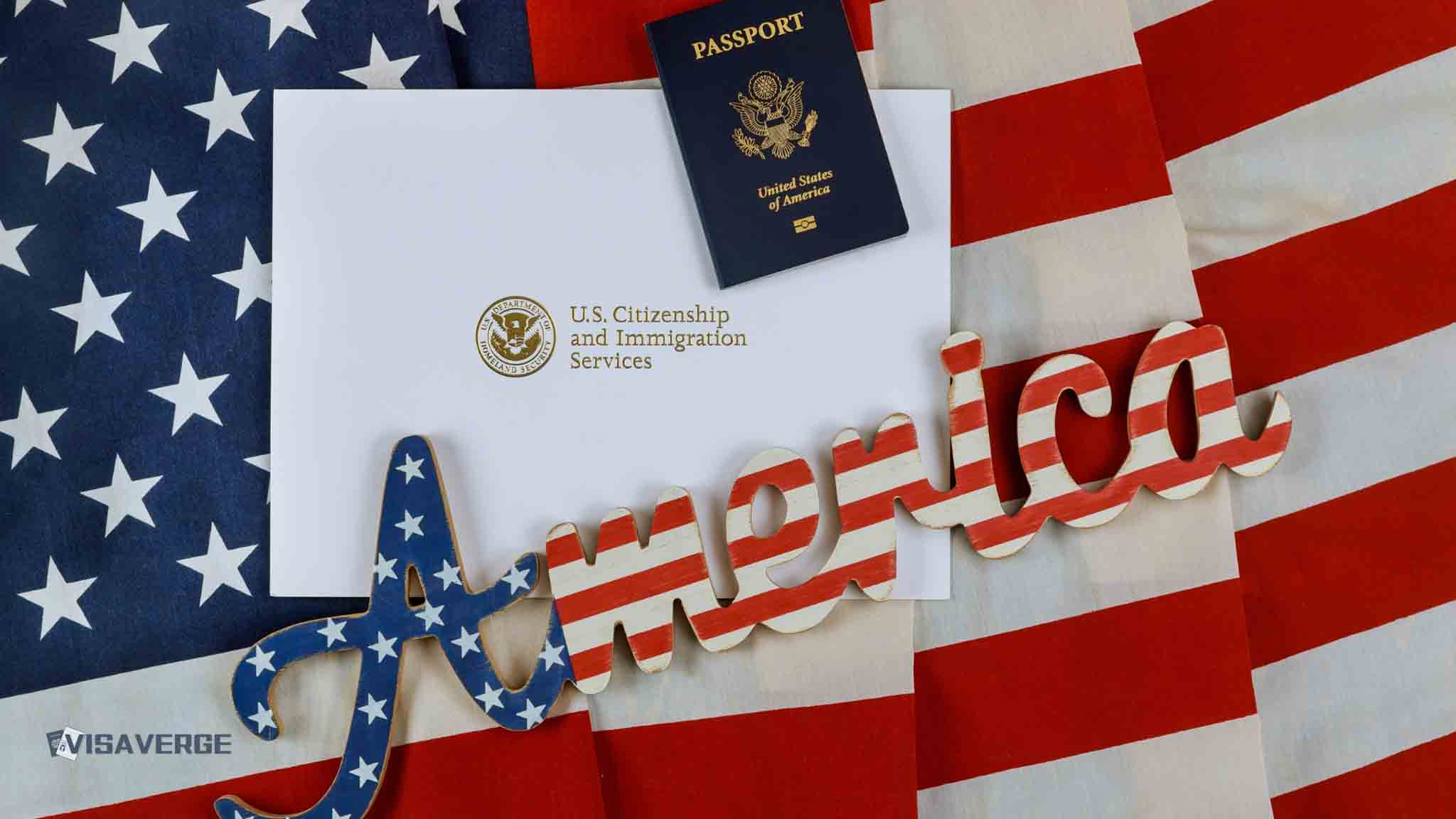
HB 947 centers on a federal database tool that states already use for certain checks. The bill requires the Georgia Department of Human Services to use USCIS’ Systemic Alien Verification for Entitlements, known as SAVE, to verify the citizenship of every SNAP applicant.
USCIS described SAVE as the core verification tool used by federal, state and local benefit-granting agencies, and it has recently highlighted updates intended to help agencies carry out new eligibility checks.
In a March 3, 2026, announcement, the agency said: “USCIS has published the SAVE ICA v38 Beta version, which includes enhancements to assist federal and state agencies in verifying U.S. citizenship and immigration status for benefit eligibility. in accordance with new federal requirements taking effect this month.”
USCIS posted the update on its SAVE program page, as states and legislatures examine whether to broaden or standardize how they screen SNAP applicants as eligibility categories narrow and compliance scrutiny rises.
Supporters of the Georgia proposal tied the bill directly to error-rate risk. Sponsors said the measure aims to reduce Georgia’s 15.56% payment error rate to avoid federal penalties imposed by H.R. 1.
Under the federal law’s penalty framework, states with error rates over 6% must pay 5%–15% of their own benefit costs, a change designed to increase financial consequences for states that miscalculate eligibility or benefit levels.
At the same time, the One Big Beautiful Bill Act alters how states pay for SNAP administration. The federal government’s share of SNAP administrative costs will drop from 50% to 25% starting October 1, 2026, shifting a larger share of staffing and systems expenses to states.
That cost shift can influence how aggressively states invest in eligibility systems, how they staff intake offices, and how they manage renewals and documentation requests. State officials often frame verification as a risk-control tool, while critics warn that additional checks can slow processing and increase the paperwork burden for eligible households.
Advocacy groups have also reported what they call a “chilling effect” as the enforcement climate hardens and eligibility categories change. They say even eligible U.S. citizens and Lawful Permanent Residents are withdrawing applications because of fear of data sharing with ICE.
The concern extends beyond those who lose eligibility under the federal law. Mixed-status households can include U.S. citizens who qualify for benefits and noncitizens who do not, and intake interactions can shape whether people apply at all, advocates say.
Some states have begun building workarounds for groups that lost federal eligibility, using state money to replace federal benefits in limited circumstances. Washington and Minnesota have announced they will shift affected refugees and asylees to state-funded food assistance programs in May 2026 to mitigate the loss of federal SNAP.
Other states have moved quickly to apply the new federal rules at intake. Illinois and Minnesota began applying these new eligibility rules to all new applications on March 1, 2026.
Maryland has projected substantial effects from the combined changes. The state estimates up to 80,000 residents could lose benefits due to the new work and citizenship requirements.
Federal officials have portrayed the expanded reliance on verification systems as an enforcement of eligibility rules, and they have pointed states toward SAVE as a central mechanism for status checks.
Before her removal from office on March 5, 2026, then-Secretary Kristi Noem wrote Senate Democrats on January 27, 2026, “The Department remains committed to ensuring that federal benefits are reserved strictly for those who meet the updated eligibility criteria under the One Big Beautiful Bill Act. We are providing states with the full resources of the SAVE system to ensure no federal funds are misallocated to those without verified legal status.”
USDA’s Food and Nutrition Service, which oversees SNAP at the federal level, also plays a guidance role as states implement the One Big Beautiful Bill Act’s changes. The agency has published information on its OBBBA guidance page, while states remain responsible for administering SNAP and making eligibility determinations in individual cases.
Even with federal tools and guidance, states still set many operational details, including what documentation they ask for at intake, how they resolve mismatches, and how they handle renewals for households already enrolled.
National politics and agency continuity have also shaped the atmosphere around the benefits debate. The push for citizenship verification has been described as part of a broader “Making America Safe Again” agenda, as Washington pressures states to reduce payment errors and tighten eligibility.
The policy push has unfolded alongside a DHS funding shutdown that began on February 14, 2026, after a budget impasse. USCIS, which is fee-funded, has remained operational during that period, including for SAVE-related work.
President Trump removed Noem on March 5, 2026, and nominated Senator Markwayne Mullin as her replacement, citing a need for more aggressive enforcement of the OBBBA provisions.
For Georgia, the next step for HB 947 is Senate action, with implementation planning to follow if the bill becomes law. If the measure advances, Georgia would join states leaning more heavily on citizenship verification as the One Big Beautiful Bill Act tightens eligibility and raises the financial cost of mistakes in a program that millions of Americans rely on for food assistance.