- Haitian asylum seeker Emmanuel Damas died following an untreated tooth infection while in ICE custody.
- Massachusetts lawmakers are demanding a full investigation into the medical care provided by CoreCivic.
- Damas is the tenth reported death in ICE custody during the first months of 2026.
(SCOTTSDALE, ARIZONA) — Emmanuel Damas, a Haitian asylum seeker, died on March 2, 2026, at a Scottsdale, Arizona hospital after complications from an untreated tooth infection while held in ICE custody at the Florence Correctional Center, the detention facility operated by private prison contractor CoreCivic.
Damas, who lived in Dorchester, Massachusetts, fell ill after reporting tooth pain in detention and later cycled between hospitalization and a return to the Arizona facility before his death.
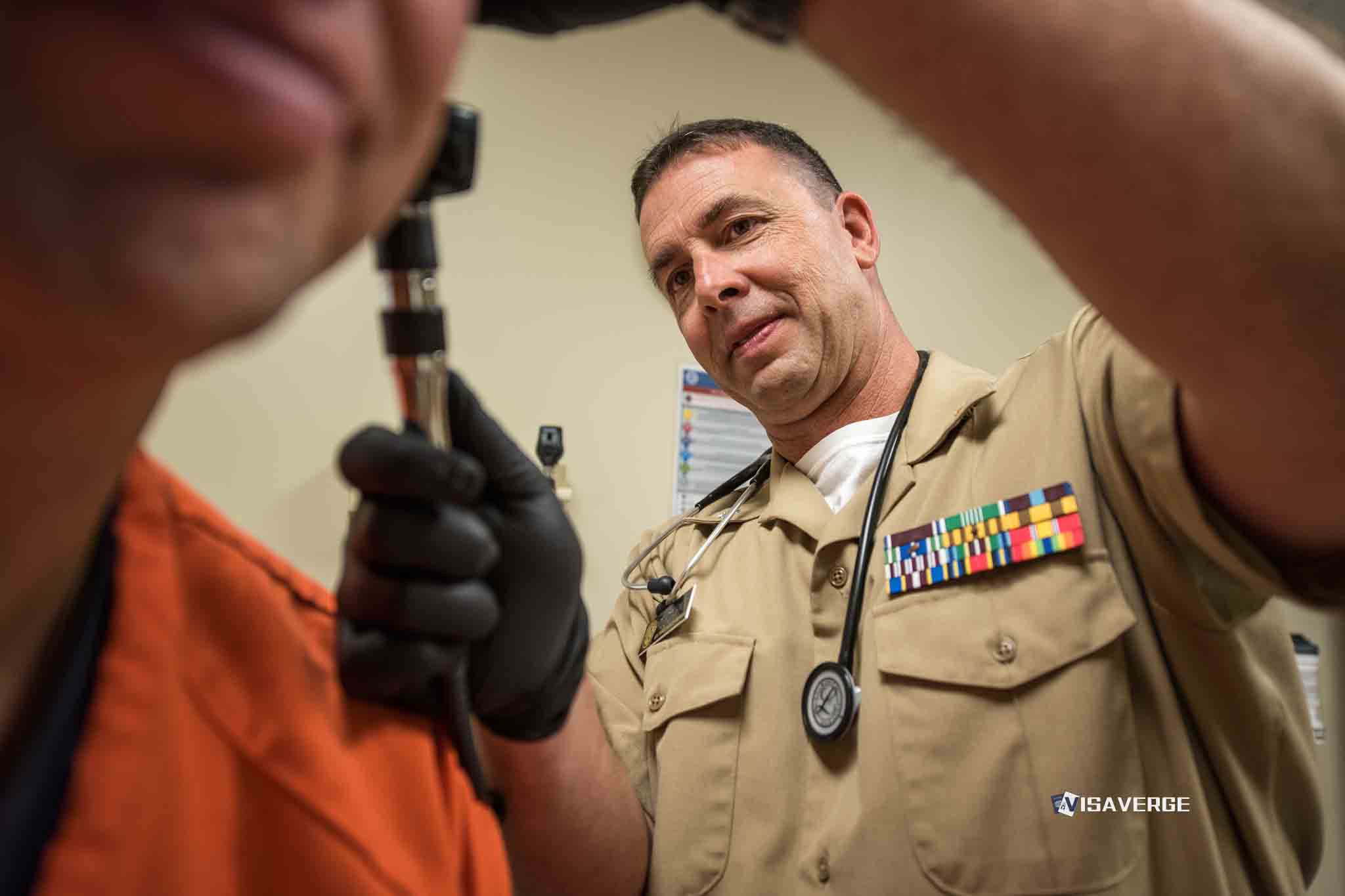
A sequence of hospital admissions began after Damas was taken from the detention center to a hospital on February 19, 2026, following a medical emergency described differently by his family and by ICE.
Damas entered ICE custody in September 2025 after Boston Police arrested him for assault and battery in Boston, then ICE transferred him to the Florence Correctional Center, a medium-security facility in Arizona operated by CoreCivic.
By mid-February 2026, Damas reported a toothache to medical staff at Florence but was not sent to a dentist, according to the family and advocates.
Accounts diverge on what drove the emergency that sent him to the hospital on February 19. ICE said he was hospitalized for shortness of breath, while the family described a worsening toothache that led to pneumonia.
Doctors placed Damas on life support on February 20, according to the timeline provided in the case.
The hospital discharged him back to the Florence detention center on February 23, 2026, after several days of acute care, the timeline shows. The return to detention came before his condition deteriorated again.
On February 26, 2026, Damas was readmitted to the hospital and scheduled for surgery, according to the same account of events. He died in the hospital on March 2.
Presly Nelson, Damas’s brother, who has also been identified as Presner Nelson, said Damas was in the country legally and “not a criminal,” and he alleged ICE failed to treat a tooth infection until it became deadly.
Nelson’s account centered on the family’s belief that Damas repeatedly sought help for tooth pain inside Florence but did not receive dental care in time to stop the infection and its complications.
ICE, in a statement describing detention medical-care standards, emphasized what it called comprehensive intake and ongoing care protocols, including medical, dental, and mental health screening soon after a person arrives at a detention facility.
The agency said detention intake includes medical, dental, and mental health screening within 12 hours of arrival, along with a full health assessment within 14 days, and it described access to appointments and 24-hour emergency care.
ICE also denied any denial of emergency treatment in Damas’s case, according to the statement. The statement did not mention the family’s allegation that he reported a toothache and was not sent to a dentist.
Lawmakers from Massachusetts moved quickly to demand answers after Damas’s death, describing it as preventable and pressing the Trump administration for records and a full review of what happened inside the private facility.
U.S. Senators Ed Markey and Elizabeth Warren and Rep. Ayanna Pressley sent a letter on March 5, 2026, to DHS Secretary Kristi Noem and ICE Acting Director Todd Lyons demanding a full investigation.
The letter states: “ICE’s failure to provide timely medical care to Mr. Damas appears to have contributed to his worsening medical condition and tragic death,” and it calls the death “highly preventable” while alleging ICE did not adhere to its own standards.
Markey also issued a public statement. “His death in ICE custody is a terrible tragedy. We must demand full accountability from ICE,” he posted.
The congressional request placed Damas’s death in a broader debate over oversight of medical care in immigration detention, including how ICE monitors private contractors and how quickly life-threatening conditions are identified and treated.
Advocates and some lawmakers have urged independent investigations after deaths in custody, arguing that internal reviews do not provide enough transparency. Others have pressed for greater use of alternatives to detention, especially for people with medical vulnerabilities.
Damas’s death was the 10th person reported to die in ICE custody in 2026, according to the reported tally cited in the case.
The count comes after at least 30-32 deaths in 2025, which was described as the deadliest year in over two decades based on reported totals.
Early 2026 also brought a cluster of deaths in ICE custody, with four migrant deaths reported in the first 10 days of 2026, according to the broader context cited in the case.
Another death cited by advocates and lawmakers came days before Damas’s death. Mexican national Alberto Gutierrez-Reyes died on February 27 after reporting chest pain, according to the account referenced alongside Damas’s case.
The Haitian Bridge Alliance condemned Damas’s death on March 5, 2026, joining calls for independent investigations, improved medical care, and alternatives to detention.
Guerline Jozef, executive director of the Haitian Bridge Alliance, led the group’s public response, which criticized detention medical care and urged outside scrutiny of deaths in custody.
The Damas case also drew attention in Arizona through contacts made by the family after his death. Christine Ellis, a registered nurse and a Chandler, Arizona city councilor, was contacted by the family post-death, according to the account provided.
For CoreCivic, the case again raised questions about contractor-run facilities and how ICE enforces its standards inside them, especially when families dispute whether detained people can obtain timely care.
CoreCivic deferred comment to ICE when asked about Damas’s death, according to the status of responses described in the case.
DHS and ICE did not immediately respond to comment requests, the account said, leaving the agency’s public posture anchored to the earlier statement describing intake screening, access to appointments, and around-the-clock emergency care.
Lawmakers typically seek records in such cases, including medical logs, referrals, and compliance documentation, and they often press for an accounting of whether staff followed required protocols and how contractors reported medical issues to ICE.
The March 5 letter to Noem and Lyons sharpened those demands by tying Damas’s trajectory—reported tooth pain, hospitalization, a return to detention, and readmission—to the lawmakers’ contention that ICE failed to meet its own care standards.
“ICE’s failure to provide timely medical care to Mr. Damas appears to have contributed to his worsening medical condition and tragic death,” the letter states.