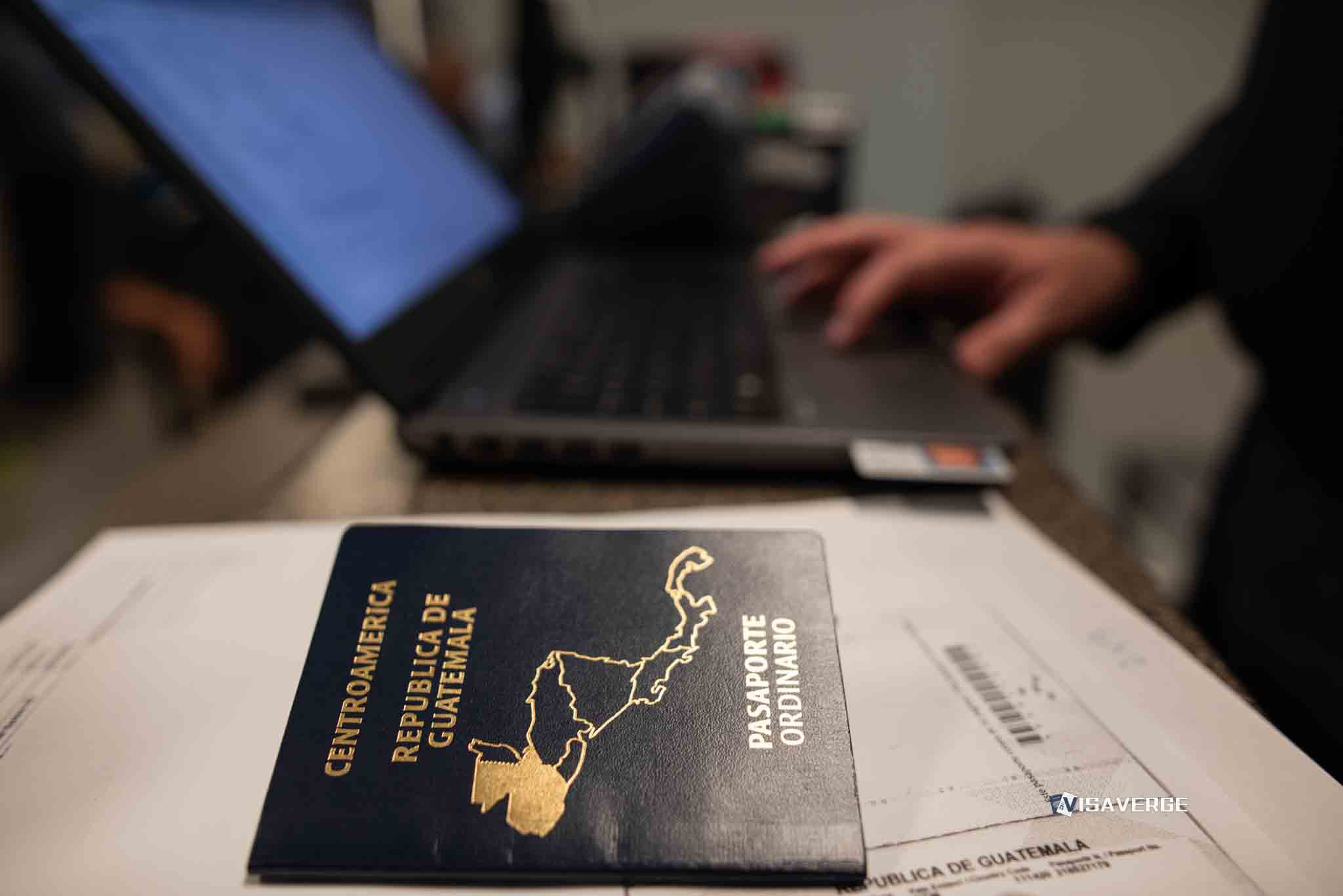
An Indian H-1B worker who flew back to the United States 🇺🇸 for the first time on a recently issued visa stamp says U.S. Customs and Border Protection officers cancelled his visa during secondary inspection at a U.S. airport, put him on a plane home the same day, and told him he faced a five-year ban on returning. That account has spread quickly among Indian professionals and other temporary workers who travel often while their U.S. jobs, families, and immigration plans depend on being let back in.
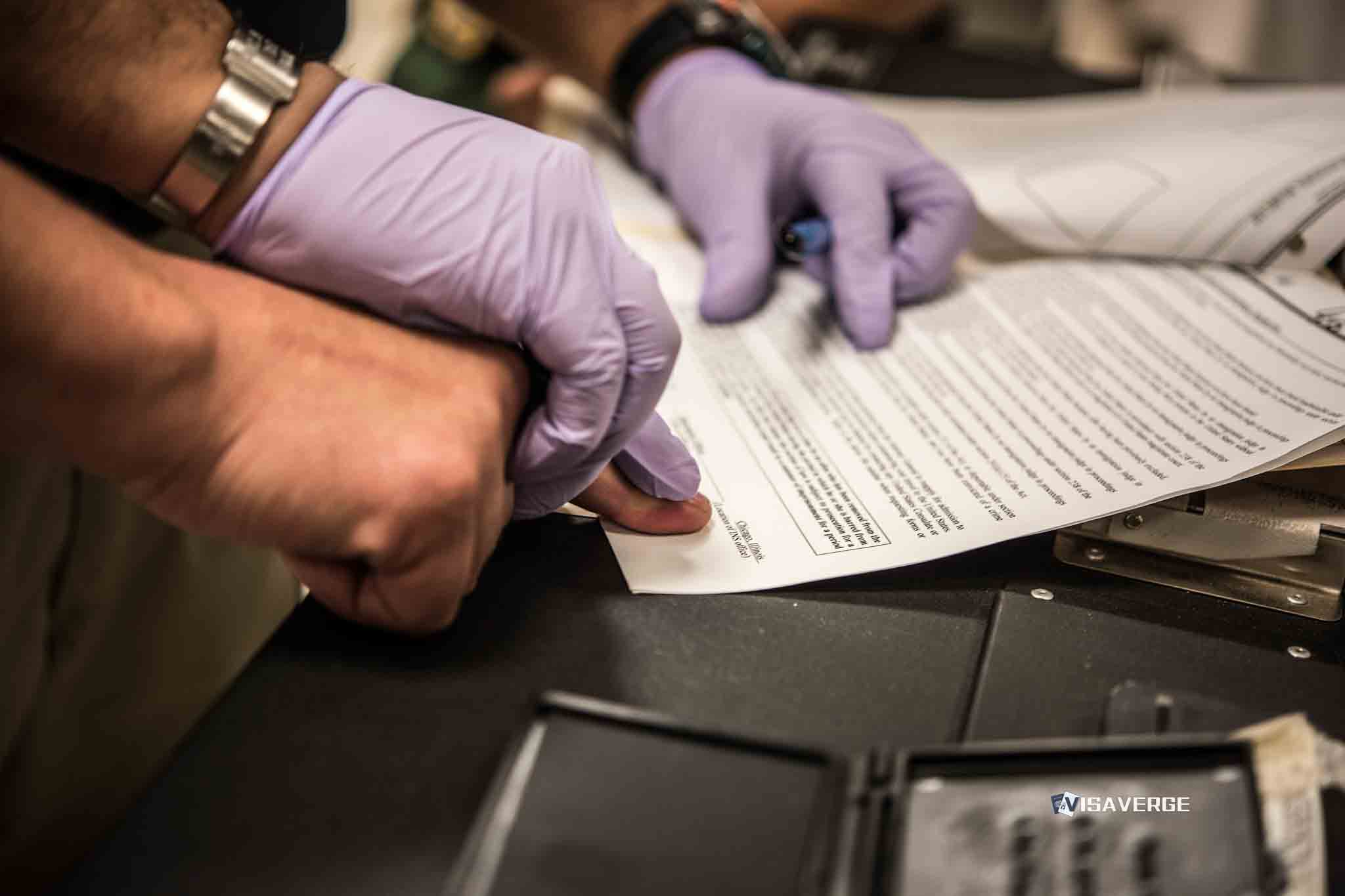
The reports say the man had a valid H-1B visa stamp issued in November 2024 and an employer-backed petition approved through November 2027, but was still pulled aside after landing and questioned for hours. The traveler says officers insisted some papers were missing even though he believed “all required papers were present,” and that CBP ultimately stamped his passport to show the visa had been cancelled.
He says he was not handed a written order, not given formal charging paperwork, and not provided any document spelling out why CBP took the action, despite being told verbally that a five-year entry bar applied.
How admission at the border works and why this matters
A visa stamp and an approved petition do not guarantee admission at the airport. At the port of entry, CBP officers decide whether a person can enter the United States. They can:
- Question travelers and review documents in secondary inspection.
- Test whether the traveler remains eligible under the rules of the visa classification.
- Refuse admission and cancel the visa used for travel if something does not line up.
In this reported incident, the concern centered on H-1B compliance — whether the worker’s actual job matched what the government approved.
| India | China | ROW | |
|---|---|---|---|
| EB-1 | Apr 01, 2023 ▲31d | Apr 01, 2023 ▲31d | Current |
| EB-2 | Jul 15, 2014 ▲303d | Sep 01, 2021 | Current |
| EB-3 | Nov 15, 2013 | Jun 15, 2021 ▲45d | Jun 01, 2024 ▲244d |
| F-1 | May 01, 2017 ▲174d | May 01, 2017 ▲174d | May 01, 2017 ▲174d |
| F-2A | Feb 01, 2024 | Feb 01, 2024 | Feb 01, 2024 |
Common CBP checks for H-1B travelers
CBP officers commonly verify several items when they examine H-1B travelers, including:
- Whether the traveler is working for the petitioning employer.
- Whether the traveler is performing the duties described in the petition.
- Whether the traveler is receiving the required wage.
- Whether the traveler is working at the locations listed in the Labor Condition Application (LCA).
Even small mismatches — such as a changed worksite, remote work from an unlisted location, or a shift in duties — can raise questions during secondary inspection. These interviews can last hours and the stakes can change quickly, especially for workers in staffing or third-party placement arrangements.
Why the “five-year ban” alarmed workers
The reported five-year bar alarmed many because:
- A bar of that length often points to CBP finding misrepresentation or a serious immigration violation, including actions under INA 212(a)(6)(C) (willful misrepresentation).
- Such a finding can affect future visa decisions beyond H-1B (tourist visas, student visas, L-1 transfers) and complicate long-term plans for permanent residence.
- In this case, the traveler says the bar was announced verbally and not backed by any written notice he could give to a lawyer or a consular officer, making it difficult to know what was recorded or how to challenge it.
Verbal notification of a ban makes it much harder to obtain records, challenge the decision, or determine the legal basis recorded in government systems.
Practical consequences for workers and employers
- A cancelled visa does not automatically terminate H-1B status for someone already inside the U.S., but it makes travel risky because the worker may not be able to return.
- Workers can become stranded outside the U.S., forced to miss family events or critical moments at home.
- Employers may face project disruption, client issues, and staffing changes even when the underlying petition remains valid on paper.
- The sharp discretion exercised at the port of entry is now a major risk point for high-skilled workers who otherwise follow the rules.
What CBP may request at the border
CBP officers may ask for:
- An updated employment verification letter
- Recent pay stubs
- Details of the end client site for consulting roles
- Job responsibilities and travel history
- Evidence that the worker has stayed within the terms of the visa
Those in consulting or third-party placements face higher scrutiny, because the difference between “assigned to a client” and “working at a listed address” can hinge on paperwork filed months earlier.
Policy context (2025–2026) and added uncertainty
The reporting places the incident against a broader policy backdrop that increased traveler uncertainty in 2025:
- The source material says the Trump administration cancelled approximately 85,000 visas across categories in 2025, including H-1B, which can create confusion at airports and before boarding.
- Airlines can receive automated updates from CBP and the State Department through Secure Flight systems, possibly leading to boarding denials and people stranded mid-trip.
A separate, high-impact policy mentioned:
- A Presidential Proclamation issued on September 19, 2025, taking effect September 21, 2025 at 12:01 a.m. EDT, which bans H-1B entry unless the employer pays a $100,000 fee per worker (with possible national-interest exceptions).
- The proclamation applies to people outside the United States and remains valid until September 21, 2026, unless extended.
- Litigation is expected.
Another proclamation noted:
- A June 4, 2025 proclamation, effective June 9, 2025, which suspended entry and visa issuance for nationals of 12 countries and limited entry for seven others. The source says India was not listed and pre-existing visas were not revoked by that move.
The mix of shifting travel rules and tighter checks has left many workers fearing that a short trip can turn into a forced exit with no clear path back.
Legal remedies and challenges
- Affected travelers may seek court action to obtain records, including mandamus-style cases to force agencies to act or produce information.
- Those legal steps can be slow, costly, and require strong factual records — and they do not restore immediate access to the U.S. while litigation proceeds.
- The lack of written documentation in this reported incident complicates any challenge, because it’s harder to know the exact grounds CBP recorded.
Practical takeaways and warnings
- Maintain close alignment between real work and the petition/LCA: employer, duties, wage, and worksites.
- Before travel, workers should consider carrying:
- A current employment verification letter
- Recent pay stubs
- Documentation of client assignments and worksite addresses
- Understand that admission is decided at the border and that CBP’s discretion at the port of entry can override a visa stamp or an approved petition.
The core warning: even with an approved H-1B petition and a valid visa stamp, port-of-entry inspection can result in refusal, visa cancellation, and long-term bars if CBP finds inconsistencies or violations.
Useful official resources
These pages outline the agencies’ framing: admission is decided at the border, and continued work authorization depends on staying inside the terms of the petition and related filings. They do not, however, prevent a difficult secondary inspection.
An Indian H-1B holder says CBP cancelled his visa during secondary inspection despite a valid November 2024 stamp and an approved petition through 2027, verbally imposing a five-year reentry ban and deporting him the same day without written notice. The case underscores that CBP can refuse admission for H-1B compliance issues, especially around employer, duties, wage, or worksite discrepancies. Travelers should carry updated employment letters, pay stubs, and client-site documentation and seek legal advice before travel.
Live Government Data
State Dept • CBPBusiest Border Crossings
- El Paso 65 min
- Brownsville 60 min
- Calexico 45 min