(INDIA) U.S. consular posts in India have begun canceling and rescheduling H-1B and H-4 visa interviews that were set for December 15, 2025, and later, pushing many appointments to March 2026 or beyond, after the State Department expanded a new Online Presence Review requirement that takes effect on December 15, 2025, according to reports from immigration law firms and applicant notices.
The expanded vetting requires applicants to make their social media accounts public so consular officers can review them, a step that adds time to each case and is already cutting daily interview capacity at Mission India posts, the firms said. Applicants have reported mass cancellations and new dates that land months later, with some rescheduled as far out as April–July 2026, turning what is often a predictable visa-stamping trip into an open-ended wait that can disrupt jobs, family plans, and business travel.
Who is most affected
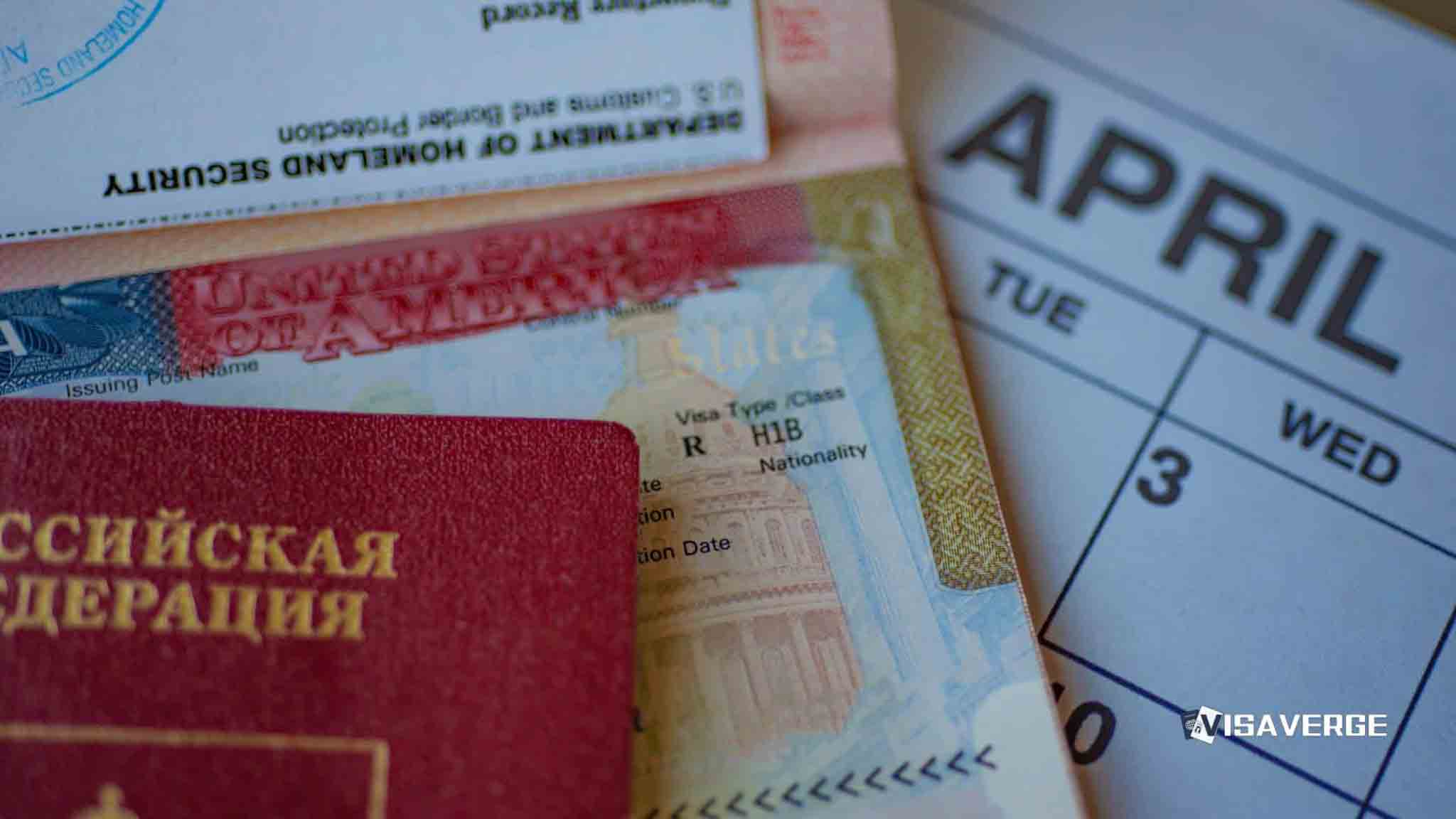
The change matters most to Indian nationals and their families who live and work in the United States 🇺🇸 on approved H-1B petitions but must travel to India for visa stamping to re-enter the country after a trip abroad.
- Many workers time travel around holiday breaks and project schedules, expecting quick return.
- Some now risk being stuck outside the United States for months because their interview slot has moved well into 2026.
- H-4 dependents (spouses and children) are also subject to the same screening expectations, potentially complicating family travel plans.
What the Online Presence Review requires
Under the Online Presence Review (expanded to H-1B and H-4 on December 15, 2025), applicants are expected to:
- Set social media accounts to public during the process so consular officers can review posts and profiles.
- Accept that this review can lengthen interview times and, in some cases, trigger extra background screening.
Because reviews take longer, consular sections that already operate with tight staffing and heavy demand are moving fewer people through each day.
Key point: The Online Presence Review adds an extra layer of screening that can delay both interviews and post-interview visa issuance.
Timeline and context
- The State Department introduced similar screening earlier in 2025 for F, M, and J visas.
- The December expansion is the first time H-1B and H-4 categories have been included.
- Law firms (including Morgan Lewis and Fragomen) reported the rescheduling pattern on December 11, 2025, describing a wave of cancellations for interviews dated December 15 and later.
How this interacts with other policy changes
- In September 2025, the State Department tightened third-country national processing, reducing the option of applying in other countries (e.g., Canada 🇨🇦 or Mexico 🇲🇽) when India slots are scarce.
- That limitation—sometimes called “forum shopping”—previously served as an escape valve for some applicants. With those routes limited, more applicants are funneled back to India, increasing pressure on local posts just as interviews are slowing.
Practical impacts on travel, work, and families
- Travel for weddings, emergencies, or work can collide with the reality that re-entry may depend on a new interview date months away.
- Employers face uncertainty in project staffing and client commitments, especially for roles requiring physical presence or security clearances.
- Families may face disrupted school schedules, housing leases, and the possibility of separation if principal and dependent cases move at different speeds.
Wait times and public data
Applicants have reported long waits—for example, Hyderabad was cited as showing 4–5 months of waiting for some visitor and work visa appointments. The State Department posts regular estimates on its official Visa Appointment Wait Times page.
- Lawyers recommend treating posted wait times as a baseline, not a promise, because sudden policy shifts (like the Online Presence Review) can reshape local capacity without much notice.
Practical guidance for affected applicants
Immigration firms warn applicants to act quickly when receiving updated notices because the system may treat missed appointments harshly even when the cancellation was the consulate’s decision.
Act quickly on updates: when a new interview date appears, download and accept it, verify your biometrics window remains valid, and keep your attorney or Employer copies of all notices for reference.
Suggested steps (based on reported firm guidance):
- Check email frequently for updated appointment notices.
- Retrieve the updated appointment letter and accept the revised interview date.
- Confirm that your Visa Application Center biometrics appointment remains valid—biometrics have been described as unchanged even when interview dates move.
- Monitor communications from your attorney or employer and keep copies of all notices.
Separation of USCIS and consular processes
Applicants should remember that the petition and visa steps are separate government actions:
- Employers file the H-1B petition with Form I-129, Petition for a Nonimmigrant Worker.
- Workers apply for a visa stamp at a U.S. consulate abroad if they need it to return.
Law firms emphasized that these changes are happening at consular posts and do not involve USCIS—meaning an approved petition cannot speed up a consular appointment.
Typical processing timelines (for context)
- USCIS regular processing for the underlying petition: 4–8 months, sometimes up to 12 months.
- USCIS premium processing: 15 business days.
- Department of Labor Labor Condition Application: can take up to 10 days.
- Post-interview visa issuance: typically weeks, but can stretch to 5 months in some cases due to additional security screening and workload.
The Online Presence Review can add further unpredictability if social media screening triggers extra checks.
Broader analysis and risk
According to VisaVerge.com analysis, the combination of:
- slower interviews,
- fewer third-country options,
- long local wait lists,
is turning routine visa stamping into a major travel risk for many H-1B workers. The risk is highest for people who must travel on short notice (medical emergencies, urgent employer demands), since they have the least flexibility to absorb a months-long delay.
Expect extended waits and potential multi-month gaps. Plan for possible travel disruptions, keep backup arrangements, and avoid nonessential trips until your visa appointment is confirmed.
Helpful resources and forms
- For the employer-filed H-1B petition, the main USCIS form is Form I-129: Form I-129.
Reminder: A valid petition approval notice does not replace a visa stamp for travel. Consular officers retain authority to screen, request additional information, and take extra time when needed.
Final takeaway
For now, the immediate reality for many India-based applicants is that calendars have shifted: interviews planned from mid-December 2025 onward are being pushed to spring 2026 or later, and the new Online Presence Review has made social media settings part of the visa-stamping checklist—directly affecting how many people U.S. posts can see each day.
U.S. consulates in India are rescheduling H-1B and H-4 interviews from December 15, 2025 onward after the State Department expanded an Online Presence Review. The new requirement asks applicants to make social media accounts public for consular review, slowing interview throughput and prompting mass cancellations. Many applicants now face appointments in March 2026 or later, with some pushed to April–July 2026. Law firms advise frequent monitoring of notices, accepting revised dates, confirming biometrics, and coordinating with employers and attorneys to mitigate disruptions.