- Unidentified gunmen attacked Diori Hamani International Airport in Niamey during a two-hour midnight firefight.
- Security forces utilized anti-aircraft fire and drones to repel the assault on the strategic military-civilian hub.
- The incident highlights heightened regional instability as the junta faces increasing jihadist threats and logistics disputes.
NIAMEY, NIGER — Residents in Niamey reported heavy gunfire and explosions near Diori Hamani International Airport overnight, with the shooting beginning shortly after midnight on January 29, 2026 and lasting about two hours before calm largely returned.
People living near the airport described an apparent attack that left uncertainty over who was responsible, as security forces fired back and emergency sirens sounded in the area. No further incidents were reported as of early Thursday morning.
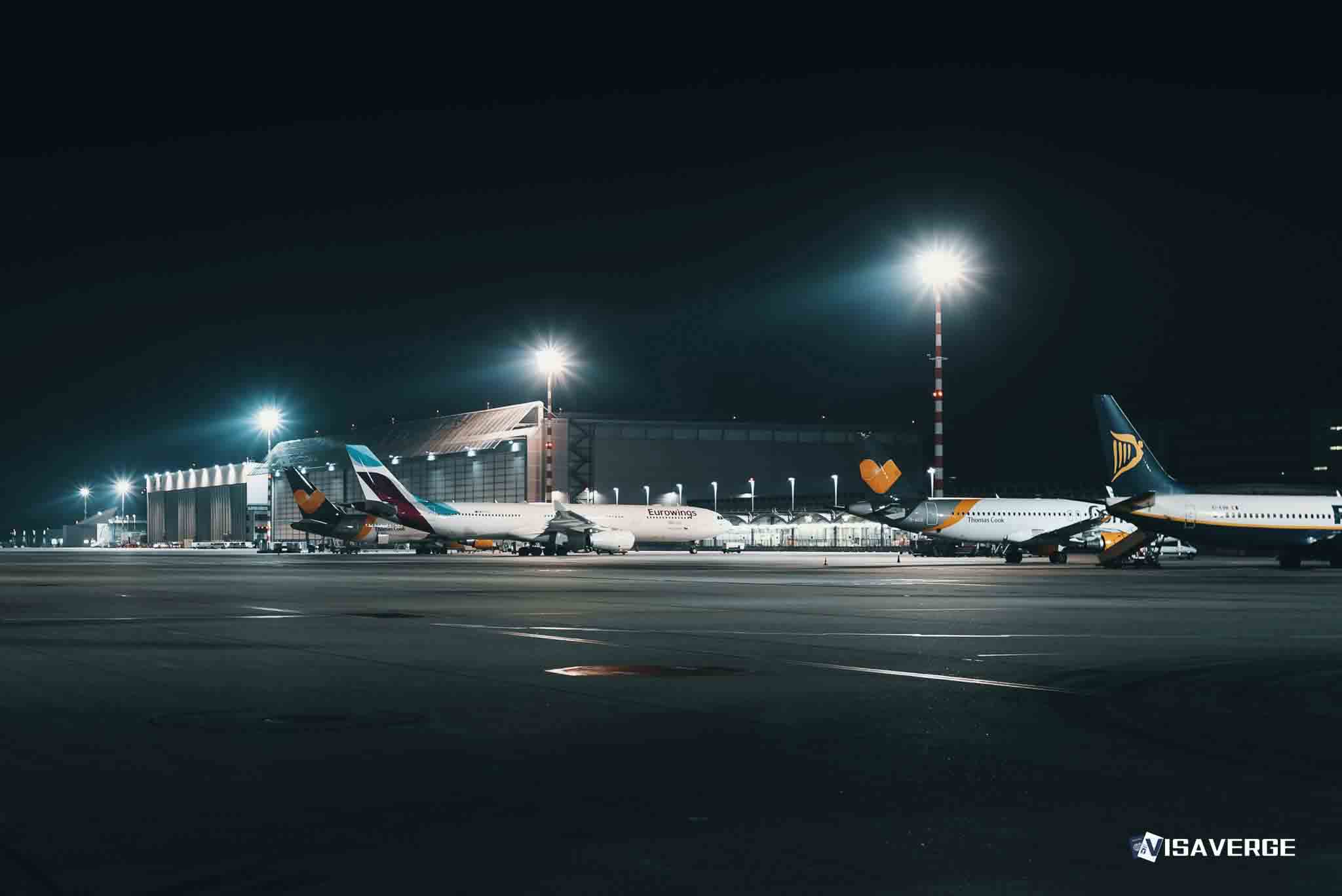
Accounts from residents pointed to an unidentified armed group attacking the airport’s guard post around midnight, with anti-aircraft tracers visible in the sky. Some residents said the tracers may have been fired to shoot down drones.
Videos shared by residents showed flames and damage in the vicinity, including charred cars and military trucks, alongside scenes suggesting active defense by security forces. Residents also reported hearing blasts close enough to shake nearby neighborhoods.
Diori Hamani International Airport sits 10 km from the presidential palace, a proximity that heightens sensitivity around any security incident there. The airport also doubles as Base 101 of the Nigerien Air Force, linking a civilian transport hub to a strategic military facility.
That dual role means a firefight near the airport can quickly spill into broader city security and aviation operations, residents and observers said, as roads, access points, and perimeter areas become part of the response. Even short disruptions can ripple through flight schedules, passenger movements, and ground services.
One anonymous resident said fire-truck sirens could be heard heading toward the airport complex during the incident window. The same resident claimed soldiers repelled the gunmen, after which the situation stabilized.
Security had been heightened beforehand due to official warnings of a possible terrorist attack, with suspicions pointing to JNIM (Group for the Support of Islam and Muslims). Authorities did not confirm any link to JNIM, and no group claimed responsibility in the information available.
Niger’s military junta under Abdourahamane Tiani, in power since the July 2023 coup, has not commented. Officials also had not confirmed any casualty figures or damage assessments by early Thursday morning.
The airport’s strategic profile has shifted in recent years as Base 101’s external partnerships and mission sets evolved. The base was previously used by US drones until July 2024, and it now hosts Turkish drones and Russian soldiers supporting the junta.
Base 101 also hosts headquarters for the Alliance of Sahel States (AES) joint force with Burkina Faso and Mali, with 5,000 personnel planned. That co-location of civil aviation facilities with military assets can increase disruption risk for passengers whenever security incidents erupt near the perimeter.
Residents said the overnight incident caused flight disruptions and panic among passengers, with uncertainty spreading as the sound of gunfire and explosions carried across nearby districts. Such responses can force airports to temporarily restrict access, change check-in procedures, or delay departures while security forces assess threats and clear key routes.
The airport complex also sits at the center of a politically sensitive logistics dispute involving uranium exports. It stores 1,000 tons of uranium oxide (“yellowcake”) from Orano’s Arlit mine, which the junta seized in a dispute, and a shipment since late November remains stranded amid failed export plans to Togo via jihadist areas.
The presence of high-value commodities and contested custody can amplify security tensions around key infrastructure, especially when storage and transport become entangled with broader security threats on main routes. Officials did not link the overnight incident to the uranium dispute.
The violence also came against a backdrop of elevated insecurity across Niger, where jihadist violence in 2025 killed nearly 2,000 people, according to ACLED data. Regional instability in the Sahel has repeatedly shaped threats to major transport nodes, including airports that combine passenger traffic with military operations.
Online activist Ibrahim Bana urged street defense of the nation, adding to a stream of public commentary that has accompanied Niger’s security deterioration and political upheaval. The overnight incident near Niamey’s main airport underscored how quickly warnings of possible attacks can translate into sudden disruptions, even at heavily guarded sites.
By early Thursday morning, authorities had not released confirmed casualty figures, a damage assessment, or operational details about the extent of any disruption at Diori Hamani International Airport. Residents and travelers awaited updates that could affect airport operations, security advisories, and any investigation into the attackers’ identity and aims.
Live Government Data
State Dept • CBPBusiest Border Crossings
- San Ysidro 180 min
- Calexico 130 min
- Otay Mesa 100 min