Key Takeaways
- USCIS warns about increasing fraud targeting applicants of the Diversity Immigrant Visa Program, exploiting hopeful immigrants’ aspirations.
- Fraud schemes include false promises, fake notifications, fees, identity theft, and unethical visa agents in various countries.
- Combating fraud involves public education, official website verification, no emails for winners, and international cooperation.
The U.S. Citizenship and Immigration Services (USCIS) recently released a crucial warning concerning fraudulent activities preying on hopeful applicants of the Diversity Immigrant Visa Program, also known as the “Green Card Lottery.” This warning comes against the backdrop of an increase in fraudulent schemes taking advantage of the aspirations of prospective immigrants, reinforcing the need to address these threats head-on.
Overview of the Diversity Visa Program
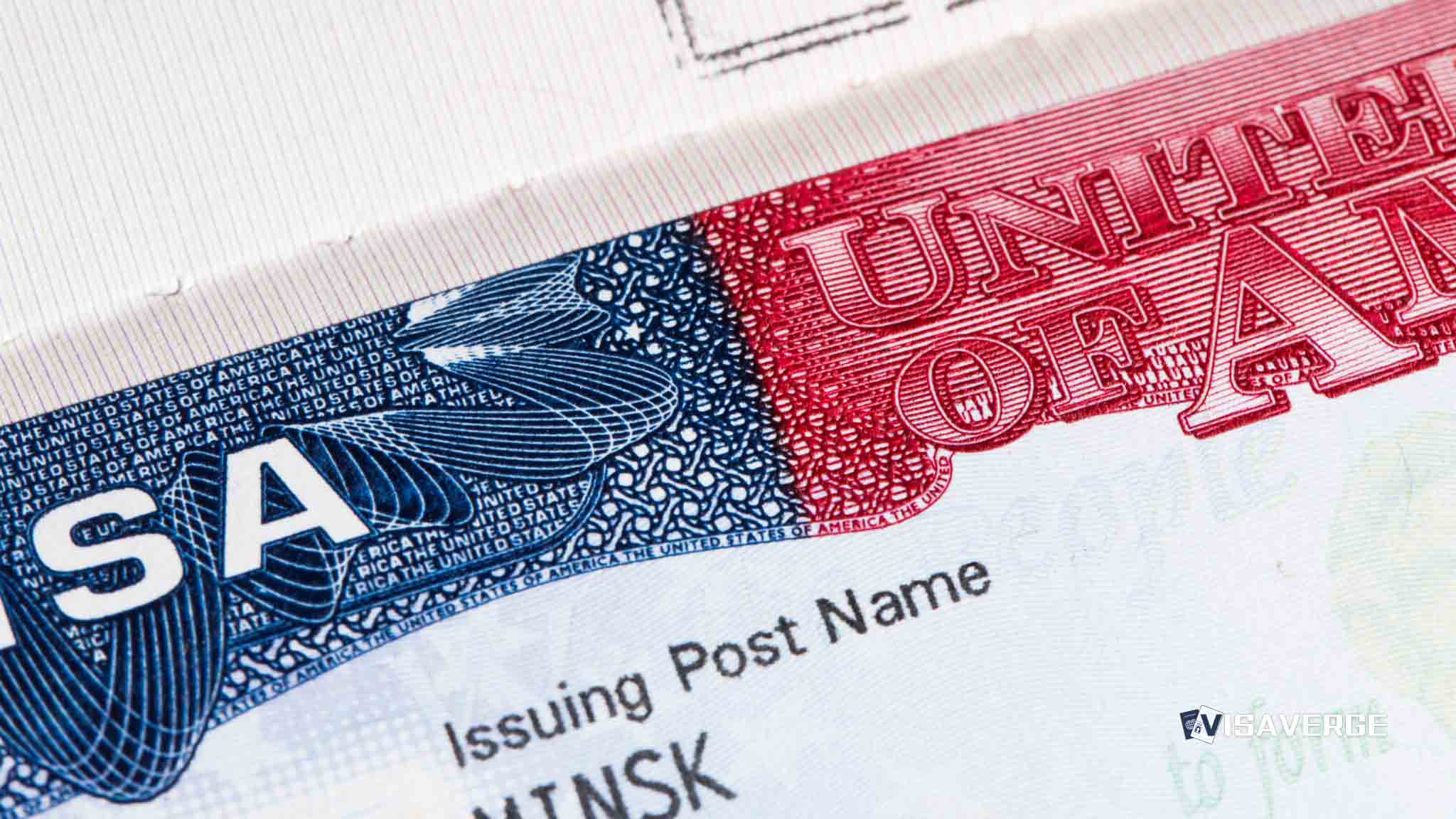
The Diversity Immigrant Visa Program, under the auspices of the U.S. Department of State, is designed to diversify the United States’ immigrant population by providing an opportunity for individuals from regions with historically low rates of U.S. immigration to obtain permanent residency. Annually, up to 50,000 visas are allocated through this program, establishing it as a legitimate and significant pathway for immigrants seeking a new life in the United States ??.
Unveiling the Fraudulent Schemes
Fraudsters have devised various methods to deceive applicants of the Diversity Visa Program, exploiting their lack of familiarity with the system. These schemes typically involve:
Free toolCSPA Age-Out Calculator Online- False Promises: Fraudsters assure applicants that they can enhance their chances of winning, despite the selection process being entirely random.
-
Fake Notifications: Scammers disseminate fraudulent emails or letters claiming that the recipient has won the lottery when, in fact, the individual may not have even participated.
-
Upfront Fees: Many scams involve demanding payments for ‘processing applications’ or ‘securing spots’ in the program, exploiting the unassuming nature of applicants.
-
Identity Theft: Some fraudsters pose as government officials to illegally acquire personal information.
-
Visa Agent Exploitation: In countries such as Bangladesh ??, Ethiopia ??, and Nigeria ??, unethical visa agents have even intercepted official correspondence to extort significant sums from applicants.
The Extent and Implications of Fraud
The scope of scams related to the Diversity Visa Program is notably wide. As early as 2007, the Government Accountability Office had flagged the program for being vulnerable to widespread fraud, especially in countries like Bangladesh, Ethiopia, Ghana ??, Nepal ??, Nigeria, and Ukraine ??. The gravity of this issue can also be traced back to a 1996 State Department record indicating alarming visa refusal rates due to fraud: Nigeria at 80%, Ghana at 62%, Bangladesh at 44%, and Ethiopia at 38%.
High corruption levels in some nations exacerbate this issue. Bangladesh and Nigeria are persistently ranked among the world’s most corrupt countries, contributing significantly to the number of lottery winners. This global dimension highlights the complexity and challenges associated with combating these fraudulent operations.
Government and USCIS Combative Measures
Efforts have been galvanized by USCIS and other governmental bodies to curb these fraudulent activities with a variety of strategies:
- Public Education: USCIS issues consistent warnings and educational material, crafted to arm prospective applicants against scams.
-
Official Channels: Transparency is ensured as applicants are reminded that results can only be verified on the official website dvprogram.state.gov.
-
No Advance Notifications: The agency emphasizes that communication with winners never occurs via email or postal service.
-
Reporting Mechanisms: Public reporting of suspected fraud is encouraged, involving bodies like the Federal Trade Commission.
-
International Cooperation: U.S. embassies globally participate in raising awareness about these scams amongst local populations.
Far-reaching Consequences
The prevalence of such fraudulent schemes has significant repercussions, spanning administrative, security, economic, and trust domains:
- Administrative Burden: These scams add to the workload of agencies already dealing with millions of entries, complicating verification processes for legitimate winners.
-
Security Concerns: The existing vulnerabilities have the potential to be exploited by those with malicious intents, including terroristic threats.
-
Economic Impact: Victims facing these scams often lose substantial funds, impacting not only individuals but potentially having a ripple effect on their home economies.
-
Public Trust: Fraud on this scale jeopardizes the integrity and public perception of the immigration system at large, necessitating a restoration of confidence.
Diverse Expert Opinions
The conundrum of fraudulent practices under the Diversity Visa Program has spurred varied opinions among experts and policymakers. Some advocate for reinforcing security measures and adjusting resources toward fraud detection. Others, however, consider reforming or even abolishing the Diversity Visa Program due to its susceptibility to fraud and concomitant security risks. The consensus among many underscores the imperative of fostering international alliances to counteract transnational fraud networks.
Conclusion and Future Trajectory
The fraudulent activities surrounding the Diversity Visa Program represent a daunting challenge interlinking immigration policy, international criminal activity, and cybersecurity. With scammers constantly refining their tactics, the onus is on USCIS and allied agencies to remain vigilant and adaptable, maintaining the integrity of the immigration system and safeguarding legitimate applicants’ interests. Engaging in this endeavor demands a multifaceted strategy that boosts security measures, amplifies public education, encourages international cooperation, and potentially reassesses the program’s framework.
As reported by VisaVerge.com, overcoming this complex issue is paramount as global migration dynamics continue to advance, placing a spotlight on the necessity for equitable and secure immigration protocols like the Diversity Visa Program. Such challenges must be surmounted by comprehensive strategies and coherent policies to ensure fairness and protection for all stakeholders involved in the journey towards American residency.
Learn Today
Glossary
- Diversity Immigrant Visa Program
A U.S. initiative offering up to 50,000 visas annually to individuals from regions with low U.S. immigration rates. - Fraudulent Scheme
Tactics used to deceive individuals into parting with money or personal information under false pretenses, often exploiting their aspirations. - Government Accountability Office (GAO)
An independent, nonpartisan agency providing auditing and evaluation services for the United States Congress, often highlighting system vulnerabilities. - Identity Theft
The illegal acquisition and use of someone’s personal information, typically for financial gain or deceptive activities. - International Cooperation
Collaborative efforts between countries, often through embassies and agencies, to address and mitigate cross-border issues such as fraud.
This Article in a Nutshell
Beware of Diversity Visa scams! Fraudsters exploit hopeful applicants by misleading them with fake success alerts and demand upfront fees, promising higher chances in the green card lottery. Remember, selections are random and only confirmed on the official website. Stay informed, protect your personal data, and report fraudulent activities.
— By VisaVerge.com
Read more: