(MINNEAPOLIS) — Senator Ruben Gallego and congressional Democrats kept the Department of Homeland Security without new funding on February 28, 2026, insisting the agency accept new “guardrails” on ICE and CBP operations before any deal moves forward.
Gallego, a Democrat from Arizona, said the standoff has become both an immigration-enforcement fight and a government-operations fight, with lawmakers pressing for ICE reforms while warning of immediate disruption across DHS.
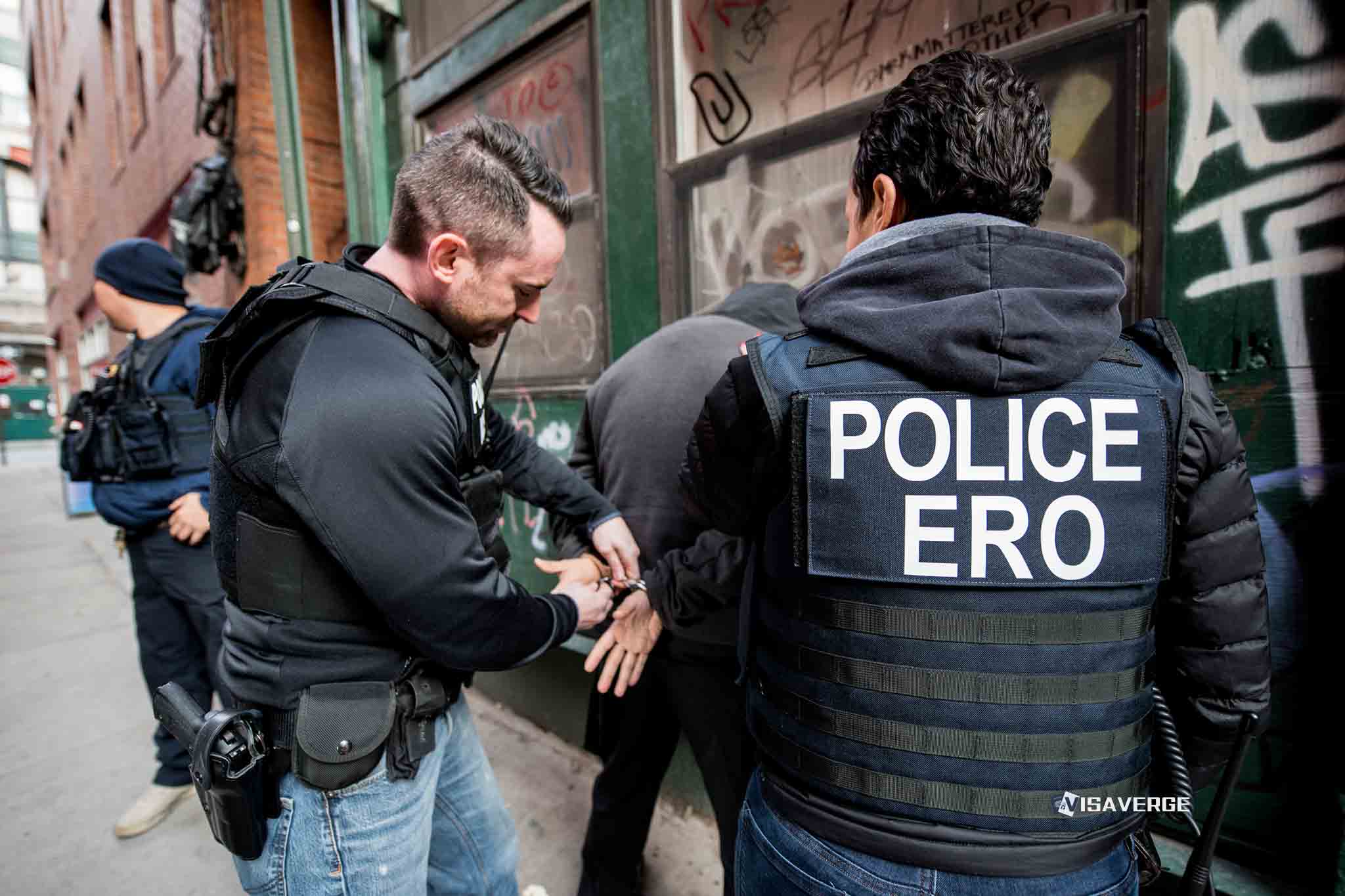
“We, of course, want DHS, TSA, FEMA to be funded. But funding an agency that is already funded at $175 billion—more than the Marine Corps—that killed two American citizens. We need to have guardrails, and we’re not getting them right now,” Gallego said on February 27, 2026.
Democrats’ demands focus on how agents identify themselves, when they can enter homes or workplaces, and how surge operations are launched, while the funding lapse threatens paychecks and services across DHS components.
At the center of the impasse sits Minneapolis, where two fatal shootings during and around “Operation Metro Surge” intensified scrutiny of enforcement tactics and sparked protests that local and federal officials describe in sharply different terms.
Renee Nicole Good died on January 7, 2026, when an ICE agent fatally shot her during a large-scale enforcement action, a death that drew immediate public response and questions about how the operation was conducted.
Alex Pretti, an ICU nurse, died on January 24, 2026, when Border Patrol agents fatally shot him during a protest, deepening calls for tighter oversight as demonstrations expanded.
Gallego and allies cite those two deaths as evidence of what he described as a “culture of lawlessness” within the agency, and they have tied that claim directly to the funding negotiations.
DHS leaders, by contrast, have defended the enforcement tactics and framed the funding fight as a national security issue, arguing that operations target serious offenders and respond to threats against law enforcement.
Homeland Security Secretary Kristi Noem addressed the Minneapolis shooting at a January 24, 2026 news conference carried by C-SPAN. “This looks like a situation where an individual arrived at the scene to inflict maximum damage on individuals and to kill law enforcement. Our officers were there doing a targeted operation against an individual who was in this country illegally,” Noem said, calling the victim’s actions “the definition of domestic terrorism,” according to the C-SPAN event page.
Border Czar Tom Homan announced a drawdown of Operation Metro Surge in Minnesota on February 12, 2026, saying, “The surge is leaving Minnesota safer. I’ll say it again, it’s less of a sanctuary state for criminals.” Homan reported over 4,000 arrests during the operation, according to a White House statement on a “new milestone,” posted in the White House Briefing Room.
DHS Assistant Secretary Tricia McLaughlin defended the enforcement surge on February 4, 2026, saying, “Despite coordinated attacks of violence against our law enforcement, our officers have made more than 4,000 arrests of illegal aliens including murderers, pedophiles, rapists, gang members, and terrorists,” according to a DHS posting on the DHS Newsroom site.
Those statements sharpen the contrast with lawmakers’ proposed conditions, which aim to limit how enforcement teams operate on the street and to expand oversight through mandates, restrictions, and reporting requirements.
Gallego and the Democratic caucus have outlined a 10-item list of “guardrails” required to restore DHS funding, including a body camera mandate that would require all ICE and CBP agents to wear and activate body cameras during operations.
The list also includes a mask ban that would prohibit federal agents from wearing face masks or gaiters during arrests, a step Democrats describe as necessary so the public can identify officers.
Another demand calls for warrant requirements that would end warrantless searches and require judicial warrants for residential and workplace entries, a change that would shift how teams plan arrests and conduct entries.
Democrats also want an end to roving patrols, seeking to stop the practice of “roving patrols” where agents pull over vehicles or stop pedestrians without specific, individualized suspicion.
The guardrails would also codify “sensitive locations” protections by imposing strict bans on enforcement at schools, hospitals, churches, and courthouses, which would reshape where agents can conduct actions during routine operations.
Lawmakers further want local coordination requirements that would require the consent of state and local authorities before launching large-scale surge operations like Operation Metro Surge, moving decisions about deployment and timing into a more formal approval process.
The funding standoff comes as DHS officials and lawmakers argue over how money already appropriated affects day-to-day operations, and which parts of the department can keep going even if other accounts run dry.
ICE and CBP remain operational because they are “flush with cash” from the 2025 “One Big Beautiful Bill Act,” which appropriated nearly $190 billion for enforcement, according to the information circulated by Gallego and other Democrats.
Other DHS components face the immediate pressures of a funding lapse, including TSA, FEMA, the Coast Guard, and CISA, creating an uneven picture in which immigration enforcement continues while other public-facing services strain.
TSA workers are expected to miss their first full paychecks in the coming days, a disruption that can ripple through staffing plans and airport operations even when screeners remain on the job.
A lapse can also hit contractors and support functions that agencies treat as non-essential, slowing purchases, training, travel, and administrative work that often underpins frontline operations.
In Minneapolis, city leaders tied the enforcement surge to a $203.1 million economic impact in just one month, describing a local shock that they said spread beyond those directly affected by arrests.
Officials and advocates cited disrupted small businesses, school attendance drops, and community-wide trauma as the surge unfolded, framing the local fallout as part of the reason Congress should condition DHS funding on tighter guardrails.
The economic claim adds a local dimension to a national DHS funding dispute, linking federal enforcement tactics to day-to-day conditions in neighborhoods that saw protests, heightened law enforcement presence, and fear about further actions.
The funding lapse also reaches immigration-facing services beyond enforcement, affecting programs that travelers and immigrants interact with directly and that can shape plans for weeks or months.
Non-essential services such as Global Entry processing have been suspended due to the funding lapse, according to the same account of the operational impacts.
Certain USCIS outreach programs have also been suspended, a change that can reduce access to information and slow non-emergency engagement with communities even when other functions continue.
The practical effect for the public can include longer waits for interviews and delayed processing steps that depend on staffing, appointments, and back-office support, especially when agencies reassign limited personnel to essential work.
As the deadlock persisted on February 28, 2026, both sides continued to frame the same set of events as either evidence of a need for oversight or proof that aggressive enforcement protects officers and the public.
Gallego and other Democrats have made clear they want DHS funding, but only with conditions that constrain operations and expand accountability mechanisms, calling the guardrails the price of any agreement.
DHS leadership and the administration have instead highlighted arrests and threats to officers, insisting that the enforcement posture responds to serious criminal activity and violence directed at law enforcement.
Readers tracking developments can find operational announcements and spokesperson statements on the DHS Newsroom, broader administration messaging and funding-talk updates in the White House Briefing Room, and Gallego’s negotiating posture in his press releases.
Gallego Demands Guardrails as He Doubles Down on DHS Funding Fight
Senator Ruben Gallego and Democrats are withholding DHS funding, insisting on ten specific ‘guardrails’ to reform ICE and CBP. Triggered by two deaths in Minneapolis, these demands include body cameras and warrant requirements. While DHS highlights 4,000 arrests as a success for national security, lawmakers cite a ‘culture of lawlessness.’ The impasse leaves agencies like TSA without new funds while immigration enforcement continues using existing reserves.