(DUBAI, UNITED ARAB EMIRATES) FlyDubai’s decision to order 150 Airbus A321neo jets at the Dubai Airshow is reshaping the Gulf carrier’s growth plans and could have wide effects on travel, tourism, and work migration across the region. Announced on 18 November 2025 in Dubai, the Memorandum of Understanding with Airbus marks the first time the low‑cost airline has stepped beyond its all‑Boeing roots, in a deal worth about $24 billion and options for 100 more aircraft.
What the order means for FlyDubai’s fleet and network
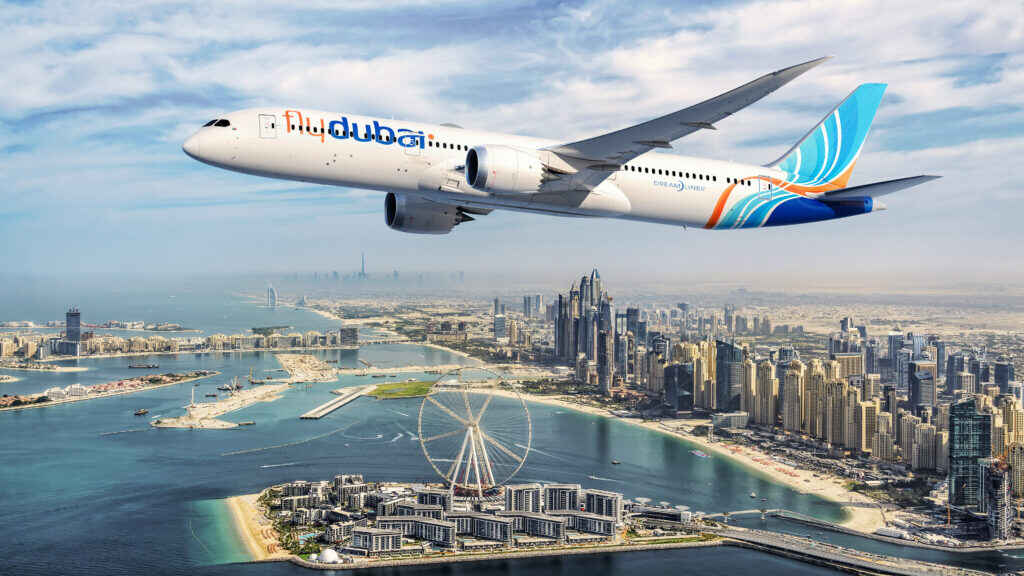
For an airline that has relied solely on the Boeing 737 family since flights began in 2009, the Airbus move signals more than a fleet shuffle; it points to a broader plan to reach new cities, fill more seats, and feed Dubai’s long‑term goal of turning Dubai World Central into the world’s largest airport.
The Airbus A321neo is a single‑aisle jet similar in size and role to the Boeing 737 Max aircraft FlyDubai already flies, but it offers extra range and fuel savings. Those attributes can open longer routes from the United Arab Emirates to Eastern Europe, Africa, and parts of Asia that were harder to serve profitably with older planes.
More routes almost always mean more people crossing borders to visit family, take jobs, or settle for longer periods. Airlines sitting at the center of busy hubs like Dubai often work closely with governments on visa policy, entry rules, and airport planning.
Timing and fleet mix implications
The timing of the Airbus deal is telling. It came just one day after FlyDubai signed another Memorandum of Understanding for 75 Boeing 737 Max aircraft, underlining that the airline is not turning away from Boeing but is instead building a mixed fleet that more than doubles its current count of 96 Boeing 737 jets.
In practical terms, such growth changes how many workers, students, and tourists can move in and out of the country each year. It also places added pressure on visa systems already stretched in some popular markets.
Order summary (as announced)
| Manufacturer | Model | Firm orders | Options | Approx. value |
|---|---|---|---|---|
| Airbus | A321neo | 150 | 100 | $24 billion (approx.) |
| Boeing | 737 Max | 75 | — | Announced separately |
Impact on visas, migration, and consular services
According to analysis by VisaVerge.com, Gulf carriers often plan capacity increases in step with changes in work visa quotas and tourism campaigns, especially as governments look to attract skilled professionals and remote workers.
For the United Arab Emirates, where federal authorities already offer a wide set of entry permits — from short‑term visit visas to longer‑term employment and Golden Visas — steady air growth is closely tied to federal policy decisions.
Official information on visa options and conditions is set out on the UAE government’s portal for visas and entry permits, which explains who can enter, for how long, and under what conditions for work or residence, at UAE Visa and Entry.
Immigration lawyers in Dubai say they expect continued demand for short‑term visit visas from workers who use low‑cost carriers to shuttle between jobs in the Gulf and home countries such as India, Pakistan, Egypt, and emerging African markets. More seats usually mean lower fares on some routes, making it easier for families separated by work contracts to meet more often, even if visa rules remain strict.
Airport planning and border control implications
The scale of the Airbus deal also locks in FlyDubai’s future role at Dubai World Central, the second airport in the city that leaders want to turn into the main hub for both FlyDubai and Emirates in the coming decades.
As new terminals, runways, and immigration halls are built there, planners will have to size customs and passport control to match the mix of new Boeing 737 Max and Airbus A321neo aircraft arriving every hour. That means decisions on:
- Staffing border posts and immigration counters
- Setting up or expanding e‑gates
- Rolling out biometric checks and related technology
These planning choices will need to account for a higher number of single‑aisle jets bringing in both residents and visitors.
Commercial and operational benefits
Industry analysts say FlyDubai’s decision to split its future fleet between Boeing and Airbus may give the airline more bargaining power on delivery dates and support. After supply chain problems and safety concerns affected Boeing in recent years, the ability to rely on multiple manufacturers can:
- Improve the likelihood of timely deliveries
- Make it easier to open new routes on schedule
- Allow airlines to give advance notice to passengers and consular posts that may see more visa applications from travelers to newly launched destinations
Wider social and economic effects
For many low‑income workers in Asia and Africa, air travel is tightly linked to work permits and sponsorship systems, and airlines like FlyDubai often act as the bridge between a job offer and first entry into the Gulf.
While the Airbus announcement itself does not change visa rules, it signals that the UAE expects steady inflows of visitors and migrant workers, and is planning airport capacity accordingly. The size of the order — 150 firm Airbus A321neo jets and options for 100 more — also suggests long‑term confidence that demand for travel to and from Dubai will keep rising well into the 2030s.
Key takeaway: The order signals both an operational shift for FlyDubai and broader downstream effects on route connectivity, visa demand, airport infrastructure, and labor mobility across the Gulf.
What travelers and migrants can expect
For travelers and migrants looking at how this might shape their choices over the next decade, the FlyDubai expansion could mean:
- More destination options, as longer‑range A321neo aircraft allow FlyDubai to reach smaller or more distant cities that today require multiple connections.
- Greater seat capacity, which can ease pressure on busy routes popular with expatriate workers and students, sometimes helping keep fares in check.
- Closer links between air planning and visa policy, as officials look at data on new routes, load factors, and passenger profiles when they review entry rules and labor market needs.
Next steps and uncertainties
For now, the Airbus aircraft remain part of a Memorandum of Understanding rather than a final purchase agreement. Both sides signaled at the Dubai Airshow that they expect to firm up the order after talks on delivery slots and support.
Until contracts are finalized and delivery schedules confirmed, the timing and exact operational rollout of the new aircraft remain subject to negotiation and external factors such as supply chain constraints and regulatory approvals.
At the Dubai Airshow FlyDubai signed a MoU to buy 150 Airbus A321neo jets (options for 100), worth about $24 billion, marking its first Airbus order. The deal complements a separate 75 Boeing 737 Max MoU, creating a mixed fleet. A321neos offer greater range and fuel savings, enabling new routes to Eastern Europe, Africa and Asia. The expansion will affect visa demand, airport capacity at Dubai World Central, and regional labor mobility.